
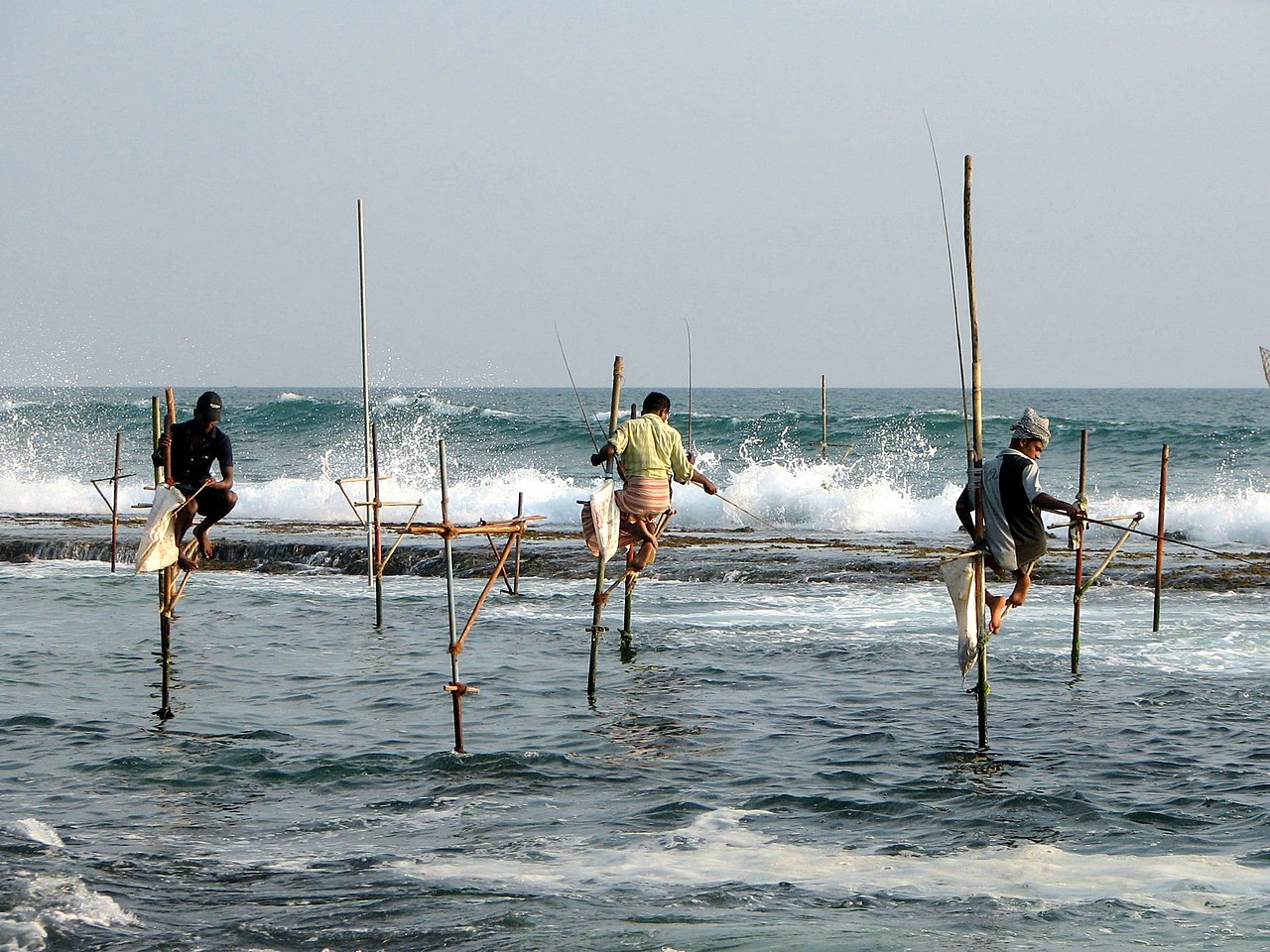
Seafood feeds over 3 billion people worldwide and provides the primary source of animal protein for over 1 billion. Yet the geography of marine productivity is extremely uneven: the vast majority of fish are caught in a few geographically concentrated zones where ocean currents, nutrients, and continental shelves align to create underwater oases of life.
Introduction
Global seafood production, including wild capture and aquaculture, exceeds 180 million tonnes per year. China alone accounts for about one-third of global production, and the industry supports the livelihoods of over 600 million people when processing and distribution are included.

Origins & History
- Earliest Fishing: 100,000+ years ago, coastal Africa
- Industrial Fishing: Steam trawlers, late 1800s
- Peak Wild Catch: ~1996, approximately 86 million tonnes
Humans have harvested seafood since prehistoric times, with evidence of fishing hooks, nets, and fish bones at archaeological sites over 100,000 years old. Coastal fishing communities developed sophisticated knowledge of tides, seasons, and fish behavior that was passed down through generations.
Industrial fishing transformed the oceans in the late 19th and 20th centuries. Steam-powered and then diesel trawlers, sonar fish-finding technology, and factory ships capable of processing catches at sea allowed fishing fleets to exploit previously inaccessible grounds, leading to dramatic stock declines.
Growing Regions
- Top Producer: China (total seafood, wild + aquaculture)
- Richest Fishing Ground: Northwest Pacific (Japan, Russia, China coast)
- Top Upwelling Zone: Humboldt Current, off Peru/Chile
The world's most productive fishing grounds are the Northwest Pacific (off Japan, Korea, Russia, and China), the Northeast Atlantic (North Sea, Norwegian Sea), the Southeast Pacific (Humboldt Current off Peru and Chile), and the Northeast Pacific (Alaska). These areas feature cold, nutrient-rich waters driven by upwelling currents and broad continental shelves.
The Humboldt Current off the west coast of South America is the most productive marine ecosystem on Earth by biomass. Cold, nutrient-rich water rises from the deep ocean, fueling enormous blooms of phytoplankton that support vast schools of anchoveta. Peru's anchovy fishery is the world's largest single-species fishery.
Climate & Conditions
- Upwelling Zones: Cold deep water rises to surface, bringing nutrients
- Continental Shelves: Shallow waters support diverse ecosystems
- Temperature: Cold and temperate waters generally more productive
- El Nino: Disrupts Humboldt Current, devastating Peruvian fisheries
Ocean productivity is driven by nutrient availability, which is highest where cold, deep water rises to the sunlit surface in a process called upwelling. The major upwelling zones along the western coasts of continents, including Peru, California, Canary, and Benguela currents, support disproportionately large fisheries.
Continental shelves, the shallow submarine extensions of continents, provide the habitat diversity, light penetration, and nutrient cycling that support most commercial fish species. Though they cover only about 8% of the ocean surface, continental shelves yield over 90% of the world's marine catch.
Global Trade & Economics
- Global Production: 180+ million tonnes (wild + aquaculture)
- Aquaculture Share: ~50% and growing rapidly
- Trade Value: $164 billion in international trade
Aquaculture has been the fastest-growing food production sector for decades, now providing roughly half of all seafood consumed. China dominates aquaculture with about 60% of global production, farming shrimp, tilapia, carp, and seaweed in coastal and inland waters.
Seafood is one of the most traded food commodities, with over $164 billion crossing international borders annually. Salmon, shrimp, and tuna are the most valuable traded species. Developing countries are major exporters, while the US, EU, and Japan are the largest importers.
Cultural Impact
- Overfishing: 33% of fish stocks overfished globally
- Cultural Traditions: Sushi, ceviche, fish and chips, bouillabaisse
- Food Security: Primary protein for 1 billion people
Overfishing is one of the most pressing geographic issues in food production. The UN FAO estimates that about one-third of global fish stocks are fished at biologically unsustainable levels. Stocks of large predatory fish like bluefin tuna, swordfish, and sharks have declined by 90% since industrial fishing began.
Seafood cultures are deeply tied to geography. Japan's sushi tradition reflects its island geography and cold ocean currents that support tuna and salmon. Peru's ceviche celebrates the bounty of the Humboldt Current. Norway's relationship with cod and herring has shaped its economy and identity for centuries.
Key Facts
- Continental shelves cover only 8% of the ocean but provide over 90% of the global marine catch.
- Aquaculture now provides roughly half of all seafood consumed worldwide.
- China accounts for about one-third of global seafood production (wild and farmed combined).
- About one-third of the world's fish stocks are overfished at biologically unsustainable levels.
- The Humboldt Current off Peru is the most productive marine ecosystem on Earth by biomass.
Fun Facts
- A single bluefin tuna sold for $3.1 million at Tokyo's Tsukiji Fish Market in 2019.
- The world's largest fishing vessel can process 250 tonnes of fish per day.
- Anchoveta from Peru's Humboldt Current is the most caught single species of fish in the world.
- Fish farming (aquaculture) dates back to at least 3500 BCE in ancient China.
Final Thoughts
The geography of seafood reveals an ocean of inequality: a handful of nutrient-rich zones produce the vast majority of the world's catch, while overfishing threatens the sustainability of this vital protein source. As aquaculture expands to meet growing demand, the geographic and environmental map of seafood is being rapidly rewritten.
Test Your Knowledge!
Think you know your food geography? Try our interactive quiz!
Play Geography Games →