
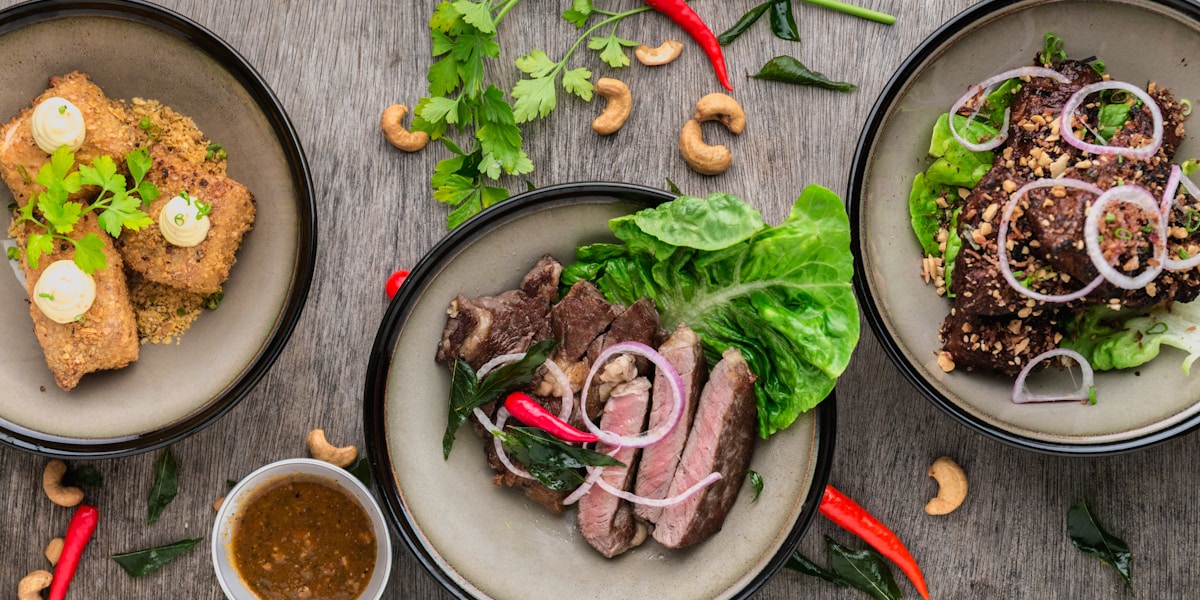
Spices are among the most geographically significant commodities in human history. The desire for pepper, cinnamon, cloves, and nutmeg drove the Age of Exploration, established colonial empires, and created global trade networks that reshaped the world's political and economic geography.
Introduction
Most of the world's major spices originate in tropical Asia, particularly India, Sri Lanka, and the islands of Southeast Asia. This geographic concentration gave these regions enormous strategic importance for centuries and made the spice trade one of the earliest forms of globalization.

Origins & History
- Earliest Spice Trade: 3000 BCE, Arabian and Indian routes
- Spice Islands: Maluku Islands (Moluccas), Indonesia
- Age of Exploration: Columbus, da Gama, and Magellan sought spice routes
The spice trade is one of the oldest forms of long-distance commerce. By 3000 BCE, cinnamon from Sri Lanka and pepper from India were reaching Egypt and Mesopotamia via overland and maritime routes. The Arabian Peninsula served as the key middleman, with merchants deliberately obscuring spice origins to protect their monopolies.
The European obsession with spices, particularly pepper, cinnamon, cloves, and nutmeg, launched the Age of Exploration. Columbus sailed west seeking a new spice route and found the Americas. Vasco da Gama rounded Africa to reach India's Malabar Coast in 1498. Magellan's fleet circumnavigated the globe partly to reach the Spice Islands directly.
Growing Regions
- Top Spice Producer: India
- Pepper: Vietnam (largest exporter), India, Indonesia
- Cinnamon: Sri Lanka (true cinnamon), Indonesia, China
India is the world's largest producer, consumer, and exporter of spices, growing over 75 varieties across its diverse climatic zones. The state of Kerala on the Malabar Coast is known as the "Spice Garden of India," producing pepper, cardamom, cinnamon, and cloves in its lush Western Ghats highlands.
Vietnam has emerged as the world's largest pepper exporter, surpassing India in the 2000s. Indonesia remains a major source of cloves, nutmeg, and cassia cinnamon. The small island nation of Zanzibar off the coast of Tanzania produces about 80% of the world's cloves on just a few hundred square kilometers.
Climate & Conditions
- Most Spices: Tropical, 20-30°C, high humidity
- Altitude Range: Sea level (pepper) to 1,500+ m (cardamom)
- Rainfall: 1,500-4,000 mm for most tropical spices
Most major spices are tropical plants requiring warm temperatures, high humidity, and abundant rainfall. Pepper vines climb trees in the humid lowlands of Kerala and Vietnam. Cardamom grows in the cool shade of mountain forests. Clove and nutmeg trees thrive on volcanic islands with rich soil and reliable rain.
A few important spices break the tropical pattern. Saffron grows in arid Mediterranean and Iranian climates. Cumin and coriander prefer semi-arid conditions. Horseradish and mustard are temperate crops. This diversity means that some form of spice production exists on every inhabited continent.
Global Trade & Economics
- Global Market: $18+ billion annually
- Top Importer: United States
- Most Valuable Spice: Saffron ($5,000-10,000/kg)
The global spice trade is worth over $18 billion annually and continues to grow as global cuisines become more interconnected. The United States is the world's largest spice importer, followed by Europe and Japan. India dominates both production and export.
Price volatility is a persistent feature of spice markets. Vanilla, for example, fluctuated from $20 per kilogram to over $600 per kilogram between 2010 and 2018 due to cyclone damage in Madagascar. Such price swings reflect the geographic concentration and climate vulnerability of spice production.
Cultural Impact
- Colonial Legacy: Dutch, Portuguese, British spice empires
- Cuisine Identity: Spice blends define regional cooking
- Medicinal Use: Turmeric, ginger, and cloves used medicinally for millennia
Spices define cuisines and geographic food identities. Indian garam masala, Moroccan ras el hanout, Chinese five-spice, and Ethiopian berbere are signature spice blends that give each cuisine its distinctive character. These blends reflect local growing conditions and centuries of culinary evolution.
The colonial spice trade left deep geographic marks. The Netherlands colonized Indonesia primarily for nutmeg and cloves. Portugal seized control of the Malabar Coast for pepper. Britain fought wars for control of Sri Lanka's cinnamon. These colonial legacies continue to shape the economies and politics of former spice-producing colonies.
Key Facts
- India is the world's largest producer, consumer, and exporter of spices.
- The spice trade is one of the oldest forms of global commerce, dating back to at least 3000 BCE.
- Saffron is the most expensive spice by weight, selling for $5,000-10,000 per kilogram.
- The search for spice routes was a primary driver of the European Age of Exploration.
- Vietnam has surpassed India as the world's largest pepper exporter.
Fun Facts
- The Dutch once traded the island of Manhattan to the British in exchange for the nutmeg-producing island of Run in the Moluccas.
- Pepper was so valuable in medieval Europe that it was used to pay rent and taxes.
- Cloves originated on just five tiny volcanic islands in the Maluku archipelago of Indonesia.
- The Roman Empire spent an estimated 50 million sesterces annually on Indian spices.
Final Thoughts
The geography of spices is the geography of global exploration, colonialism, and cultural identity. From the pepper vines of Kerala to the saffron fields of Iran, spices demonstrate how a handful of tropical plants from specific geographic origins could drive centuries of exploration, war, and trade that connected and reshaped the entire world.
Test Your Knowledge!
Think you know your food geography? Try our interactive quiz!
Play Geography Games →