

Introduction
Gorongosa National Park, covering 4,067 square kilometers in central Mozambique, is one of the most remarkable conservation success stories in Africa. Once described as one of the most biodiverse places on Earth, the park was devastated during Mozambique's 16-year civil war (1977-1992), which killed more than 95% of its large animal populations.
Since 2008, a landmark partnership between the Mozambican government and the Carr Foundation's Gorongosa Restoration Project has transformed the park from a war-scarred wasteland back into a thriving ecosystem. Wildlife populations have rebounded dramatically, and the project has become a global model for integrating conservation with community development.
Geography & Location
- Area: 4,067 km² (core park); buffer zone extends to ~9,000 km²
- Country: Mozambique (Sofala Province)
- Key Feature: Mount Gorongosa (1,863 m) and the Great Rift Valley floor
- Established: 1960 (restoration began 2008)
Gorongosa sits at the southern end of Africa's Great Rift Valley, where the valley floor meets the towering massif of Mount Gorongosa. The park encompasses an extraordinary range of ecosystems: floodplain grasslands along the Urema River, miombo woodlands, savanna, montane rainforest, and limestone gorges.
Lake Urema, the park's ecological heart, expands and contracts seasonally, creating a dynamic floodplain that supports dense concentrations of waterbirds, hippos, and crocodiles. The Cheringoma limestone plateau to the east contains cave systems and unique karst formations that harbor endemic species.
Wildlife & Ecosystems
- Mammal Species: 72+
- Bird Species: 500+
- Lion Population: ~100+ (up from ~15 in 2008)
- Ecosystem Types: 7+ distinct habitat types
The restoration of Gorongosa's wildlife has been extraordinary. Waterbuck numbers have grown from fewer than 500 to over 55,000. Hippo populations have tripled. Elephant numbers have increased from around 200 to over 600. Lions, reduced to perhaps 15 individuals, now number over 100. Wild dogs have naturally recolonized the park, and African buffalo were successfully reintroduced.
The park is a birding paradise, with over 500 species recorded — more than in most entire countries. The floodplains support spectacular concentrations of pelicans, storks, spoonbills, and bee-eaters. Mount Gorongosa's rainforest harbors endemic species including the Mount Gorongosa pygmy chameleon, described new to science in 2014.
Notable Features
- E.O. Wilson Biodiversity Laboratory: A research station in the park studying tropical biodiversity
- Mount Gorongosa: A 1,863 m rainforest-cloaked mountain with endemic species
- Community Programs: Girls' education, sustainable agriculture, and health clinics
- Coffee Project: Shade-grown coffee on Mount Gorongosa providing income for communities
What makes Gorongosa's restoration unique is its integration of human development with conservation. The project operates health clinics, supports girls' education (enrolling over 4,000 girls), promotes sustainable agriculture, and has established a shade-grown coffee enterprise on Mount Gorongosa that provides income for surrounding communities while preserving forest habitat.
The E.O. Wilson Biodiversity Laboratory, named after the legendary biologist who championed the park, serves as a research hub where scientists and Mozambican students study the park's biodiversity. The lab has documented hundreds of species new to science, underscoring how much remains to be discovered in this remarkable ecosystem.
Visitor Information
- Best Time to Visit: June to November (dry season)
- Access: Fly to Beira, then 2-hour drive to the park
- Accommodation: Chitengo Camp (safari lodge and camping)
- Activities: Game drives, walking safaris, birding, mountain trekking
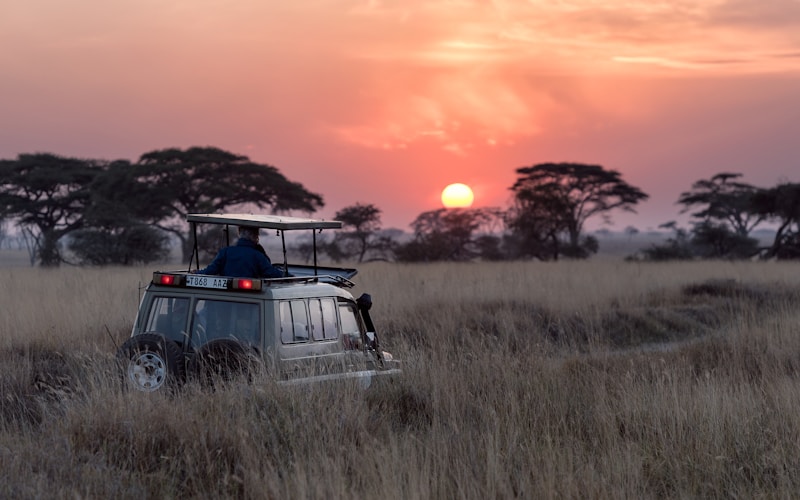
Gorongosa remains relatively undiscovered by international tourists, offering an intimate safari experience with far fewer vehicles than parks in East and Southern Africa. Game drives on the floodplains during dry season offer excellent wildlife viewing, while the wet season transforms the landscape into a lush green paradise with spectacular birding.
Key Facts
- Gorongosa lost over 95% of its large animals during Mozambique's civil war (1977-1992).
- The restoration project, launched in 2008, is considered one of the greatest conservation comebacks in Africa.
- Waterbuck populations have grown from fewer than 500 to over 55,000 since restoration began.
- The park supports over 500 bird species — more than most entire countries.
- Mount Gorongosa's rainforest harbors species found nowhere else on Earth.
Fun Facts
- Gorongosa's elephants, having survived war and poaching, are remarkably tuskless — about 30% of females lack tusks, compared to 2-6% normally, an apparent evolutionary response to ivory poaching.
- The park's name comes from the local Gorongozi dynasty that ruled the area before Portuguese colonization.
- E.O. Wilson called Gorongosa "ecologically the most diverse park in the world" due to its extraordinary range of habitat types.
- Gorongosa's girls' education program has been linked to reduced deforestation in surrounding communities, showing a direct connection between education and conservation.
Final Thoughts
Gorongosa National Park is proof that even the most damaged ecosystems can recover when science, community engagement, and sustained commitment come together. Its transformation from a war-ravaged park with depleted wildlife to a thriving conservation success story offers hope for protected areas worldwide. Visiting Gorongosa means witnessing not just wildlife, but the power of restoration in action.