

The Great Plains of North America and the Pampas of South America are the two most extensive and productive temperate grasslands on Earth. The Great Plains stretch roughly 3,200 kilometers from Canada to Texas, covering about 1.3 million square kilometers. The Pampas cover approximately 750,000 square kilometers across Argentina, Uruguay, and southern Brazil.
Introduction
Both grasslands were formed by similar processes: flat terrain, moderate rainfall insufficient for forest growth, and rich soils built up over millennia from decomposing grass roots. Both became agricultural powerhouses that feed their respective continents and much of the world.
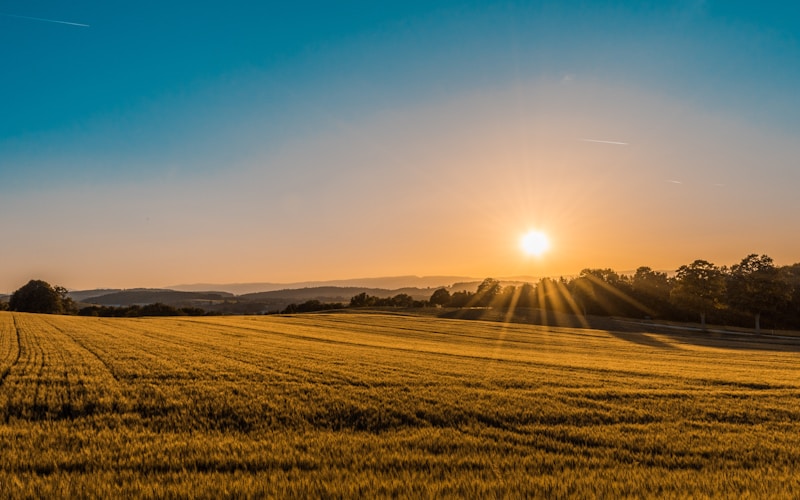
Size & Geography
- Great Plains Area: ~1.3 million km²
- Pampas Area: ~750,000 km²
- Great Plains Extent: Canada to Texas, east of Rockies
- Pampas Extent: Central Argentina, Uruguay, southern Brazil
- Great Plains Elevation: 300-1,500 m
- Pampas Elevation: 0-500 m
The Great Plains occupy the interior of North America between the Rocky Mountains and the Central Lowlands, from Alberta and Saskatchewan in the north to central Texas in the south. Elevation rises gradually from east to west, from about 300 meters to 1,500 meters at the base of the Rockies. The region is remarkably flat, though punctuated by features like the Black Hills and the Flint Hills.
The Pampas radiate outward from Buenos Aires across the flat interior of Argentina, merging with the hills of Uruguay and southern Brazil. The terrain is even flatter than the Great Plains, with virtually no elevation change across vast distances. The Pampas are divided into the "humid Pampas" near the coast and the "dry Pampas" to the west and south.
Great Plains Profile
- Soil Type: Mollisols (some of the richest on Earth)
- Agriculture: Wheat, corn, soybeans, cattle
- Original Ecosystem: Tallgrass and shortgrass prairie
- Aquifer: Ogallala Aquifer (declining)
The Great Plains are one of the world's most productive agricultural regions, producing the majority of US wheat, much of its corn and soybeans, and supporting massive cattle ranching operations. The rich, dark soils (mollisols) formed over thousands of years from accumulated grass roots, creating topsoil up to a meter deep in some areas.
The Ogallala Aquifer underlies much of the Great Plains, providing irrigation water for crops across eight states. However, the aquifer is being depleted far faster than it can recharge, with some areas having lost 60% of their water. The original tallgrass prairie ecosystem, once covering 170 million acres, has been reduced by over 99% to make way for agriculture.
Pampas Profile
- Soil Type: Mollisols (among the world's most fertile)
- Agriculture: Cattle, soybeans, wheat, corn
- Original Ecosystem: Temperate grassland
- Cultural Identity: Gaucho (cowboy) tradition
The Pampas are synonymous with Argentine beef. The rich grasslands supported vast herds of cattle that made Argentina one of the world's wealthiest nations in the early 20th century. Today, the Pampas produce the majority of Argentina's agricultural exports, including beef, soybeans, wheat, and sunflowers.
The gaucho, the horseman of the Pampas, is a central figure in Argentine culture, comparable to the cowboy of the American West. Gauchos developed a distinctive way of life centered on cattle herding, horsemanship, and the open grasslands. The Pampas have been more extensively converted to agriculture than any other grassland in South America, with very little original habitat remaining.
Key Differences
- Size: Great Plains are ~73% larger
- Climate: Great Plains: continental with blizzards/tornadoes; Pampas: more moderate
- Water: Great Plains rely on Ogallala Aquifer; Pampas receive more natural rainfall
- Threats: Great Plains: aquifer depletion; Pampas: soy expansion, soil degradation
The Great Plains experience far more extreme weather, including tornadoes, blizzards, and severe droughts. Tornado Alley runs through the central Great Plains, producing more tornadoes than any other region on Earth. The Pampas have a more moderate maritime-influenced climate, though they still experience droughts and flooding.
Both grasslands face serious sustainability challenges. The Great Plains are depleting the Ogallala Aquifer at unsustainable rates, potentially threatening irrigation-dependent agriculture within decades. The Pampas are being rapidly converted from cattle ranching to soy cultivation, driven by global demand for soybeans, with concerns about soil degradation and loss of remaining native grassland.
Which Is More Impressive?
- Great Plains Advantage: Larger, more productive, dramatic weather, iconic American landscape
- Pampas Advantage: Richer per-acre soil, cultural significance of gaucho tradition, beef quality
The Great Plains are the breadbasket of North America and one of the most productive agricultural regions in world history. The scale of agriculture on the Great Plains, from endless wheat fields in Kansas to massive feedlots in Texas, is staggering. The dramatic weather, from tornado-spawning supercells to winter blizzards, adds to the region's intensity.
The Pampas hold a romantic appeal as the land of the gaucho, the endless horizon, and some of the finest grass-fed beef in the world. Argentine beef's global reputation owes everything to the Pampas' rich soils and nutritious grasses. For a smaller region, the Pampas punch well above their weight in global agricultural importance.
Key Facts
- The Great Plains (~1.3 million km²) are about 73% larger than the Pampas (~750,000 km²).
- Both regions have mollisol soils, among the richest and most productive on Earth.
- The Great Plains produce the majority of US wheat and a large share of corn and soybeans.
- The Pampas are famous for grass-fed beef, a cornerstone of Argentine culture and economy.
- The Ogallala Aquifer beneath the Great Plains has lost up to 60% of its water in some areas.
Fun Facts
- The Great Plains were once called the "Great American Desert" by early explorers who doubted they could be farmed.
- Argentine beef cattle on the Pampas are among the only major herds still primarily grass-fed rather than grain-fed.
- Over 99% of the original tallgrass prairie on the Great Plains has been converted to agriculture.
- The Pampas are so flat that rivers barely flow; flooding can persist for months in low areas.
Final Thoughts
The Great Plains and the Pampas are the twin breadbaskets of the Americas, grasslands converted into two of the world's most productive agricultural regions. The Great Plains are larger and more dramatically weathered; the Pampas are more intimately tied to a single cultural identity. Both face sustainability crises that will determine whether they can continue feeding the world for generations to come.
Test Your Knowledge!
Think you can tell geographic features apart? Test your knowledge!
Play Geography Games →