

The highest road in the world is the road to Umlingla Pass in Ladakh, India, reaching 5,883 meters (19,300 feet) above sea level. Other extreme high-altitude roads include Khardung La (5,359m), Marsimik La (5,582m), and roads on the Tibetan Plateau exceeding 5,000 meters.
Introduction
Driving at these extreme elevations presents unique challenges beyond the usual mountain hazards. The air contains 40 to 50 percent less oxygen than at sea level, causing altitude sickness in many travelers. Engines lose power, brakes overheat on descents, and sudden weather changes can bring blizzards even in summer.
This guide lists the 10 highest drivable roads in the world, with verified elevation data, drivable seasons, and what to expect at the top.
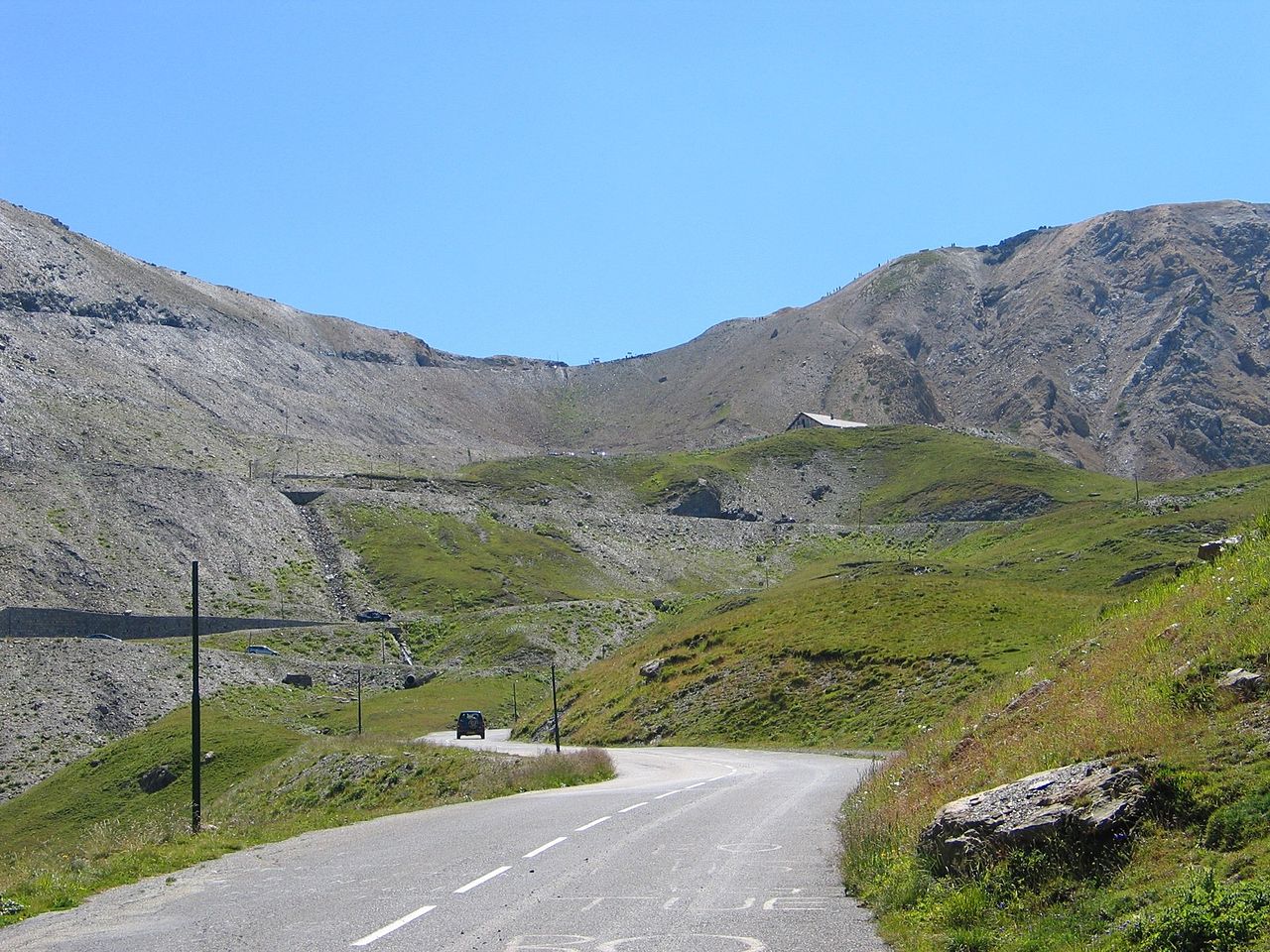
1. Umlingla Pass — India
- Elevation: 5,883 m (19,300 ft)
- Location: Ladakh, India
- Road Surface: Paved (BRO)
- Drivable Season: June to September
Umlingla Pass in eastern Ladakh is officially the highest motorable road in the world, constructed by the Indian Border Roads Organisation (BRO) and inaugurated in 2021. The road connects Hanle to the remote Demchok sector near the Chinese border. At the summit, the oxygen level is roughly half that at sea level, and most visitors experience headaches, nausea, and shortness of breath.
The road is fully paved and in remarkably good condition given its extreme altitude. However, the remoteness — no fuel stations or medical facilities for over 100 kilometers — makes it essential to travel prepared. The pass is typically open from June to September, with heavy snowfall blocking access for the remaining months.
2. Marsimik La — India
- Elevation: 5,582 m (18,314 ft)
- Location: Ladakh, India
- Road Surface: Unpaved
- Access: Military permit required
Marsimik La in Ladakh is one of the highest mountain passes accessible by motor vehicle, though the road is unpaved and requires a military Inner Line Permit due to its proximity to the Chinese border. The pass is located on the road from Pangong Lake toward the Chushul sector. Conditions are extremely harsh, with temperatures dropping well below freezing even in summer.
3. Khardung La — India
- Elevation: 5,359 m (17,582 ft)
- Location: Ladakh, India
- Road Surface: Partially paved
- Drivable Season: Year-round (with closures)
Khardung La was long claimed to be the world's highest motorable pass, though GPS measurements have revised its elevation to 5,359 meters — still extraordinarily high. The pass connects Leh to the Nubra Valley and the Siachen Glacier military base. It is one of the few extremely high passes open year-round, though winter storms frequently close the road for days at a time.
The road carries heavy military traffic alongside tourist vehicles, and the combination of altitude, narrow width, and unpredictable weather makes it one of the most challenging drives in the Himalayas.
4. Semo La — Tibet, China
- Elevation: 5,565 m (18,258 ft)
- Location: Tibet Autonomous Region, China
- Road Surface: Paved
- Route: China National Highway 219
Semo La lies on China National Highway 219, which runs along the northern edge of the Tibetan Plateau. The pass is part of a road that traverses some of the most remote and sparsely populated territory on Earth, with vast stretches of empty plateau between tiny settlements. The road is well-maintained and fully paved, but the extreme altitude and isolation make breakdowns potentially dangerous.
5. Tanglang La — India
- Elevation: 5,328 m (17,480 ft)
- Location: Ladakh, India
- Route: Leh-Manali Highway
- Drivable Season: June to September
Tanglang La is the second-highest pass on the Leh-Manali Highway and one of the most frequently crossed extreme-altitude passes by tourists. The approach from both sides features long series of switchbacks across barren, moonlike terrain. At the summit, a sign reads: "Tanglang La — You are passing through the second highest pass of the world. Unbelievable is not it?"
6. Ak-Baital Pass — Tajikistan
- Elevation: 4,655 m (15,270 ft)
- Location: GBAO, Tajikistan
- Route: Pamir Highway (M41)
- Road Surface: Partially paved
Ak-Baital Pass is the highest point on the Pamir Highway (M41), one of the world's great overland routes connecting Dushanbe to the Kyrgyz border. The pass sits in the Eastern Pamirs, a vast, high-altitude desert landscape sometimes called the "Roof of the World." Conditions are raw — freezing temperatures year-round, no permanent settlements for long distances, and a road surface that alternates between deteriorating asphalt and gravel.
7. Kardung La to Agham Shyok Road — India
- Elevation: 5,400+ m (multiple high points)
- Location: Eastern Ladakh, India
- Road Surface: Unpaved
- Access: Restricted military zone
The road network in eastern Ladakh between Khardung La and the Shyok River features multiple high points exceeding 5,400 meters. These military roads, built to support India's border defense infrastructure, pass through some of the most desolate and high-altitude terrain accessible by vehicle anywhere on Earth.
8. Mana Pass — India
- Elevation: 5,545 m (18,192 ft)
- Location: Uttarakhand, India
- Status: One of the highest passes on the India-Tibet border
- Drivable Season: July to September
Mana Pass near the village of Mana (the last Indian village before Tibet) in Uttarakhand is one of the highest vehicular passes on the India-China border. The road is primarily used by the Indian military. The surrounding region includes the source of the Saraswati River and sits in the shadow of peaks exceeding 7,000 meters.
9. Khunjerab Pass — Pakistan/China
- Elevation: 4,693 m (15,397 ft)
- Location: Pakistan-China border
- Route: Karakoram Highway
- Drivable Season: May to November
Khunjerab Pass is the highest paved international border crossing in the world, connecting Pakistan's Gilgit-Baltistan to China's Xinjiang province via the Karakoram Highway. The border crossing is marked by a gate and guard posts from both nations. Snow leopards, Marco Polo sheep, and ibex inhabit the surrounding Khunjerab National Park.
10. Wuming Pass — Tibet, China
- Elevation: 5,231 m (17,159 ft)
- Location: Western Tibet, China
- Route: Near Mount Kailash
- Road Surface: Unpaved
Wuming Pass sits on the road approaching Mount Kailash in western Tibet, one of the most sacred mountains in the world for Hindus, Buddhists, Jains, and followers of Bon. The road is unpaved and crosses vast stretches of empty plateau at altitudes consistently above 4,500 meters. Pilgrims and adventurers share the route with supply trucks heading to remote monasteries and settlements.
Key Facts
- Umlingla Pass at 5,883 meters is the highest motorable road in the world, inaugurated in 2021.
- At 5,000+ meters, the air contains approximately 50% less oxygen than at sea level.
- Most extreme-altitude roads are in the Himalayas, Karakoram, or Tibetan Plateau.
- Khunjerab Pass (4,693m) is the highest paved international border crossing.
- Engine power drops by roughly 3% for every 300 meters of elevation gain.
Fun Facts
- At the top of Umlingla Pass, water boils at approximately 80°C instead of 100°C due to the low air pressure.
- Khardung La was listed in the Guinness Book of Records as the highest motorable pass, but GPS surveys later revised its elevation downward.
- The Indian Border Roads Organisation maintains roads at elevations higher than any peak in the European Alps.
- Tibetan Plateau roads regularly cross passes above 5,000 meters with no signage — drivers must rely on GPS and experience.
Final Thoughts
The world's highest roads push the limits of both human endurance and automotive engineering. Driving at these extreme elevations is not merely a transportation challenge but a physiological one — altitude sickness, oxygen deprivation, and sub-zero temperatures make every journey an expedition. For those who brave them, the reward is access to some of the most remote and breathtaking landscapes on Earth.
Test Your Knowledge!
Think you know your transportation geography? Try our interactive quiz!
Play Geography Games →