

Every hurricane season, storms with names like Katrina, Harvey, and Maria dominate headlines. But the practice of naming tropical cyclones is relatively recent, and the system behind it has evolved through centuries of improvisation, sexism controversies, and international diplomacy. Today, the World Meteorological Organization (WMO) maintains six rotating lists of names for each ocean basin, with particularly destructive storms having their names permanently retired.
Introduction
The fundamental purpose of naming storms is practical: named storms are far easier to track, communicate about, and remember than numerical designations. When multiple storms are active simultaneously — as happened in September 2020, when five tropical cyclones churned across the Atlantic at once — distinct names prevent dangerous confusion in forecasts and warnings.
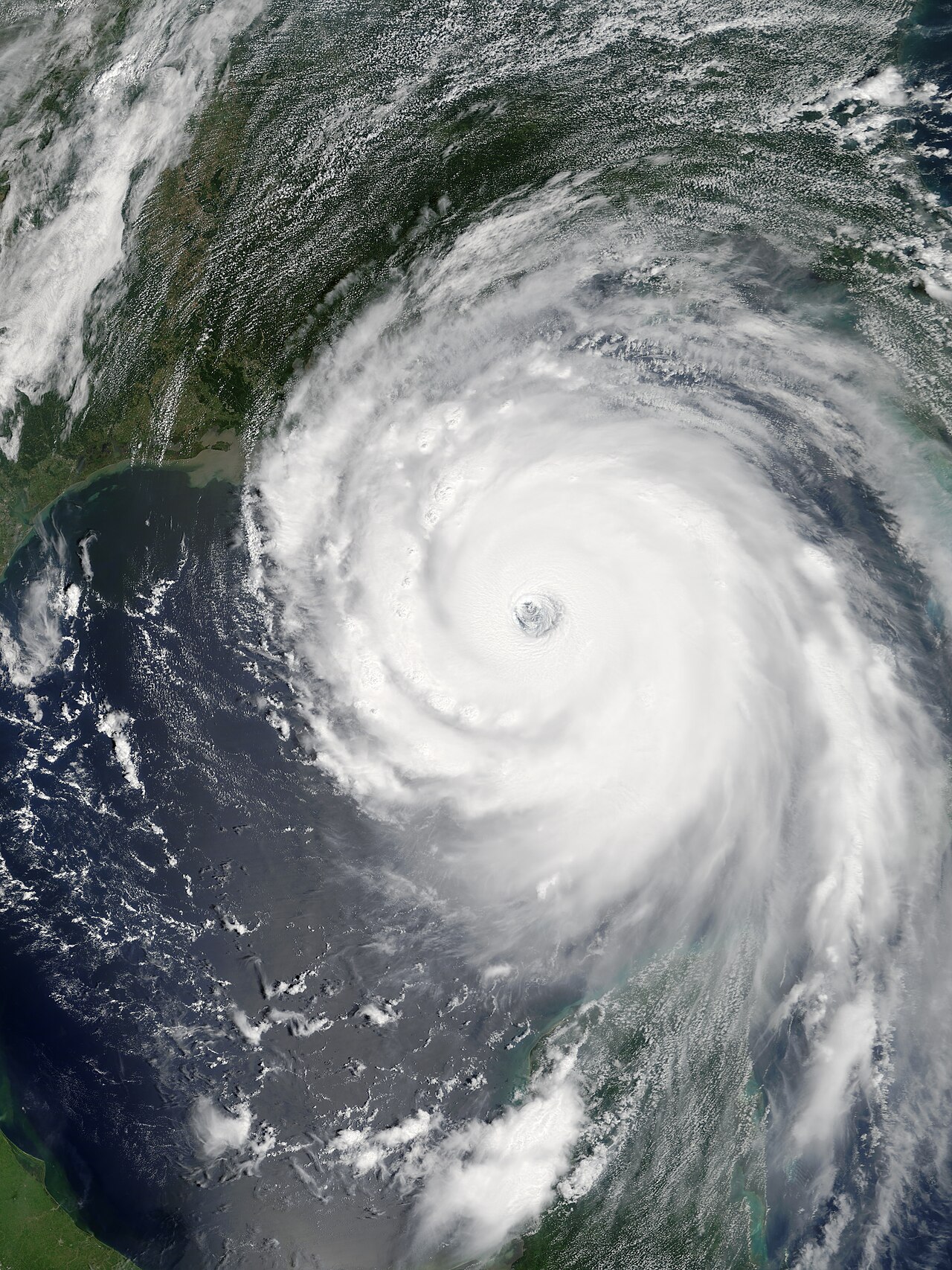
Early History of Storm Naming
- Before 1900: Storms named after saints, ships, or locations
- 1940s-1950s: US military used female names informally
- 1953: US Weather Bureau adopted official female-name lists
- 1979: Male names added to Atlantic lists after feminist criticism
For centuries, Caribbean hurricanes were informally named after the Catholic saint on whose feast day the storm struck. The "San Felipe" hurricanes of 1876 and 1928 both hit Puerto Rico on September 13 — the feast of Saint Philip. When a second devastating hurricane struck on the same date, it was called "San Felipe Segundo."
During World War II, US military meteorologists in the Pacific began informally naming typhoons after their girlfriends and wives. In 1953, the US Weather Bureau adopted the practice officially for Atlantic hurricanes, using exclusively female names. This system persisted until 1979, when sustained criticism from feminist organizations led the WMO to alternate between male and female names — a practice that continues today.
How the Modern System Works
- Managed By: World Meteorological Organization (WMO)
- Atlantic Lists: 6 rotating lists of 21 names each (no Q, U, X, Y, Z)
- Rotation: Each list used every 6 years
- Naming Threshold: Tropical storm status (sustained winds 63+ km/h)
The WMO maintains separate name lists for each tropical cyclone basin. In the Atlantic, six lists of 21 names rotate on a six-year cycle. The letters Q, U, X, Y, and Z are excluded because too few names begin with those letters across the required languages (English, Spanish, and French). If more than 21 named storms occur in a season, a supplemental list is used — as happened in the record-breaking 2020 season.
Different basins use different naming conventions. The Western North Pacific uses names contributed by 14 member nations, including animal, flower, and food names — Typhoon Mangkhut (mangosteen), Typhoon Hato (Japanese pigeon), and Typhoon Lekima (a Vietnamese fruit). The North Indian Ocean uses names from member countries like India, Bangladesh, Myanmar, Pakistan, and Sri Lanka.
Retired Hurricane Names
- Reason for Retirement: Particularly deadly or costly storms
- Total Retired (Atlantic): Over 90 names since 1954
- Most Retired Letter: I (Ivan, Irma, Ike, Igor, Ida, Irene, Iris...)
- Recent Retirements: Ian (2022), Fiona (2022), Ida (2021), Dorian (2019)
When a hurricane causes such devastating loss of life or economic damage that its name would be insensitive to reuse, the WMO retires the name permanently. Over 90 Atlantic hurricane names have been retired since the practice began in 1954. The 2005 season alone saw five names retired: Dennis, Katrina, Rita, Stan, and Wilma — the most in a single season.
Some of the most recognizable retired names include Katrina (2005, $125 billion in damage, 1,800+ killed), Sandy (2012, $68.7 billion), Harvey (2017, $125 billion), and Maria (2017, 2,975 killed in Puerto Rico). A retired name is replaced by a new name of the same gender and starting letter — for example, "Katia" replaced "Katrina" on the Atlantic list.
Naming Controversies and Cultural Impact
- Gender Bias Study: 2014 study claimed female-named hurricanes kill more people
- Political Naming: Proposals to name storms after climate-denying politicians
- Media Effect: Named storms receive more media coverage than unnamed ones
- Cultural Memory: Names like "Katrina" become synonymous with disaster
Hurricane naming has sparked numerous controversies. A 2014 study published in the Proceedings of the National Academy of Sciences claimed that hurricanes with female names killed more people because the public perceived them as less threatening. The study was widely criticized for methodological issues, but it highlighted how names can influence human behavior during emergencies.
The cultural impact of hurricane names is profound. "Katrina" has become synonymous with government failure and racial inequality in disaster response. "Sandy" transformed the conversation about climate change and infrastructure resilience in the northeastern United States. Some names carry so much emotional weight that entire communities associate them with trauma, which is precisely why the retirement system exists.
Key Facts
- The WMO maintains six rotating lists of 21 names for the Atlantic basin.
- Over 90 Atlantic hurricane names have been retired since 1954.
- Male names were added to hurricane lists in 1979 after feminist criticism.
- The 2005 season had the most retired names (5): Dennis, Katrina, Rita, Stan, and Wilma.
- The Western Pacific uses names from 14 nations, including animal, flower, and food names.
Fun Facts
- Before modern naming, two devastating hurricanes hit Puerto Rico on September 13 in 1876 and 1928 — both called "San Felipe."
- The most-retired starting letter in Atlantic hurricane naming is "I" — with names like Ivan, Irma, Ike, Igor, Ida, and Irene all retired.
- Australia's Bureau of Meteorology once included the name "Raquel" to honor a drag queen who raised money for cyclone relief.
- In 2020, the Atlantic season exhausted the regular name list for only the second time in history, requiring supplemental names.
Final Thoughts
Hurricane naming is far more than a bureaucratic exercise — it is a communication tool that saves lives, a cultural touchstone that shapes collective memory, and a political lightning rod that reflects broader social debates. From the saint-based naming of Caribbean colonists to today's internationally coordinated lists, the evolution of storm naming mirrors humanity's evolving relationship with these powerful forces of nature.
Test Your Knowledge!
Think you know the world's extreme weather?
Play Geography Games →