

Introduction
Madagascar is the world's fourth largest island, stretching 1,580 km along the southeast coast of Africa in the Indian Ocean. Its long isolation from any continental landmass has produced an extraordinary collection of plants and animals found nowhere else on the planet, earning it the nickname "the eighth continent."
From the towering limestone tsingy formations to the iconic Avenue of the Baobabs, Madagascar's landscapes are as diverse as its wildlife. The island harbors over 12,000 plant species, more than 100 species of lemurs, and countless reptiles and amphibians that have evolved in splendid isolation over tens of millions of years.
Geography & Geology
- Area: 587,041 km²
- Highest Point: Maromokotro (2,876 m)
- Coastline: 4,828 km
- Separation from Africa: 88 million years ago
Madagascar separated from the Indian subcontinent approximately 88 million years ago, completing its long geological journey from being part of Gondwana. The island's central highlands run north to south, reaching their peak at Maromokotro in the Tsaratanana Massif. The eastern escarpment drops steeply to a narrow coastal plain, while the western side slopes more gently to broad plains and river deltas.
The island's geology is remarkably varied, featuring ancient Precambrian basement rocks, dramatic limestone karst formations known as tsingy, and volcanic massifs in the north. The Tsingy de Bemaraha, a UNESCO World Heritage Site, consists of razor-sharp limestone pinnacles that can reach 30 meters in height.
Climate & Ecosystems
- Climate Zones: 5 distinct regions
- Annual Rainfall (East): 2,000-3,000 mm
- Annual Rainfall (Southwest): 300-500 mm
- Forest Cover: ~20% remaining
Madagascar's climate varies dramatically from east to west. The eastern coast receives heavy rainfall from trade winds, supporting lush tropical rainforests. The central highlands are cooler and drier, while the western coast features deciduous dry forests. The southwest is semi-arid with unique spiny forests dominated by Didiereaceae, a family of thorny plants found only on the island.
Tragically, Madagascar has lost over 80% of its original forest cover due to slash-and-burn agriculture known as tavy. The eastern rainforests, which harbor the greatest biodiversity, continue to shrink at an alarming rate, threatening countless endemic species with extinction.
Wildlife & Biodiversity
- Lemur Species: Over 100
- Endemic Plants: ~12,000 species
- Chameleon Species: ~50% of world's species
- Endemism Rate: ~90% of wildlife
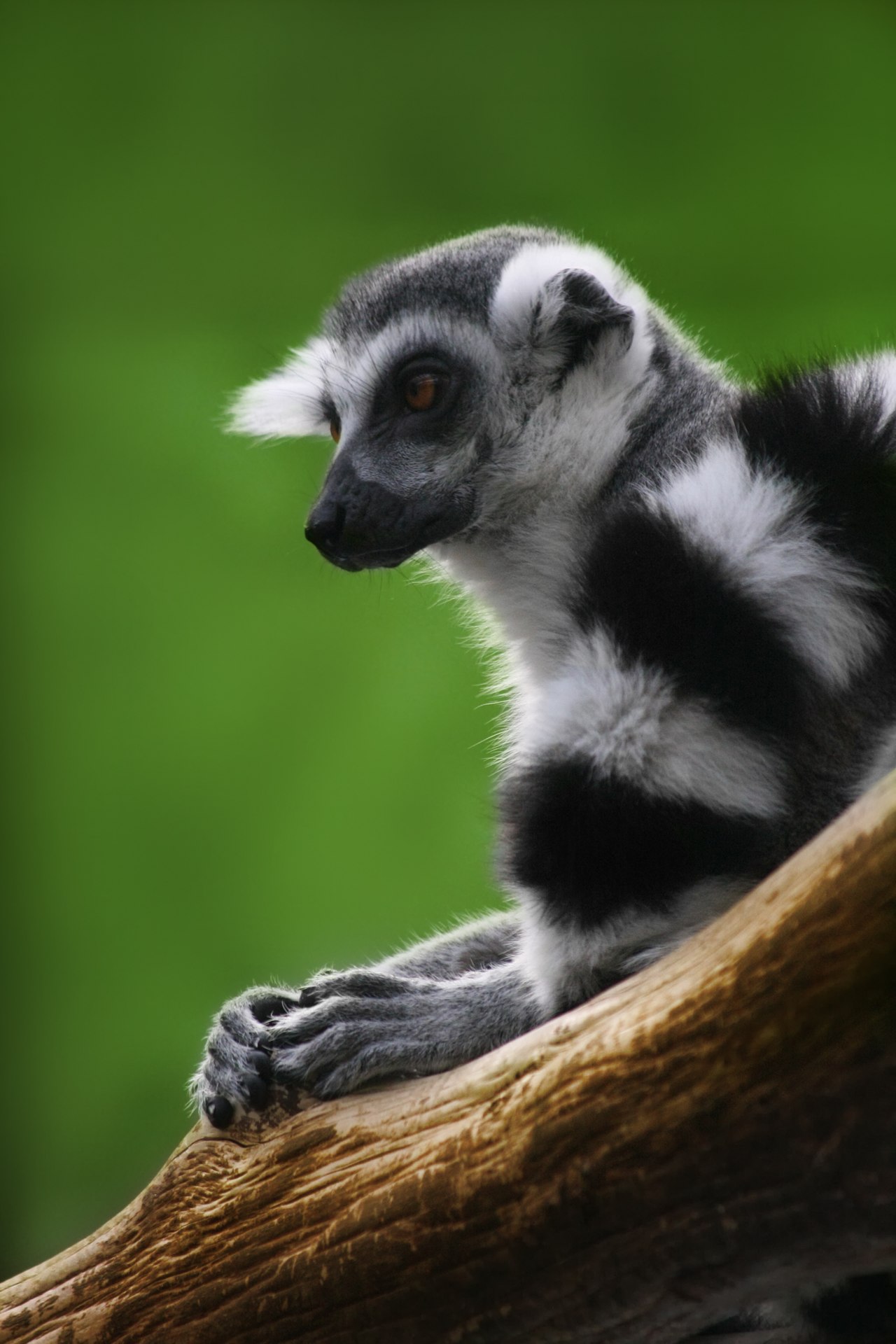
Madagascar is one of the world's foremost biodiversity hotspots. Lemurs, the island's most famous residents, range from the tiny mouse lemur weighing just 30 grams to the indri, which can reach 9 kg. All lemur species are found only in Madagascar, and many are critically endangered due to habitat loss.
The island is also home to nearly half of the world's chameleon species, including the smallest reptile ever discovered, Brookesia nana, at just 22 mm long. Madagascar's baobab trees, with six of the world's eight species being endemic, are among its most iconic botanical treasures.
Culture & History
- Population: ~29 million
- Ethnic Groups: 18 official groups
- Languages: Malagasy, French
- Settlement: ~2,000 years ago
Despite its proximity to Africa, Madagascar was first settled by Austronesian peoples from Southeast Asia around 2,000 years ago, arriving by outrigger canoe across the Indian Ocean. Later migrations from East Africa, Arabia, and India created the diverse Malagasy people, who share a common language with roots in the Borneo region.
Malagasy culture reflects this blend of influences, from the terraced rice paddies reminiscent of Southeast Asia to the practice of famadihana, or "turning of the bones," a funerary tradition where families periodically rewrap the remains of ancestors and celebrate with music and dancing.
Notable Landmarks
- UNESCO Sites: 3 (Tsingy, Rainforests, Royal Hill)
- National Parks: Over 40 protected areas
- Avenue of the Baobabs: Near Morondava
- Nosy Be: Largest offshore island
The Avenue of the Baobabs near Morondava is Madagascar's most photographed landmark, where towering Grandidier's baobabs line a dirt road, remnants of a once-dense tropical forest. The Tsingy de Bemaraha National Park features its otherworldly limestone pinnacles, while Ranomafana and Andasibe-Mantadia national parks offer some of the best rainforest experiences.
The island of Nosy Be off the northwest coast is Madagascar's premier beach destination, known for whale shark sightings and ylang-ylang plantations. Isalo National Park in the south features sandstone canyons and natural swimming pools, while the Royal Hill of Ambohimanga near Antananarivo is a sacred site and former royal palace.
Key Facts
- Madagascar is the world's fourth largest island at 587,041 km², roughly the size of France.
- Over 90% of Madagascar's wildlife is found nowhere else on Earth.
- The island was first settled by Austronesian peoples from Southeast Asia, not from nearby Africa.
- Madagascar has lost more than 80% of its original forest cover.
- All 100+ species of lemurs are endemic to Madagascar and its nearby islands.
Fun Facts
- The aye-aye, a nocturnal lemur, is the world's largest nocturnal primate and uses its elongated middle finger to extract insect larvae from tree bark.
- Madagascar's smallest chameleon, Brookesia nana, is so tiny it can perch on a fingertip.
- The island has more species of orchid than the entire African continent.
- Vanilla, one of the world's most expensive spices, was introduced to Madagascar and the island now produces about 80% of the world's supply.
Final Thoughts
Madagascar stands as one of Earth's most remarkable natural laboratories, where millions of years of isolation have produced an unparalleled collection of unique species. The urgent challenge now is to preserve what remains of its extraordinary ecosystems before more species are lost forever.
