
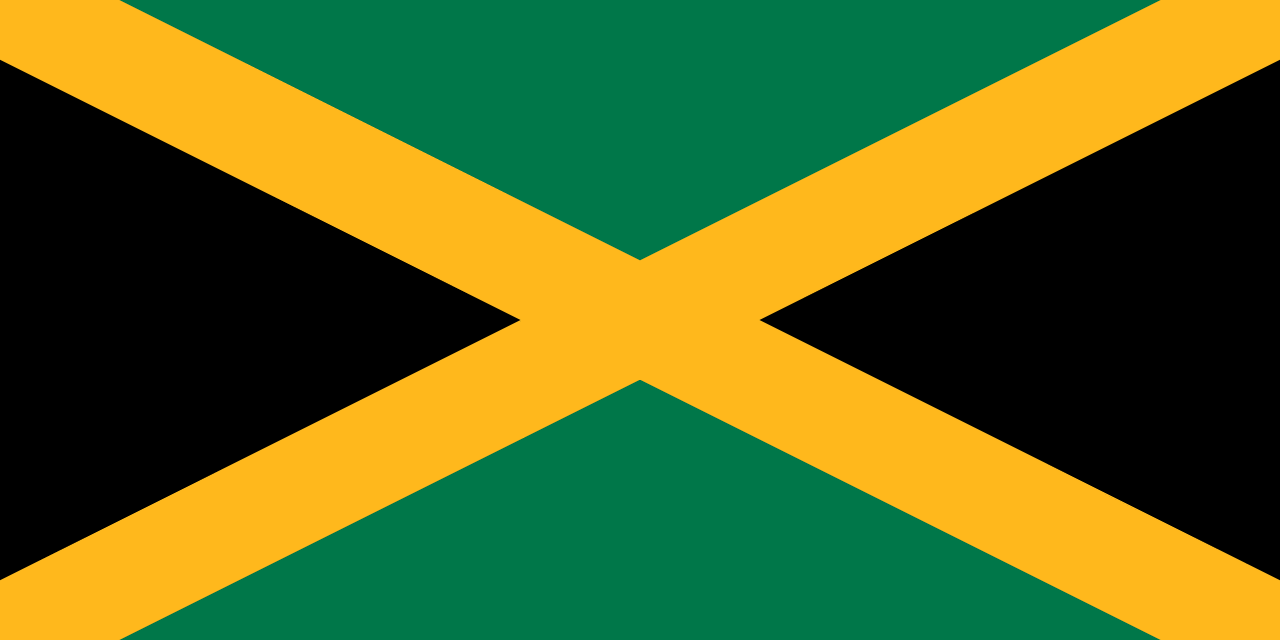
Cricket is the de-facto national sport of Jamaica, a status it has held since the 19th century when British colonists introduced the game to the island. Jamaica does not compete internationally as a standalone cricket nation; instead, it contributes players to the legendary West Indies team, which represents the English-speaking Caribbean. While athletics may be the sport that brings Jamaica its greatest global fame today, cricket remains the cultural cornerstone most often described as the country's national game.
Why Cricket Became Jamaica's National Sport
Cricket arrived in Jamaica during the British colonial era and quickly took root across all levels of society. What began as a pastime of plantation owners and colonial administrators spread to the wider population, and by the late 1800s organized matches were a regular feature of Jamaican life. The sport became woven into the social fabric of towns and villages, played on open fields, school grounds, and parish pitches.
Crucially, cricket also became a vehicle for national and regional pride. As the West Indies team rose to prominence in the 20th century, success on the cricket field gave Caribbean nations a powerful symbol of identity and excellence on the world stage. For Jamaica, contributing star players to that team reinforced cricket's place at the heart of its sporting culture. It is worth noting that the status is informal and customary rather than enshrined in law, but it is universally recognized.
Jamaica and the West Indies Cricket Team
Jamaica is one of the territories that combine to form the West Indies cricket team, a unique arrangement in which several independent Caribbean nations field a single side in international competition. Sabina Park in Kingston is Jamaica's premier cricket venue and one of the most historic grounds in the Caribbean, regularly hosting Test matches and limited-overs internationals.
The West Indies team enjoyed a golden era from the late 1970s through the early 1990s, when it was widely regarded as the strongest side in world cricket. Among the highlights:
- The West Indies won the first two Cricket World Cups, in 1975 and 1979.
- The team produced fearsome fast bowlers and dominant batsmen who set lasting records.
- Jamaican players have featured prominently among West Indies greats across generations.
Though the team's fortunes have fluctuated since, cricket's emotional hold on Jamaica endures, and major matches still draw passionate crowds.
Athletics: Jamaica's Most Celebrated Sport
While cricket is the traditional national sport, athletics is the discipline that has made Jamaica famous around the world. The island, with a population of roughly 2.8 million, produces an extraordinary number of elite sprinters relative to its size.
- Usain Bolt is widely considered the greatest sprinter of all time, winning eight Olympic gold medals and setting the 100m and 200m world records of 9.58 and 19.19 seconds in 2009 — marks that have stood for over 15 years, the longest-standing major sprint records in history.
- Shelly-Ann Fraser-Pryce is a multiple Olympic 100m champion and one of the most decorated female sprinters ever.
- Jamaica's annual high school championships, known as "Champs," are a national spectacle and a renowned pipeline for world-class talent.
For many fans, athletics has become as central to Jamaican identity as cricket, even if it does not carry the formal "national sport" label.
Football and Other Popular Sports
Football, known locally as the most widely played team sport, also commands a huge following. Jamaica's national team, nicknamed the Reggae Boyz, made history by qualifying for the 1998 FIFA World Cup in France — the first English-speaking Caribbean nation to reach the tournament. The achievement sparked nationwide celebration and cemented football's popularity among younger generations.
Other sports enjoyed across the island include netball, which is especially popular among women, as well as boxing, basketball, and swimming. Together they reflect a small nation with an outsized sporting culture, where cricket's heritage, athletics' glory, and football's grassroots energy all coexist. Jamaica's capital, Kingston, serves as the hub for much of this sporting activity. To explore the island's geography, climate, and culture in more depth, see the jamaica country guide.
Frequently Asked Questions
What is the national sport of Jamaica?
The de-facto national sport of Jamaica is cricket. It has held this informal status since the 19th century, when the game was introduced during British colonial rule and spread throughout the island's communities.
Why is cricket considered Jamaica's national sport?
Cricket became deeply embedded in Jamaican society during the colonial era and later served as a powerful source of regional pride through the success of the West Indies team. Although not codified in law, it is universally recognized as the country's traditional sporting identity.
Is Jamaica better known for cricket or athletics?
Internationally, Jamaica is most famous for athletics, thanks to sprinters like Usain Bolt and Shelly-Ann Fraser-Pryce. Cricket, however, remains the traditional national sport and a vital part of the country's heritage.
Does Jamaica have its own cricket team?
Jamaica fields a domestic team but competes internationally as part of the combined West Indies side, which represents several Caribbean nations. Sabina Park in Kingston is Jamaica's main international cricket venue.
