
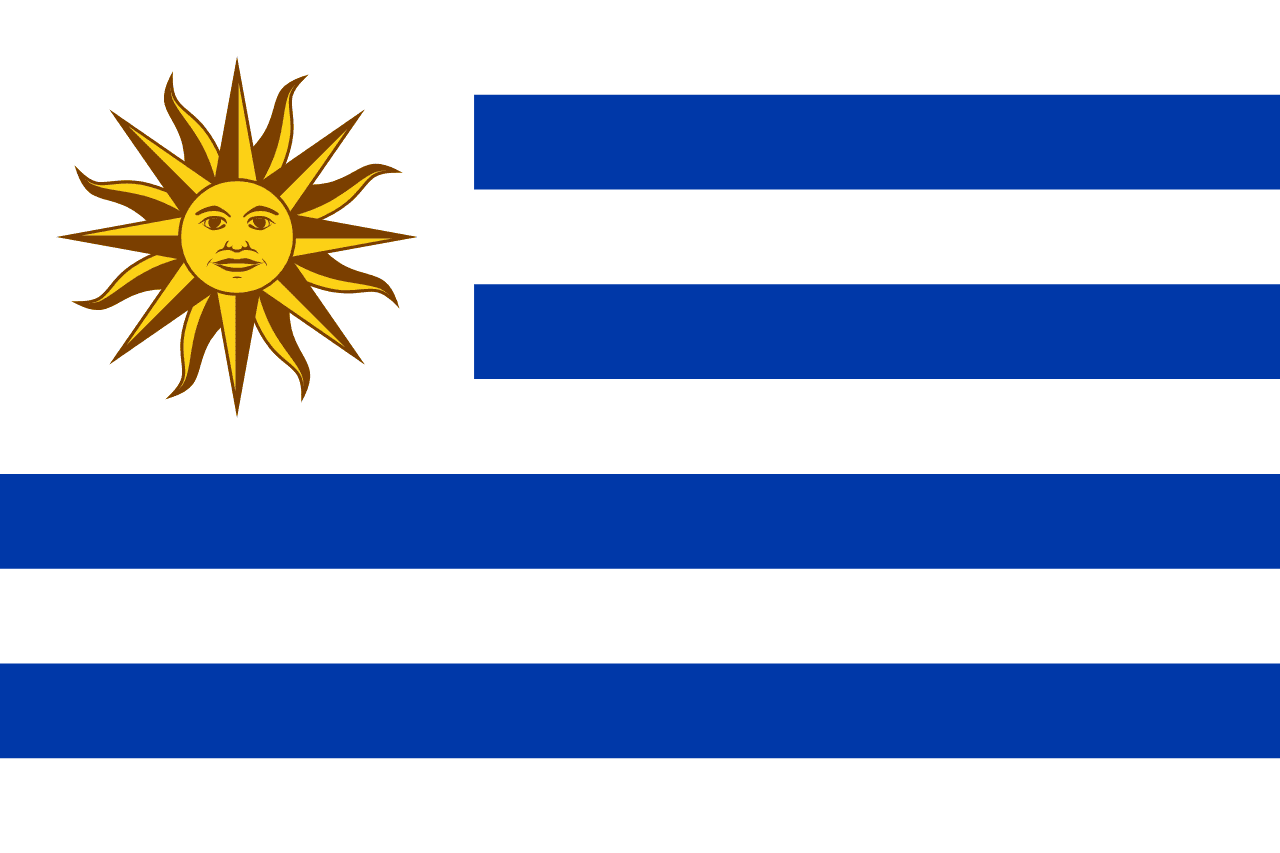
The national sport of Uruguay is football (soccer), known locally as fútbol. While Uruguay has never formally written a national sport into law, football is so deeply woven into the country's identity that no other pastime comes close. A nation of just 3.4 million people, Uruguay has won the FIFA World Cup twice and lifted the Copa América more times than any other country, making it one of the most successful footballing nations per capita on Earth.
Why Football Defines Uruguay
Football arrived in Uruguay in the late 19th century, brought largely by British railway workers, sailors, and businessmen based in the port city of Montevideo. By the 1890s, local clubs were forming, and the sport spread quickly through working-class neighbourhoods. The Uruguayan Football Association was founded in 1900, making it one of the oldest national governing bodies outside Britain. Within a generation, football had moved from a foreign import to the central pillar of Uruguayan popular culture.
Part of football's hold on the country comes from how early Uruguay succeeded at it. A small nation wedged between two giants, Brazil and Argentina, Uruguay used the sport to assert itself on the world stage and prove that size was no barrier to greatness. That underdog spirit, captured in the local concept of garra charrúa ("Charrúa grit" or tenacity), remains a defining trait of Uruguayan teams to this day.
World Cup Glory
Uruguay's footballing pedigree is extraordinary for such a small population:
- Uruguay hosted and won the very first FIFA World Cup in 1930, beating Argentina 4–2 in the final in Montevideo.
- The tournament's centrepiece, the Estadio Centenario, was built specially for the event and remains a national shrine to the sport.
- Uruguay won its second World Cup in 1950, defeating host nation Brazil 2–1 in the deciding match at the Maracanã.
- Before those triumphs, Uruguay had already won Olympic football gold in 1924 and 1928, results FIFA recognises as early world titles.
Few countries can claim four world-level championships, and fewer still achieved them with a talent pool drawn from barely a few million people.
The Maracanazo of 1950
No single moment captures Uruguayan football like the 1950 final. Brazil needed only a draw to be crowned champions, and roughly 200,000 spectators packed the newly built Maracanã expecting a coronation. Brazil scored first, but Uruguay fought back through Juan Alberto Schiaffino and then Alcides Ghiggia to win 2–1. The stadium fell into stunned silence. The result, dubbed the "Maracanazo," is still considered one of the greatest upsets in sporting history and a defining trauma for Brazilian football. For Uruguay, it is the proudest day in the nation's sporting memory.
Continental Dominance and Modern Stars
Beyond the World Cup, Uruguay's strongest claim to greatness is the Copa América, South America's premier international tournament. Uruguay has won it 15 times, more than any other nation, including a memorable triumph in 2011. This consistency over more than a century underlines that football success in Uruguay is not a fluke but a sustained tradition.
The modern era has produced globally recognised stars who carry that legacy. Forwards Luis Suárez and Edinson Cavani became fixtures at Europe's biggest clubs and led the national side at multiple World Cups, while defenders like Diego Godín built reputations for the same fierce determination that has long characterised Uruguayan teams. The country's two biggest clubs, Peñarol and Nacional, both based in Montevideo, are among the most decorated in South American club football and supply much of the talent that feeds the national team.
Other Popular Sports in Uruguay
Although football reigns supreme, Uruguayans enjoy several other pastimes. Basketball has a strong following and a competitive domestic league, and the national basketball team has appeared at the Olympics. Rugby union is growing, with the national side—nicknamed Los Teros—qualifying for multiple Rugby World Cups. Traditional rural activities such as horse-related sports remain part of the country's gaucho heritage. None of these, however, rivals football's emotional grip on the nation, which is why football is universally regarded as the de facto national sport.
For a fuller picture of the country's geography, climate, and culture, see our uruguay country guide.
Frequently Asked Questions
What is the national sport of Uruguay?
The national sport of Uruguay is football (soccer). It is not formally established by law, but it is the country's most popular and culturally significant sport by a wide margin.
How many World Cups has Uruguay won?
Uruguay has won the FIFA World Cup twice, in 1930 and 1950. It also won Olympic football gold in 1924 and 1928, which FIFA recognises as world titles from before the World Cup era.
What is Uruguay's most successful tournament?
Uruguay has won the Copa América 15 times, more than any other nation, making it the most successful country in South America's leading international competition.
Who are Uruguay's most famous footballers?
Modern stars include Luis Suárez, Edinson Cavani, and Diego Godín, while historic legends include Juan Alberto Schiaffino and Alcides Ghiggia, the hero of the 1950 Maracanazo.
