

Introduction
New Guinea, the world's second largest island, contains the third largest expanse of tropical rainforest on Earth after the Amazon and the Congo. Shared between the independent nation of Papua New Guinea in the east and the Indonesian provinces of Papua and West Papua in the west, the island's forests remain among the most pristine and least explored on the planet.
New Guinea is a place of superlatives: it has the highest tropical mountain (Puncak Jaya at 4,884 meters), the greatest linguistic diversity of any island (over 1,000 languages), and possibly the highest concentration of undiscovered species on Earth. Its forests range from coastal mangroves to alpine grasslands, supporting an astonishing web of life.
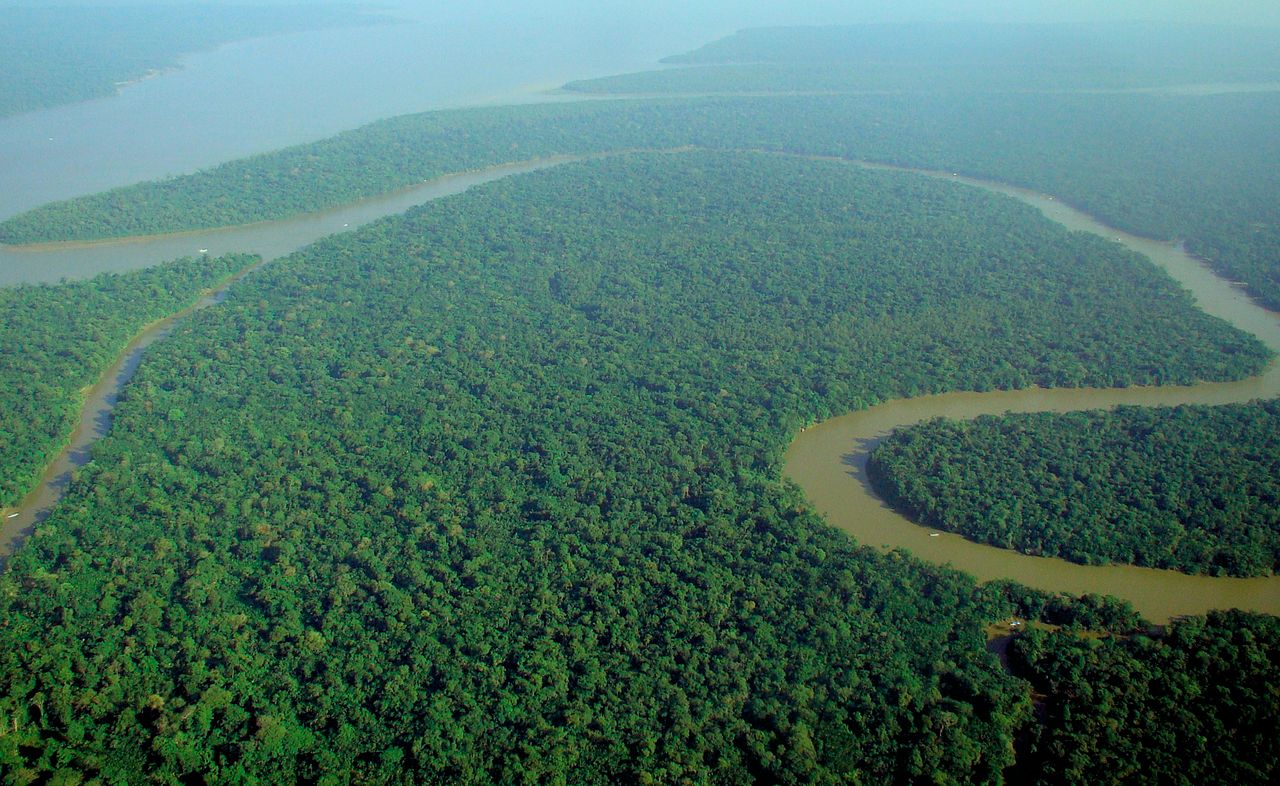
Geography & Extent
- Island Area: 786,000 km²
- Forest Cover: ~70% of the island
- Highest Peak: Puncak Jaya, 4,884 m
- Countries: Papua New Guinea, Indonesia
New Guinea stretches roughly 2,400 kilometers from east to west and is dominated by a central mountain spine that exceeds 4,000 meters in several places. The highlands divide the island into distinct northern and southern watersheds, each supporting different forest types and species assemblages.
The southern lowlands are characterized by vast alluvial plains and swamp forests, including the Fly River watershed, one of the largest wetland systems in the tropics. The northern coast features narrow coastal plains backed by steep mountain slopes, creating a dramatic landscape of forest-clad peaks plunging toward the sea.
Climate & Hydrology
- Annual Rainfall: 2,000-10,000 mm (varies by location)
- Average Temperature: 27°C at sea level; below freezing at high altitudes
- Glaciers: Equatorial glaciers on Puncak Jaya (rapidly retreating)
New Guinea receives some of the highest rainfall on Earth, with certain mountain slopes exceeding 10,000 millimeters annually. The island's massive central mountain range forces moisture-laden air upward, creating orographic rainfall that feeds countless rivers and streams. The combination of heat and moisture supports extraordinary forest productivity.
Remarkably, New Guinea's highest peaks still harbor equatorial glaciers, though these are retreating rapidly due to climate change and may disappear entirely within a few decades. The transition from tropical rainforest at sea level to alpine conditions above 4,000 meters occurs over a remarkably short horizontal distance.
Biodiversity
- Bird Species: ~800 (many endemic)
- Plant Species: ~20,000-25,000
- New Species: ~1,000 discovered since 1998
New Guinea is famous for its birds of paradise, a family of roughly 40 species renowned for the males' spectacular plumage and elaborate courtship dances. Alfred Russel Wallace's encounters with these birds in the 19th century profoundly influenced his development of the theory of evolution by natural selection.
The island is also home to tree kangaroos, giant cassowaries, echidnas (egg-laying mammals), and the world's largest butterfly, Queen Alexandra's birdwing, with a wingspan of 30 centimeters. Scientists estimate that thousands of species remain undiscovered, particularly in the remote highland valleys and montane cloud forests.
Threats & Conservation
- Main Threats: Logging, mining, palm oil expansion
- Forest Condition: ~70% intact (highest of any tropical island)
- Protected Areas: Limited formal protection
New Guinea retains approximately 70% of its original forest cover, making it the most intact tropical forested island on Earth. However, threats are accelerating. Industrial logging concessions, particularly in Indonesian Papua, are expanding rapidly. Palm oil plantations are beginning to encroach on lowland forests, following the pattern seen in Borneo and Sumatra.
Mining is a significant concern, with large-scale operations like the Grasberg mine in Papua (one of the world's largest gold and copper mines) causing environmental damage. Conservation efforts are complicated by the island's remote terrain, limited infrastructure, and the complex land tenure systems of indigenous communities who hold customary ownership over most of the forest.
Cultural Significance
- Languages: ~1,000+ (most linguistically diverse island on Earth)
- Indigenous Groups: Hundreds of distinct cultural groups
- First Human Habitation: ~50,000 years ago
New Guinea is the most linguistically diverse place on Earth, with over 1,000 distinct languages spoken on the island — roughly one-seventh of all languages worldwide. This extraordinary diversity reflects tens of thousands of years of isolated community development in the island's rugged mountain valleys.
Highland agriculture in New Guinea, including the cultivation of taro and sweet potato, is one of the oldest independent agricultural traditions in the world, dating back roughly 10,000 years. Archaeological evidence from the Kuk Swamp site in the Papua New Guinea highlands shows some of the earliest evidence of deliberate plant cultivation anywhere on Earth.
Key Facts
- New Guinea contains the third largest tropical rainforest on Earth.
- The island is the most linguistically diverse place on the planet with over 1,000 languages.
- Approximately 70% of New Guinea's forests remain intact, the highest proportion of any tropical island.
- New Guinea is home to roughly 40 species of birds of paradise.
- Puncak Jaya at 4,884 m is the highest tropical mountain and hosts the only equatorial glaciers in Asia.
Fun Facts
- Queen Alexandra's birdwing, found only in Papua New Guinea, is the world's largest butterfly with a wingspan of 30 centimeters.
- New Guinea was one of the earliest places where humans independently invented agriculture, roughly 10,000 years ago.
- Some highland communities in New Guinea had no contact with the outside world until the 1930s, when Australian gold prospectors stumbled upon populated valleys.
- Male birds of paradise spend hours each day clearing and decorating forest-floor stages for their courtship dances.
Final Thoughts
New Guinea is one of the last great wilderness frontiers on Earth. Its largely intact forests, extraordinary biodiversity, and unmatched cultural diversity make it a place of global significance. As industrial pressures mount, the challenge of protecting New Guinea's forests while respecting the rights and aspirations of its indigenous peoples will define the future of one of the planet's most remarkable places.
