
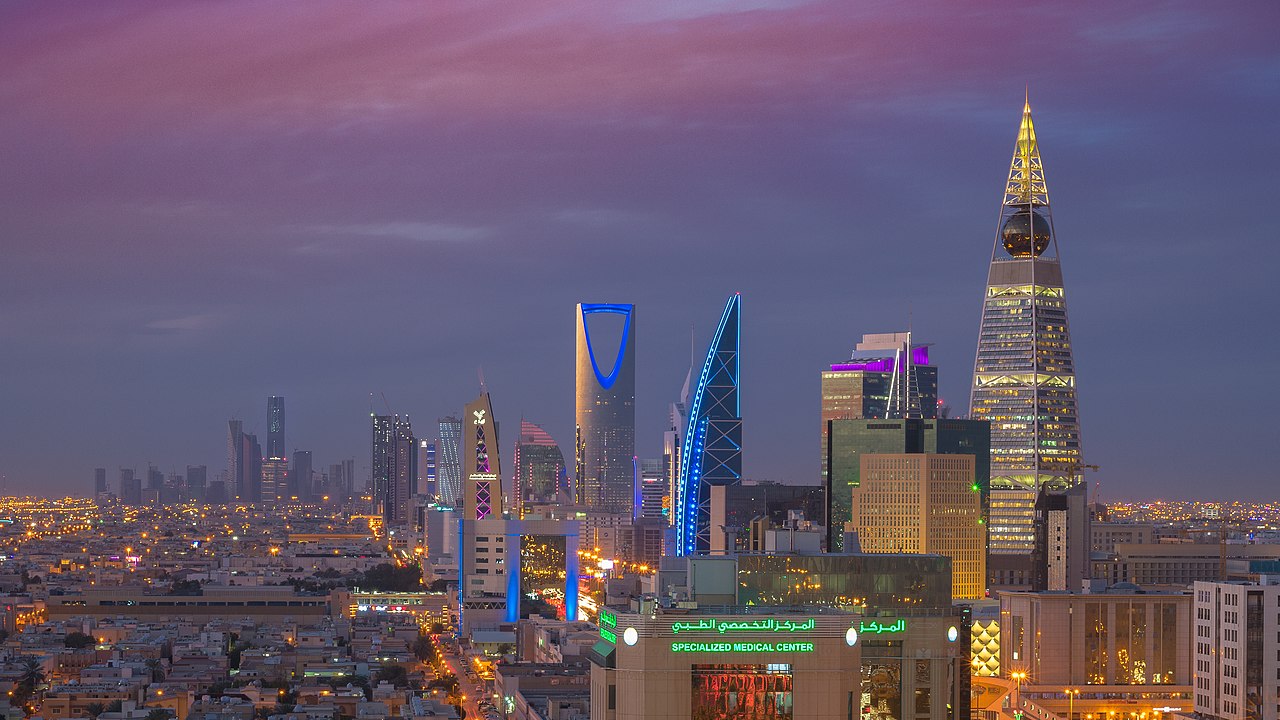
Saudi Arabia has a population of approximately 37 million people in 2025, making it the 39th most populous country in the world and the most populous nation on the Arabian Peninsula. Spread across the deserts and coastal plains of the Arabian Peninsula, this population is overwhelmingly urban, remarkably young, and shaped by one of the fastest demographic expansions of the modern era.
How Many People Live in Saudi Arabia?
The Kingdom of Saudi Arabia is home to roughly 37,000,000 people as of 2025. To put that in perspective, the country occupies an enormous landmass of about 2.15 million square kilometres, yet its population density is just 17 people per square kilometre — among the lowest in the world. This is because vast stretches of the interior are uninhabitable desert, and the great majority of Saudis cluster in cities along the Red Sea and Persian Gulf coasts or around inland oases.
That 37 million figure places Saudi Arabia ahead of countries such as Canada and Malaysia, while remaining far smaller than its regional neighbour Iran or distant giants like India. It is comfortably the largest population among the Gulf states and on the Arabian Peninsula as a whole.
A Demographic Transformation
Perhaps the most striking fact about Saudi Arabia's population is how quickly it has grown. In 1950, fewer than 3 million people lived in the territory. Within roughly 75 years that number multiplied more than twelvefold to reach 37 million — an extraordinary rate of increase fuelled by oil wealth, modern healthcare, and a steady influx of foreign labour.
Oil revenues transformed a sparsely populated desert kingdom into a rapidly modernising state. Improved sanitation and medicine sent infant mortality plunging and life expectancy climbing, while soaring birth rates added millions of citizens. At the same time, ambitious construction and industrial projects drew in millions of guest workers from abroad. The result is a population that grew faster than almost any other on earth during the second half of the twentieth century.
Population Growth and Fertility Today
Saudi Arabia's population is still expanding, currently growing at an annual rate of about 1.63%. That is a high figure for a wealthy nation, and it reflects both natural increase among citizens and the continued arrival of foreign workers needed for the Kingdom's development.
The fertility rate among Saudi nationals, however, has fallen dramatically. In the early 1980s the average woman had around seven children; today the rate has dropped to roughly 2.3 — only just above the replacement level. This decline mirrors trends seen across rapidly developing societies as education, urban living, and women's participation in public life expand. Under the Vision 2030 reform programme, the government is working to diversify the economy and reduce reliance on foreign labour, changes that are likely to reshape the population's makeup in the decades ahead.
Who Lives in Saudi Arabia?
Saudi Arabia's population is unusually international. Around 62% are Saudi nationals, while approximately 38% are foreign residents — one of the highest shares of expatriates of any major country. These workers come largely from South Asia (India, Pakistan and Bangladesh), Southeast Asia (the Philippines and Indonesia), and other Arab states, and they make up an estimated three-quarters of the private-sector workforce.
The population is also young, with a median age of about 32 years. Arabic is the official language, and virtually the entire population is Muslim — predominantly Sunni, with a significant Shia minority concentrated in the oil-rich Eastern Province. The country is governed as an absolute monarchy under the House of Saud. For a wider look at the nation's geography, economy and culture, see our saudi arabia country guide.
The Largest Cities
More than 80% of Saudis live in urban areas, and the population is heavily concentrated in a handful of major cities:
- Riyadh — the capital, with roughly 7.5 million residents. Once a walled desert town of just 20,000 people in the 1920s, it is now a sprawling modern metropolis and the political heart of the Kingdom.
- Jeddah — about 4.7 million residents. The commercial capital on the Red Sea coast, it serves as the main gateway for pilgrims travelling to the holy cities.
- Mecca — around 2 million permanent residents. During the annual Hajj, its population swells by some 2.5 million, making it the site of the largest yearly human gathering on the planet.
Medina, Dammam and the Eastern Province conurbation round out the major population centres, most of which lie near the coasts or along historic trade and pilgrimage routes.
Frequently Asked Questions
What is the population of Saudi Arabia in 2025?
Saudi Arabia has an estimated population of about 37 million people in 2025, ranking it as the 39th most populous country in the world.
What percentage of Saudi Arabia's population are foreigners?
Roughly 38% of residents are foreign nationals, mostly migrant workers from South Asia, Southeast Asia and other Arab countries. They form about three-quarters of the private-sector workforce.
What is the largest city in Saudi Arabia?
Riyadh, the capital, is the largest city with approximately 7.5 million residents, followed by Jeddah and Mecca.
Why has Saudi Arabia's population grown so quickly?
The population grew more than twelvefold since 1950 thanks to oil wealth, dramatic improvements in healthcare, historically high birth rates, and large-scale immigration of foreign workers for development projects.