

Time zones are defined by longitude, with each 15-degree band corresponding to a one-hour offset from UTC. But at the North and South Poles, all lines of longitude converge into a single point. Technically, you could stand at the South Pole and step through all 24 time zones in a few seconds by walking in a small circle.
Introduction
This convergence makes the concept of time zones physically meaningless at the poles. Yet the humans who live and work in polar regions still need to know what time it is. The solutions they have adopted range from practical to whimsical, and they reveal just how much time zones are a human convenience rather than a geographic necessity.
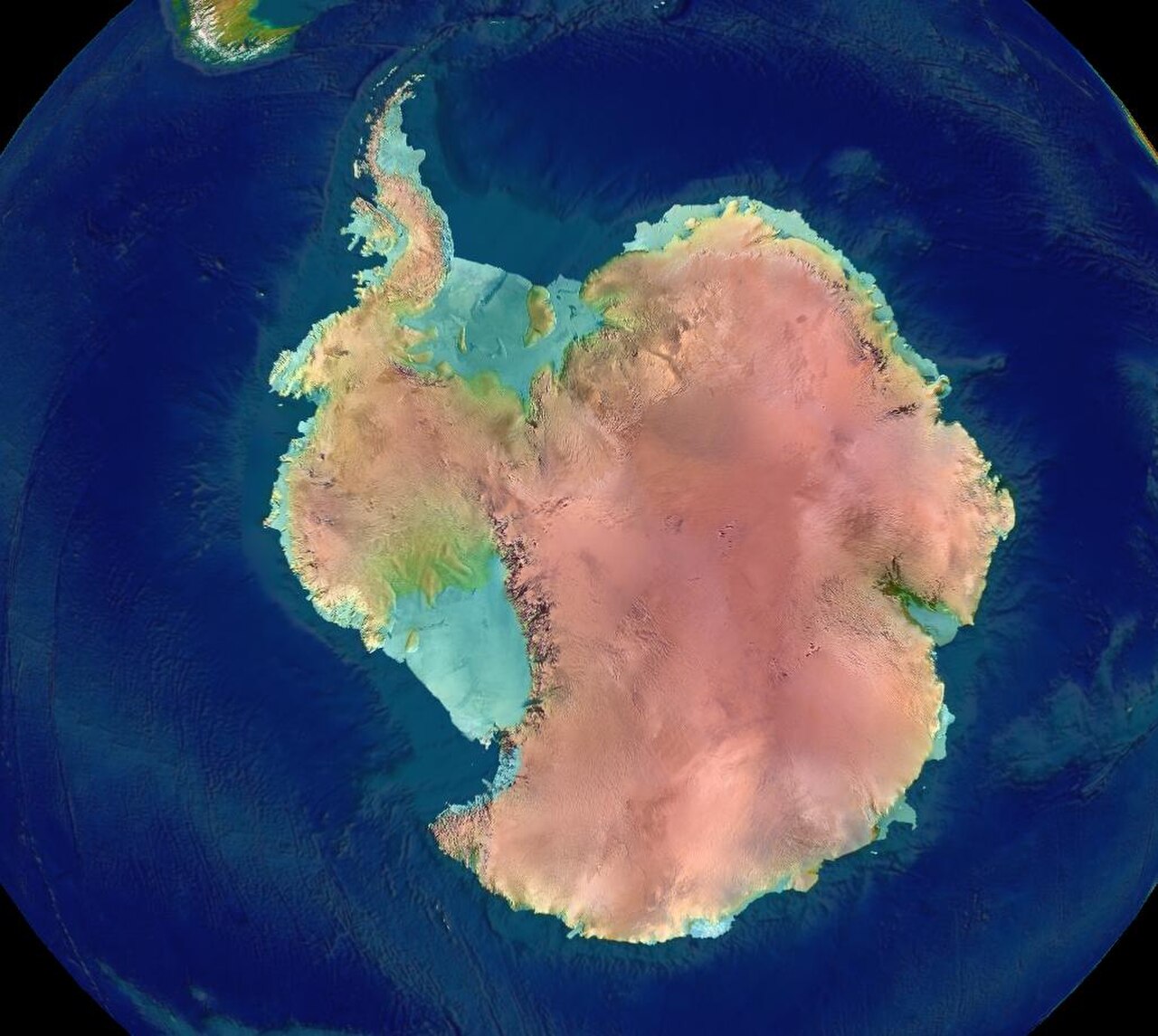
The Problem with Polar Time
- North Pole: No permanent inhabitants; sea ice
- South Pole: Amundsen-Scott Station (US)
- Convergence: All 24 time zones meet at each pole
- Solar Day: 6 months of daylight, 6 months of darkness
At the exact geographic poles, the Sun rises once a year (around the March equinox at the South Pole) and sets once a year (around the September equinox). The six months of continuous daylight are followed by six months of continuous darkness, with long twilight periods in between. Traditional timekeeping based on the Sun's position is impossible.
The absence of meaningful solar cues means that clock time at the poles is entirely arbitrary. There is no "local solar noon" at the pole, or rather, every moment is simultaneously solar noon for some meridian and solar midnight for the opposite one. Time zones are a meaningless concept applied to a point where all zones converge.
Antarctica's Time Zone Patchwork
- Amundsen-Scott (South Pole): New Zealand Time (UTC+12/+13)
- McMurdo Station (US): New Zealand Time (UTC+12/+13)
- Rothera Station (UK): UTC-3 (Chile time)
- Vostok Station (Russia): UTC+5 (Mawson time, despite being at ~107°E)
Antarctic research stations each choose their own time zone, typically aligning with their supply base or home country. The US Amundsen-Scott South Pole Station and McMurdo Station both use New Zealand Time because their supply flights originate from Christchurch, New Zealand.
Russia's Vostok Station, located deep in the East Antarctic interior at approximately 107°E longitude, uses UTC+5 to match Mawson Station, its historical supply partner, even though the local solar time would suggest UTC+7. France's Dumont d'Urville Station uses UTC+10 to match the longitude, while Argentina's stations use UTC-3 to match Buenos Aires.
The North Pole
- Permanent Stations: None (sea ice, not land)
- Drifting Camps: Used home-country time or UTC
- Submarines: Use UTC (Zulu time)
- Ice Breaker Tours: Use ship's time (varies)
Unlike Antarctica, the North Pole sits on sea ice over the Arctic Ocean, with no land beneath it. There are no permanent research stations at the North Pole, though drifting ice camps have been established periodically. These camps typically use the time zone of their home country or UTC.
Nuclear submarines passing under the North Pole use UTC (Zulu time), as does all military and aviation activity in the Arctic. Tourist ice-breaker cruises to the North Pole generally keep the time zone of their departure port, which might be Murmansk (UTC+3) or Svalbard (UTC+1).
Living Without Time Cues
- Winter Darkness: Up to 6 months without seeing the Sun
- Psychological Impact: Disrupted circadian rhythms, insomnia
- Light Therapy: Used at most polar stations
- Social Time: Meal schedules and work shifts provide structure
The biggest challenge of polar timekeeping isn't which zone to use but the absence of natural light cues. During the polar winter, station residents can go months without seeing the Sun. Circadian rhythms break down, leading to insomnia, depression, and cognitive difficulties known collectively as "polar T3 syndrome."
Most Antarctic stations maintain strict daily schedules with fixed meal times, work hours, and recreational periods to provide the temporal structure that the Sun no longer provides. Light therapy rooms with full-spectrum lights help maintain circadian rhythms, and some stations use gradually shifting light colors in common areas to simulate sunrise and sunset.
Crossing All Time Zones
- South Pole Walk: A few steps to cross all 24 zones
- Ceremonial Pole: Surrounded by flags of Antarctic Treaty nations
- Geographic vs. Ceremonial: The true pole shifts with ice movement
- Time Photo Op: Popular to photograph clocks from different zones
At the Amundsen-Scott South Pole Station, a marker indicates the geographic South Pole (updated annually as the ice sheet moves about 10 meters per year). Visitors can walk a small circle around this marker and technically pass through all 24 time zones in a matter of seconds.
A separate ceremonial pole, surrounded by the flags of the 12 original Antarctic Treaty nations, provides a popular photo opportunity. Some visitors bring watches set to different time zones and photograph them all being simultaneously "correct" at the pole. It is one of the few places on Earth where the arbitrary nature of time zones becomes physically tangible.
Key Facts
- All 24 time zones converge at each geographic pole.
- Antarctic stations choose their time zone based on supply logistics, not geography.
- The South Pole Station uses New Zealand Time because supply flights come from Christchurch.
- The Sun rises and sets only once per year at each pole.
- You can walk through all 24 time zones in seconds at the South Pole.
Fun Facts
- Russia's Vostok Station is at 107°E but uses UTC+5, roughly 2 hours off from its geographic time.
- The geographic South Pole marker moves about 10 meters per year as the ice sheet flows.
- During polar winter, station crews go months without seeing the Sun, often developing insomnia.
- Nuclear submarines under the North Pole use UTC regardless of which meridian they cross.
Final Thoughts
The poles are where the human invention of time zones meets its ultimate absurdity. When all meridians converge at a single point, the question "what time is it?" has no natural answer. The practical solutions adopted by polar stations, choosing a time zone based on supply routes or home countries, perfectly illustrate that time zones are tools for human coordination, not immutable features of the planet.
Test Your Knowledge!
Think you know your time zones? Try our interactive geography quiz!
Play Geography Games →