
Tucked along the Baltic Sea between Estonia and Lithuania, Latvia is a country where pine forests outnumber people and a folk-song tradition older than most nations still beats at the heart of national identity. It is a place of medieval spires and Soviet-era memory, of wild beaches and a capital studded with Art Nouveau facades. Here are ten genuinely fascinating facts that reveal why this small Baltic nation punches far above its weight.
1. More Than Half the Country Is Covered in Forest
Latvia is one of the greenest nations in Europe, with forests blanketing roughly 50 percent of its territory, a share that has been steadily growing for decades. Birch, pine, and spruce dominate a landscape so flat that its highest point, Gaiziņkalns, reaches only about 312 meters. This lowland terrain is laced with thousands of rivers and more than 2,000 lakes, while peat bogs and marshes add to the wild, untamed feel.
The abundance of woodland shapes daily life: foraging for wild mushrooms and berries in late summer is practically a national pastime, and timber remains a major export. For visitors used to crowded European capitals, the sheer emptiness of the Latvian countryside, with its endless tree lines and quiet wetlands, comes as a genuine surprise.
2. Riga Has the World's Greatest Concentration of Art Nouveau
The capital, Riga, holds a remarkable architectural distinction: it boasts one of the finest and densest collections of Art Nouveau (Jugendstil) buildings anywhere on the planet. More than a third of the buildings in central Riga were built in this ornate, early-20th-century style, their facades dripping with sculpted faces, mythical creatures, and flowing floral motifs.
Many were designed by Mikhail Eisenstein, father of the famous filmmaker Sergei Eisenstein. The whole historic center is a UNESCO World Heritage Site, blending these flamboyant facades with medieval guild houses and the soaring spire of St. Peter's Church. Strolling Alberta Street feels like walking through an open-air museum of European design at its most exuberant.
3. Latvian Is One of Only Two Surviving Baltic Languages
Latvian belongs to the Baltic branch of the Indo-European family, and along with Lithuanian it is one of just two living Baltic languages left in the world. Linguists treasure it because it retains many archaic features lost in other European tongues, offering a window into how ancient Indo-European may have sounded.
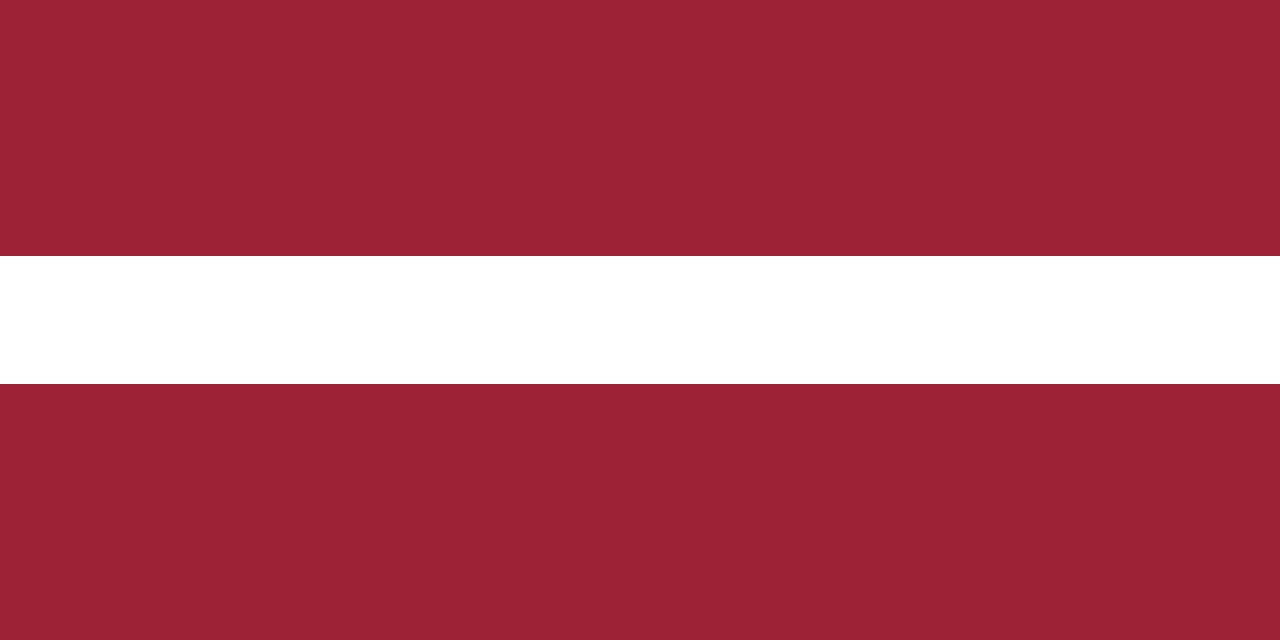
The language uses a Latin alphabet sprinkled with distinctive diacritical marks, and stress almost always falls on the first syllable. Despite decades of Russification under Soviet rule, Latvian endured and is now firmly the state language. To see how the nation expresses its identity visually, take a look at the Latvian flag, whose deep maroon-and-white design is among the oldest in the world.
4. The Song Festival Draws Tens of Thousands of Singers
Every five years, Latvia hosts one of the most extraordinary cultural events on Earth: the Latvian Song and Dance Festival. Tens of thousands of singers, dancers, and musicians gather in Riga, with a massed choir that can number well over ten thousand voices performing together as one.
This tradition dates back to 1873 and is so significant that UNESCO recognizes it as part of the Intangible Cultural Heritage of Humanity. The festival was also central to the "Singing Revolution" of the late 1980s, when Baltic peoples used song as a peaceful weapon against Soviet occupation. For Latvians, choral singing is not a hobby but a profound expression of national survival and unity.
5. Latvia Was a Founding Player in the Hanseatic League
Riga was founded in 1201 by the German bishop Albert of Buxhoeveden and quickly became a powerful trading hub. By the 13th century it had joined the Hanseatic League, the medieval commercial network that dominated Baltic and North Sea trade. This wealth funded the grand churches and merchant houses still standing today.
Over the following centuries, Latvian lands passed through the hands of German crusaders, Poles, Swedes, and Russians before the country finally declared independence in 1918. Independence was lost again to Soviet occupation in 1940, and Latvia did not regain full freedom until 1991. This layered history explains the country's rich blend of Germanic, Nordic, and Slavic influences.
6. The Baltic Coast Hides Europe's "Amber Gold"
Latvia's roughly 500 kilometers of Baltic coastline are famed for amber, the fossilized tree resin that Baltic peoples have traded for thousands of years. Washed ashore by winter storms, this golden treasure was so prized in antiquity that it traveled the "Amber Road" trade routes all the way to ancient Rome and Egypt.
Today amber remains a beloved symbol, sold as jewelry in every market and even used in traditional folk remedies. The seaside resort town of Jurmala, a short hop from Riga, stretches along white-sand beaches backed by pine forests and elegant wooden villas. Its long history as a spa destination makes it a favorite summer escape for Latvians and visitors alike.
7. Rye Bread Is Practically a National Treasure
Ask a Latvian about their cuisine and dark rye bread will come up almost immediately. Dense, sour, and intensely flavorful, rupjmaize has been baked for centuries and is woven deeply into the culture, even appearing in folk sayings and rituals. It is so cherished that emigrants often have it shipped abroad.
Other hearty staples reflect a cold northern climate and a love of preservation: smoked fish from the Baltic, grey peas with bacon (a contender for national dish), sauerkraut, and creamy soups. Forest bounty features heavily too, with mushrooms, lingonberries, and bilberries appearing in everything from sauces to desserts. Wash it all down with kvass, a fermented rye drink, or the herbal liqueur Riga Black Balsam.
8. Riga Black Balsam Is Older Than the United States
Speaking of that liqueur, Riga Black Balsam deserves its own fact. This jet-black herbal concoction, bottled in distinctive ceramic flasks, has been produced since the 18th century, predating the founding of many modern nations. Its closely guarded recipe blends dozens of natural ingredients, including herbs, roots, berries, and oils.
Legend claims it once cured Russian Empress Catherine the Great of an illness during a visit. Bitter and potent at around 45 percent alcohol, it is sipped neat as a digestif, mixed into cocktails, or stirred into hot coffee and tea to ward off the long Baltic winter. For many travelers, a bottle of Black Balsam is the quintessential Latvian souvenir.
9. Storks Nest on Rooftops Across the Countryside
Latvia is a paradise for birdwatchers, and few sights are more iconic than the white stork. The country hosts one of the highest densities of nesting white storks in Europe, with thousands of pairs building their enormous twig nests on chimneys, poles, and rooftops each spring. Locals consider them symbols of good luck and fertility.
Beyond storks, Latvia's vast forests and wetlands shelter lynx, wolves, beavers, and elk, while the Kemeri National Park bog draws migrating birds in spectacular numbers. With such low population density and so much protected wilderness, the country has become a stronghold for species that have vanished from more developed parts of the continent.
10. It Joined the Eurozone and Embraced Digital Innovation
For all its ancient traditions, modern Latvia is firmly forward-looking. It joined the European Union and NATO in 2004 and adopted the euro in 2014, anchoring itself in the heart of Europe after the Soviet era. The economy is service-driven, with a notably fast and inexpensive internet infrastructure ranking among the best in the world.
Riga has nurtured a growing tech and startup scene, and the country has produced internationally recognized companies. This combination of rapid digital progress and deep-rooted folk heritage gives Latvia a distinctive character: a nation that streams 5G in the city and forages for mushrooms in the forest, often on the very same weekend.
Frequently Asked Questions
What is the capital of Latvia?
The capital of Latvia is Riga, the largest city in the Baltic states with a metropolitan population approaching one million. Founded in 1201, it sits on the Daugava River near the Gulf of Riga and is renowned for its UNESCO-listed historic center and world-leading collection of Art Nouveau architecture.
What is Latvia famous for?
Latvia is famous for its lush forests, its Art Nouveau capital, and its powerful choral singing tradition celebrated at the massive Song and Dance Festival. It is also known for Baltic amber, dark rye bread, the herbal liqueur Riga Black Balsam, and its role in the peaceful Singing Revolution that helped end Soviet rule.
Is it true that storks nest on Latvian rooftops?
Yes. Latvia has one of the densest white stork populations in Europe, and the birds famously build their large nests on chimneys, utility poles, and rooftops across the countryside each spring. Latvians regard them as bringers of good fortune, and their arrival is a beloved annual sign that winter has ended.
Conclusion
From its forest-cloaked lowlands and amber-strewn coast to its singing crowds and stork-topped chimneys, Latvia is a country full of quiet wonders that reward the curious traveler. It blends ancient language and folk tradition with sleek digital modernity, proving that even Europe's smaller nations carry vast and surprising stories. These ten facts are only an invitation to explore one of the Baltic's most captivating corners.
