
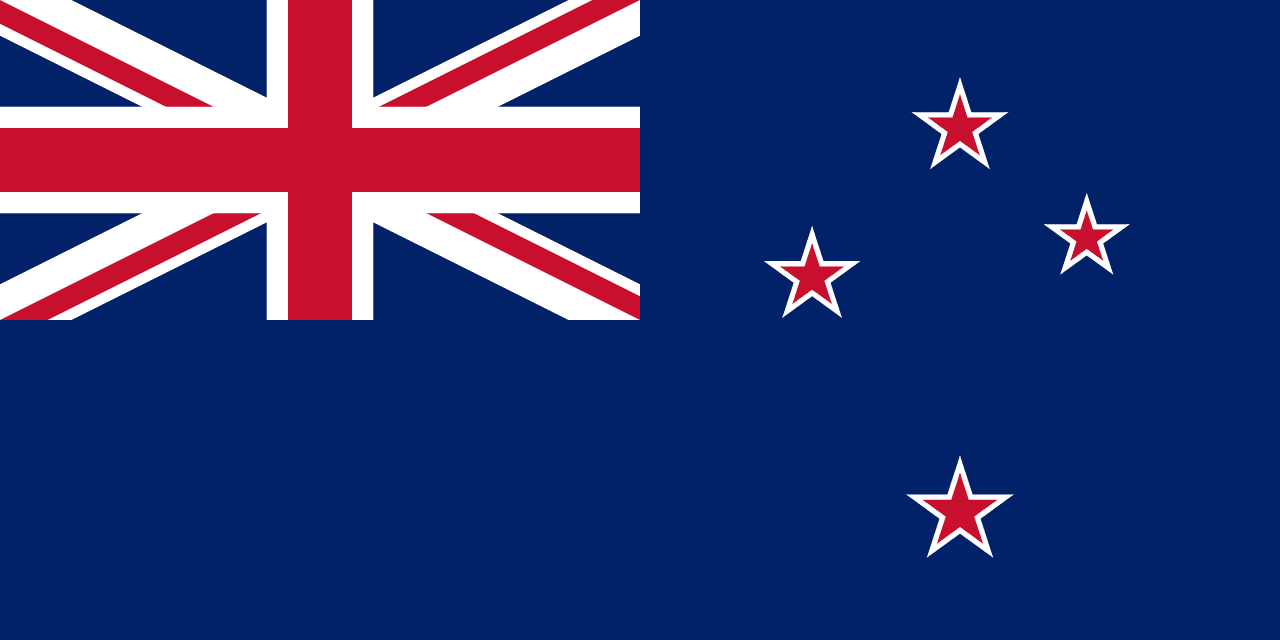
Tucked away in the southwestern Pacific, New Zealand is one of the most remote inhabited places on Earth, a nation of just over five million people who share their islands with glow-worm caves, flightless birds, and active volcanoes. It is a country where ancient Maori traditions sit alongside cutting-edge filmmaking, where you can ski in the morning and surf in the afternoon, and where the rugby team performs a war dance before every match. Here are ten genuinely fascinating facts that capture what makes Aotearoa so extraordinary.
1. It Was the Last Major Landmass Humans Reached
New Zealand holds the remarkable distinction of being one of the very last large habitable landmasses on the planet to be settled by people. Polynesian voyagers, the ancestors of today's Maori, arrived around the 13th century after navigating thousands of kilometres of open ocean in double-hulled canoes called waka, guided only by stars, swells, and birds. Europeans did not arrive until Dutch explorer Abel Tasman sighted the coast in 1642, and James Cook charted it in 1769. This late settlement means New Zealand's wildlife evolved for millions of years with almost no land mammals, producing some of the strangest creatures alive. For a fuller picture, see our country guide.
2. Two Main Islands, Wildly Different Landscapes
New Zealand is built around two large islands, sensibly named the North Island and the South Island, plus hundreds of smaller ones. The South Island is dominated by the Southern Alps, a snow-capped spine crowned by Aoraki / Mount Cook, the country's highest peak at roughly 3,724 metres. The North Island, by contrast, is a hotbed of geothermal activity, with bubbling mud pools, geysers, and active volcanoes around Rotorua and the central plateau. Squeezed into a country smaller than Japan, you will find fjords, glaciers, rainforests, golden beaches, and rolling farmland. The dramatic scenery famously stood in for Middle-earth in Peter Jackson's Lord of the Rings films.
3. Wellington Is the World's Southernmost Capital
Wellington, perched at the bottom of the North Island, is the most southerly capital city of any sovereign nation on Earth. Known affectionately as "Windy Wellington" for the gusts that funnel through the Cook Strait, it is a compact, hilly city renowned for its café culture, craft beer, and creative industries. Although Auckland is far larger and serves as the country's commercial powerhouse, Wellington has been the seat of government since 1865. It hosts Parliament, including the distinctive round building nicknamed the "Beehive," and the excellent national museum, Te Papa, which tells the story of the land and its people.
4. The Maori Language Is Officially Protected
New Zealand has three official languages: English, te reo Maori, and New Zealand Sign Language. Te reo Maori was declared an official language in 1987 after decades of decline, and revitalisation efforts now include Maori-language schools, broadcasting, and place names. You will hear Maori words woven into everyday speech, from kia ora (hello) to whanau (family). The country itself is increasingly called Aotearoa, often translated as "land of the long white cloud." This bilingual identity is a defining feature of modern New Zealand and reflects an ongoing commitment to honouring the nation's indigenous heritage.
5. The First Country to Give Women the Vote
In 1893, New Zealand became the first self-governing nation in the world to grant women the right to vote in parliamentary elections. The campaign, led by suffragist Kate Sheppard, gathered a monster petition signed by nearly a quarter of the country's adult women. Sheppard's image now appears on the ten-dollar note, a fitting tribute to a milestone that placed New Zealand decades ahead of most of the world. The country has continued that trailblazing tradition, having elected multiple female prime ministers and consistently ranking among the world's least corrupt and most democratic nations.
6. Sheep Vastly Outnumber People
New Zealand's reputation as a land of sheep is well earned. While the ratio has fallen over the decades, there are still roughly five sheep for every person, and at peak in the 1980s the figure was over twenty to one. Agriculture remains central to the economy, with dairy, lamb, beef, and wool among the leading exports. The lush, temperate pastures created by abundant rainfall make ideal grazing land, and New Zealand's grass-fed farming model has become a selling point in global markets. Alongside farming, tourism and a growing tech and film sector round out one of the world's most stable developed economies.
7. Home to Birds That Forgot How to Fly
Because New Zealand had no native land predators for millions of years, many of its birds evolved without the need to fly. The most famous is the kiwi, a nocturnal, chicken-sized bird with hair-like feathers and nostrils at the tip of its long beak. It is so beloved that New Zealanders call themselves "Kiwis." The country was also once home to the moa, a giant flightless bird up to 3.6 metres tall, now extinct. Other unique residents include the kakapo, the world's only flightless parrot, and the tuatara, a reptile often called a "living fossil" because it has barely changed in over 200 million years.
8. Adventure Sports Were Practically Invented Here
New Zealand is widely regarded as the birthplace of commercial bungy jumping. In 1988, A.J. Hackett and Henry van Asch opened the world's first commercial jump site at the Kawarau Bridge near Queenstown, and the adrenaline industry exploded from there. Queenstown is now considered the adventure capital of the world, offering jet boating, skydiving, white-water rafting, and skiing. The national obsession with the outdoors is matched by a fierce love of rugby. The All Blacks are among the most successful sports teams in history, famous worldwide for performing the haka, a Maori ceremonial challenge, before every international match.
9. Milford Sound and the Fiordland Wilderness
The southwest corner of the South Island holds Fiordland National Park, a vast wilderness of glacier-carved valleys and waterfalls. Its jewel is Milford Sound, a fjord where sheer cliffs plunge into dark water and Mitre Peak rises almost vertically from the sea. Rudyard Kipling reportedly called it the "eighth wonder of the world." The region is one of the wettest inhabited places on the planet, with rainfall that feeds hundreds of temporary waterfalls cascading down the rock faces after a storm. Together with surrounding parks, this dramatic landscape forms a UNESCO World Heritage Area covering a significant slice of the country.
10. Pavlova, Hangi, and a Beloved Spread
New Zealand's food tells the story of its land and cultures. The pavlova, a meringue dessert topped with cream and fresh fruit like kiwifruit, is a national favourite, though Australia famously disputes who invented it. Traditional Maori cooking includes the hangi, in which food is slow-cooked in an earth oven heated by hot stones, giving meat and vegetables a distinctive smoky flavour. Other staples include savoury meat pies, fresh seafood such as green-lipped mussels, and Marmite-style spreads. You can also explore the symbolism behind the nation's banner in our piece on the New Zealand flag.
Frequently Asked Questions
What is the capital of New Zealand?
The capital of New Zealand is Wellington, located at the southern tip of the North Island. It is the world's southernmost capital city and has been the seat of government since 1865, home to Parliament and the famous "Beehive" executive building. Auckland is larger and more commercially important, but Wellington remains the political and cultural heart of the nation.
What is New Zealand famous for?
New Zealand is famous for its breathtaking and varied landscapes, from the Southern Alps to fjords like Milford Sound, which served as the backdrop for the Lord of the Rings films. It is also renowned for the All Blacks rugby team and their haka, the flightless kiwi bird, Maori culture, adventure sports such as bungy jumping, and being the first country to give women the vote.
Why do New Zealanders call themselves Kiwis?
The nickname comes from the kiwi, a small, flightless, nocturnal bird that is native to New Zealand and found nowhere else in the wild. The bird is a national symbol, appearing on coins, military insignia, and the national rugby league team's emblem. Calling themselves "Kiwis" is a point of pride, though it should not be confused with kiwifruit, which is a separate (and delicious) export.
Conclusion
From flightless birds and living-fossil reptiles to towering fjords and a fearless love of adventure, New Zealand packs an astonishing amount of wonder into two small islands at the edge of the world. Its blend of Maori heritage and progressive milestones gives it a character all its own. These ten facts are just the beginning, so keep exploring this remarkable corner of the South Pacific.