
South Korea packs an astonishing amount of energy, history, and innovation into a peninsula barely the size of the U.S. state of Indiana. In just a few decades it transformed from one of the poorest nations on Earth into a global powerhouse of technology, music, and cinema. Here are ten genuinely fascinating facts that reveal why this East Asian dynamo captures the imagination of so many.
1. Around 70 Percent of the Country Is Mountainous
Despite its reputation for glittering skyscrapers, South Korea is overwhelmingly rugged. Roughly 70 percent of the land is covered by mountains, forcing nearly the entire population of about 51.6 million people to crowd into the narrow valleys and coastal plains. This is why Korean cities grow upward in dense forests of high-rise apartments rather than sprawling outward. The Taebaek Mountains run like a spine down the eastern side of the peninsula, while the highest peak, Hallasan, is actually a dormant volcano on the southern island of Jeju, rising 1,947 meters above the sea. Centuries of terraced rice farming on these slopes shaped both the landscape and the famously hard-working national character.
2. Seoul Is One of the Largest Metropolitan Areas on Earth
Seoul, the capital, sits on the Han River and serves as the political, economic, and cultural heart of the nation. The city proper holds nearly 10 million residents, but the greater Seoul Capital Area is home to over half of all South Koreans, making it one of the most populous metropolitan regions in the world. It blends 600-year-old royal palaces with neon-lit shopping districts and the world's fastest internet. Bisected by 27 bridges over the Han, Seoul fuses ancient and ultramodern in a way few cities manage. Learn more in our country guide, which dives deeper into the nation's regions and cities.
3. Korean Uses Hangul, a Scientifically Designed Alphabet
Korean is the official language, but its writing system is a marvel of human ingenuity. Hangul was created in the 15th century under King Sejong the Great, who wanted ordinary people to be able to read and write rather than rely on complicated Chinese characters. Instead of evolving haphazardly over centuries, Hangul was deliberately engineered: its consonant shapes mimic the position of the tongue, lips, and throat when making each sound. Linguists routinely praise it as one of the most logical alphabets ever devised, and it can be learned in a matter of hours. South Korea even celebrates Hangul Day as a national holiday every October 9th.
4. The "Miracle on the Han River" Reshaped the World Economy
After the devastation of the Korean War in the 1950s, South Korea was poorer than many African nations. Within a single generation it engineered one of the most dramatic economic turnarounds in history, a transformation nicknamed the "Miracle on the Han River." Today it boasts one of the world's largest economies, anchored by giant family-run conglomerates known as chaebol such as Samsung, Hyundai, and LG. Samsung alone accounts for a significant slice of national exports, and South Korea is a leading producer of semiconductors, smartphones, ships, and cars. This relentless drive turned a war-torn country into a high-tech leader admired and studied around the globe.
5. The Korean Wave (Hallyu) Conquered Global Pop Culture
Few countries have exported their culture as successfully as South Korea. The phenomenon known as Hallyu, or the Korean Wave, has swept K-pop, television dramas, and film into living rooms worldwide. Groups like BTS and BLACKPINK fill stadiums on every continent, while the film Parasite made history in 2020 as the first non-English-language movie to win the Academy Award for Best Picture. The Netflix series Squid Game became one of the most-watched shows ever made. This soft-power explosion has boosted tourism, fashion, beauty products, and even the global appetite for learning the Korean language.
6. Kimchi Is a National Obsession With Hundreds of Varieties
Food sits at the very center of Korean identity, and no dish is more iconic than kimchi, the fiery fermented cabbage served at nearly every meal. There are reportedly hundreds of regional and seasonal varieties, made not only from napa cabbage but also radish, cucumber, and other vegetables. Families traditionally gather each autumn for kimjang, the communal making of winter kimchi, a custom recognized by UNESCO as intangible cultural heritage. Beyond kimchi, Korean cuisine dazzles with sizzling barbecue, bibimbap, spicy tteokbokki rice cakes, and a vibrant street-food culture. Meals are communal affairs built around shared side dishes called banchan.
7. The DMZ Is the World's Most Heavily Fortified Border
The Korean Demilitarized Zone, or DMZ, slices across the peninsula near the 38th parallel, separating South Korea from North Korea. Established at the end of the Korean War in 1953, it stretches about 250 kilometers and is roughly 4 kilometers wide. Ironically, this tense buffer zone has become an accidental nature reserve: because humans have largely stayed out for decades, rare wildlife including cranes and possibly the endangered Amur leopard now thrive there. The two Koreas technically remain at war, as the conflict ended in an armistice rather than a peace treaty, making the DMZ one of the most poignant and surreal places on Earth.
8. South Korea Is the Most Wired Nation on the Planet
South Korea consistently ranks among the global leaders in internet speed and connectivity. It was one of the first countries to roll out commercial 5G networks, and free public Wi-Fi blankets buses, subways, and cafes. This digital saturation fuels a thriving culture of online gaming, where professional e-sports players are treated like celebrities and tournaments fill arenas. The country's tech obsession extends to everyday life: cashless payments, smart appliances, and delivery apps are ubiquitous. This embrace of cutting-edge technology is a direct legacy of the economic miracle, with the government deliberately investing in broadband infrastructure to leapfrog older industrial models.
9. Jeju Island Is a Volcanic Wonderland of Female Free Divers
Off the southern coast lies Jeju, a subtropical volcanic island often called the "Hawaii of Korea." Formed by ancient eruptions, it features lava tubes, waterfalls, and the towering peak of Hallasan, and it is recognized by UNESCO for its natural heritage. Jeju is also home to the haenyeo, legendary women free divers who plunge into the cold sea without oxygen tanks to harvest shellfish and seaweed. Many are now in their 60s, 70s, and even 80s, and their matriarchal diving tradition is also protected by UNESCO. A honeymoon and holiday hotspot, Jeju showcases a softer, wilder side of Korea far from the urban rush.
10. Age and Etiquette Follow Unique Korean Rules
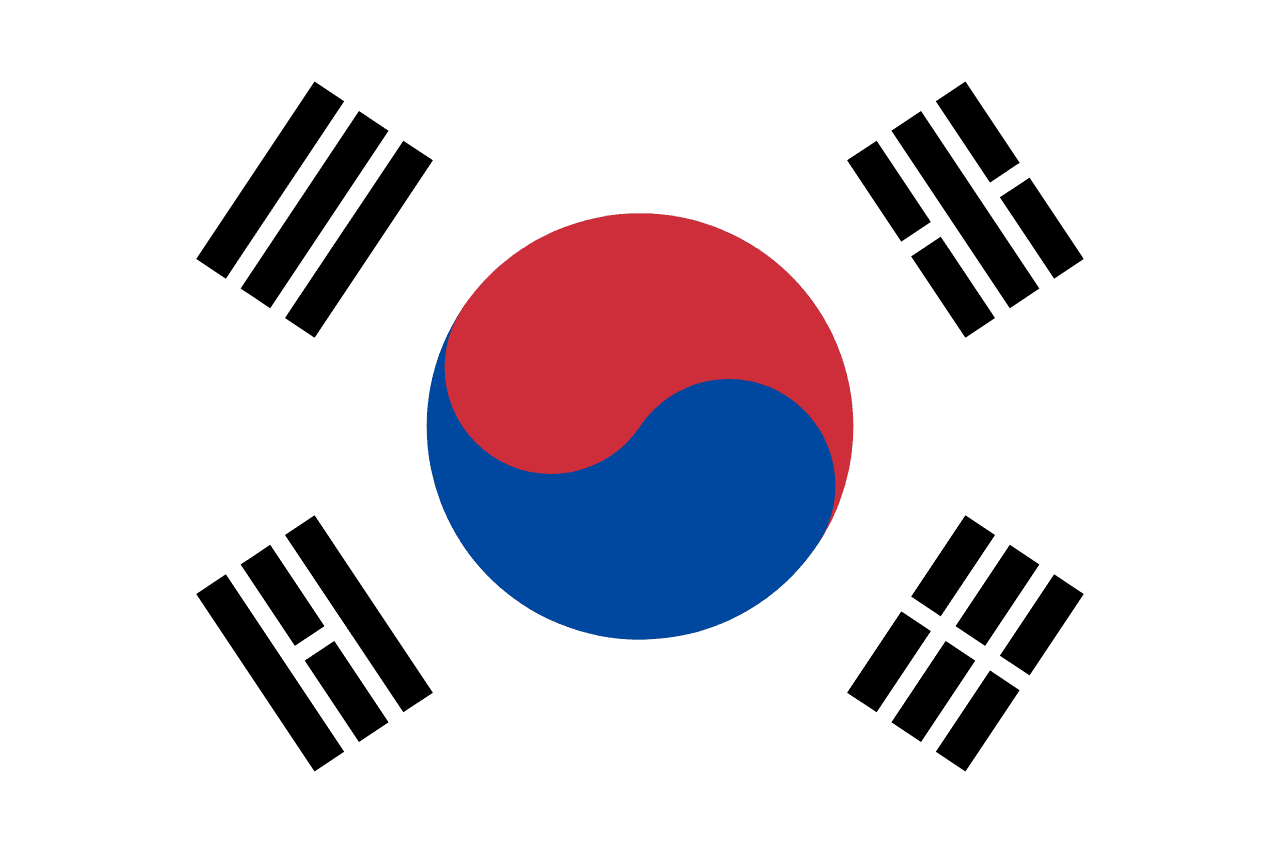
Korean culture places deep importance on age, hierarchy, and respect, shaped by centuries of Confucian tradition. Until recently, Koreans famously counted age differently from most of the world: a baby was considered one year old at birth and everyone aged a year on New Year's Day, meaning a person could be a year or two "older" in Korean reckoning. The country has gradually moved to standardize the international system. Respect for elders is woven into the language itself, which has multiple levels of formality. The red, white, and blue national symbol is explained in our piece on the South Korean flag, whose central taeguk represents cosmic balance.
Frequently Asked Questions
What is the capital of South Korea?
The capital of South Korea is Seoul, a vast metropolis on the Han River. It is the country's political, financial, and cultural center, and its greater metropolitan area houses more than half of the nation's roughly 51.6 million people.
What is South Korea most famous for?
South Korea is best known for its booming pop culture exports, collectively called Hallyu, including K-pop superstars like BTS, hit dramas, and Oscar-winning films. It is also famous for tech giants such as Samsung and Hyundai, for kimchi and Korean barbecue, and for its rapid rise from poverty to prosperity.
Why do Koreans calculate age differently?
Traditional "Korean age" counted a newborn as one year old and added a year to everyone on New Year's Day, a custom rooted in older East Asian thinking. This could make people one or two years older than their international age, though the country has recently shifted toward the global standard for official purposes.
Conclusion
From its mountain-folded landscapes and accidental DMZ wilderness to chart-topping pop stars and the world's fastest internet, South Korea is a country of breathtaking contrasts. It honors ancient palaces and Confucian traditions while sprinting headlong into the future. These ten facts only hint at the depth of a nation that turned hardship into one of the great success stories of the modern age, and there is always more to discover.