
Venezuela is a country of staggering extremes, where the world's tallest waterfall plunges from a flat-topped mountain straight out of a lost world, and where lightning flickers almost nightly above a single lake like a natural lighthouse. Sitting at the top of South America with a Caribbean coastline, Andean peaks, and vast tropical plains, it packs an astonishing variety of landscapes into one nation. Here are ten fascinating facts that reveal why this country captures the imagination of geographers and travelers alike.
1. Home to the World's Highest Waterfall
Venezuela's most famous landmark is Angel Falls, known locally as Salto Ángel or Kerepakupai Merú. Plunging roughly 979 meters (about 3,212 feet) from the edge of Auyán-tepui, it is the tallest uninterrupted waterfall on Earth, nearly 20 times the height of Niagara. The water falls so far that much of it dissolves into mist before reaching the bottom during the dry season. The falls take their English name from American aviator Jimmie Angel, who crash-landed his plane on the tepui's summit in 1937. Tucked deep within Canaima National Park, the falls can usually only be reached by river boat and a jungle hike, making the journey itself an unforgettable adventure.
2. The Andes, the Caribbean, and the Amazon All at Once
Few countries offer such dramatic geographic range. In the west, the Andes rise to Pico Bolívar at around 4,978 meters, capped with the country's last shrinking glaciers. To the north stretches a sun-soaked Caribbean coastline dotted with islands like Margarita. The vast Llanos grasslands flood and dry with the seasons across the country's center, while the south dissolves into Amazon rainforest and the ancient sandstone tepuis of the Guiana Highlands. The mighty Orinoco River, one of the largest in the world by volume, threads through it all. Learn more in our country guide.
3. Lake Maracaibo and Its Everlasting Lightning
Over the spot where the Catatumbo River meets Lake Maracaibo, an extraordinary phenomenon unfolds. The Catatumbo lightning storms light up the night sky as often as 250 to 300 nights per year, sometimes producing tens of thousands of flashes in a single evening. The unique combination of warm lake waters, cool mountain air funneling down from the Andes, and methane rising from marshlands creates a near-perpetual electrical display. It is so reliable that sailors historically used it as a natural navigation beacon, and the region holds a Guinness World Record for the highest concentration of lightning on the planet.
4. Caracas: A Capital in a Mountain Valley
Venezuela's capital, Caracas, sprawls across a long, narrow valley at roughly 900 meters above sea level, cradled by the lush green wall of the Ávila mountain range. That elevation gives the city a pleasant, spring-like climate year-round despite its tropical latitude. Founded in 1567, Caracas grew into the country's political, financial, and cultural heart. A cable car and hiking trails carry residents up Ávila for sweeping views, with the Caribbean Sea visible on the far side of the ridge. The city is also the birthplace of Simón Bolívar, the independence hero whose legacy looms over the entire nation.
5. A Nation of Roughly 28 Million People
Venezuela is home to around 28 million people, the vast majority of whom live in cities clustered along the northern coast and Andean foothills. The population is a vibrant blend of Indigenous, European, African, and mixed heritage, reflecting centuries of migration and cultural exchange. In recent years, the country has experienced one of the largest human displacements in modern history, with millions of Venezuelans emigrating across South America and beyond. Despite these challenges, Venezuelans are renowned for their warmth, humor, resilience, and deep sense of national pride that travels with them wherever they settle.
6. Spanish Plus Dozens of Indigenous Languages
Spanish is the official and dominant language, spoken with a distinctive musical Caribbean rhythm full of slang and affectionate diminutives. But Venezuela's 1999 constitution also recognizes the languages of its Indigenous peoples as official within their territories. More than 30 native languages survive, including Wayuu, Warao, Pemón, and Yanomami, spoken by communities in the deserts of the northwest, the Orinoco Delta, and the deep Amazon. This linguistic diversity is a living reminder that long before European arrival, the land was home to rich and varied cultures whose traditions endure today.
7. The Land Atop the World's Largest Oil Reserves
Venezuela sits on the largest proven crude oil reserves of any country on Earth, much of it locked in the heavy, tar-like deposits of the Orinoco Belt. Oil transformed the nation in the 20th century, funding rapid modernization and once making it one of the wealthiest countries in Latin America. However, heavy dependence on a single commodity left the economy vulnerable, and recent decades have brought severe economic turmoil, hyperinflation, and hardship. The story of Venezuela's oil is a powerful lesson in how natural abundance can shape, and sometimes complicate, a nation's destiny.
8. Arepas, Pabellón, and a Beloved Cuisine
Venezuelan food revolves around the humble arepa, a round cornmeal cake that is grilled, baked, or fried and split open to hold endless fillings, from shredded beef to cheese, black beans, or avocado. Eaten morning, noon, and night, it is practically a national symbol. The classic dish pabellón criollo brings together shredded beef, rice, black beans, and fried sweet plantains on one plate, mirroring the colors of the population's diverse roots. Other favorites include cachapas (sweet corn pancakes) and, at Christmas, the labor-intensive hallaca, a cornmeal parcel wrapped and steamed in plantain leaves.
9. Baseball Reigns Supreme
While most of South America lives for football, Venezuela is a baseball nation through and through. The sport arrived with the oil industry in the early 20th century and quickly became a national obsession. Venezuela has produced a remarkable number of Major League Baseball stars, and its professional winter league draws passionate, drum-pounding crowds. The country has also celebrated international beauty pageant triumphs and a proud Olympic and chess heritage. From sandlots to packed stadiums, sport offers a unifying source of joy and identity that has carried Venezuelan talent onto the world stage.
10. Tepuis: Islands in the Sky
Scattered across southeastern Venezuela are the tepuis, colossal flat-topped mountains with sheer vertical cliffs rising abruptly from the surrounding jungle. These are among the oldest rock formations on Earth, remnants of an ancient sandstone plateau. Isolated for millions of years, their misty summits evolved into unique ecosystems harboring plants and creatures found nowhere else, including curious carnivorous flora. Mount Roraima, shared with Brazil and Guyana, is the most famous and is said to have inspired Arthur Conan Doyle's novel The Lost World. They look exactly like what they are: islands in the sky.
Frequently Asked Questions
What is the capital of Venezuela?
The capital of Venezuela is Caracas, located in a mountain valley near the Caribbean coast at about 900 meters above sea level. Founded in 1567, it serves as the country's political, economic, and cultural center and is the birthplace of independence hero Simón Bolívar.
What is Venezuela famous for?
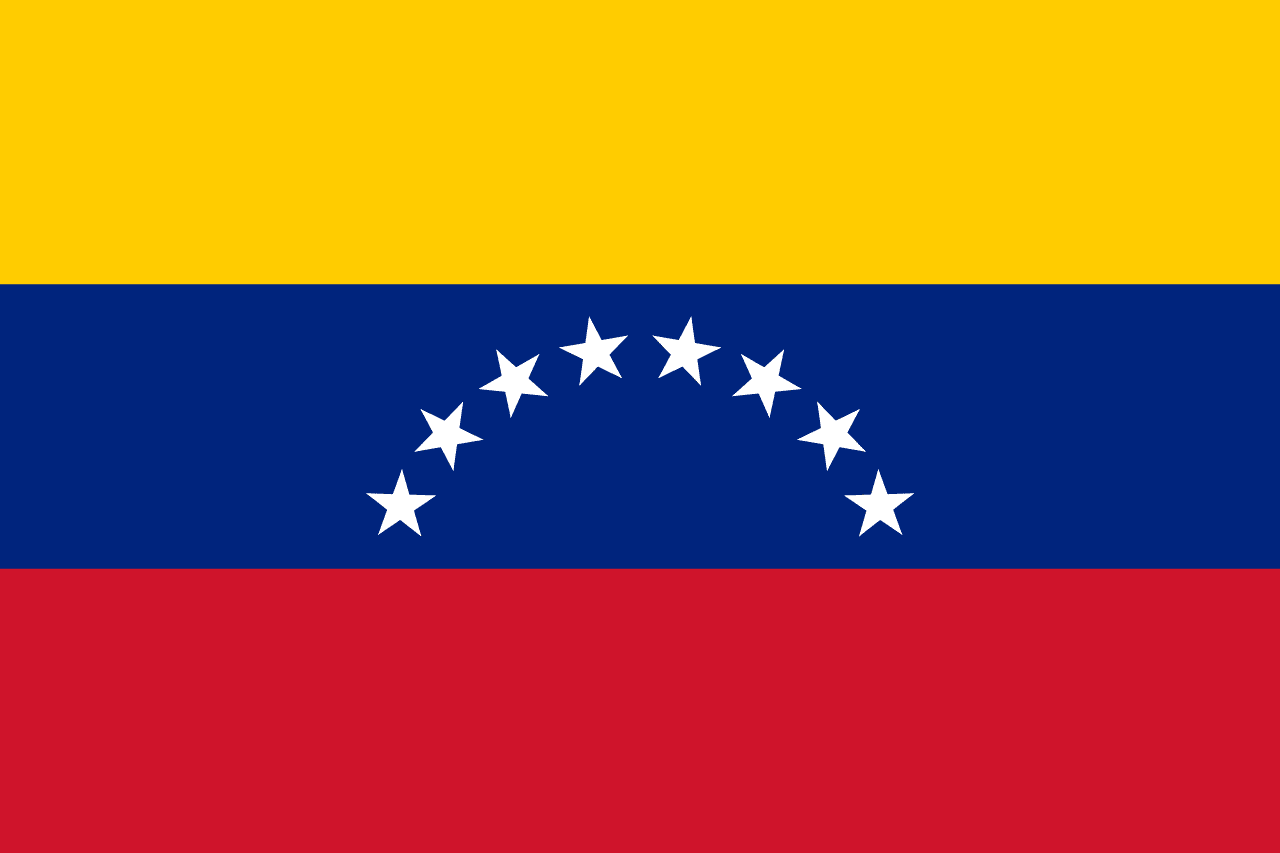
Venezuela is famous for Angel Falls, the world's tallest waterfall, as well as the table-top tepui mountains, the relentless Catatumbo lightning over Lake Maracaibo, the largest oil reserves on Earth, and a passionate baseball culture. You can also explore the colors and symbolism of the national flag.
Why does lightning strike the same place so often in Venezuela?
Over Lake Maracaibo, warm humid lake air collides with cool winds descending from the Andes, while methane from surrounding marshes adds to the mix. This perfect combination triggers near-nightly thunderstorms, earning the region a world record for the highest concentration of lightning anywhere.
Conclusion
From sky-high waterfalls and lightning-lit lakes to ancient mountains and beloved arepas, Venezuela is a country that constantly surprises. Its natural wonders are matched by the warmth and resilience of its people, who carry their culture proudly across the globe. These ten facts only scratch the surface, and there is always more to discover about this extraordinary corner of South America.