
Colombia is South America's 4th-largest country (1,141,748 km²) with population of 52 million — making it the third-most-populous country in Latin America. The country occupies the northwestern corner of South America with two coastlines (the Caribbean Sea to the north — 1,760 km of coastline, and the Pacific Ocean to the west — 1,448 km), borders with Panama (north), Venezuela (northeast), Brazil (east), Peru (south), Ecuador (southwest), and a small Pacific border with Nicaragua. Colombia is one of the most climatically interesting countries in South America because of its tropical equator location combined with extreme altitude variation — the country contains all five climate zones (tropical lowland, savannah, temperate, alpine, polar/glacial) at different elevations. The famous Andes Mountains split into three parallel ranges as they enter Colombia from the south (the Cordilleras Oriental, Central, and Occidental), producing dramatic vertical climate zones. Colombia is one of the world's most biologically diverse countries (the world's 2nd-most biodiverse country by some measures, despite being just 1% of Earth's land area — Colombia holds 14% of Earth's species and the world's largest variety of birds at 1,950+ species).
Colombia's modern reputation has been transformed dramatically over the past 25 years. The country emerged from decades of internal armed conflict involving FARC and ELN guerrillas, paramilitary groups, and the famous cocaine cartels of the 1980s-90s (Pablo Escobar's Medellín Cartel and the Cali Cartel made Colombia synonymous with cocaine trafficking and violence). The famous 2016 peace agreement with FARC, combined with massive infrastructure investment and improved security, has made Colombia one of South America's fastest-growing tourism destinations. The country now ranks among the safest in Latin America for most major destinations, with security concerns remaining only in specific border and rural areas (verify current US State Department travel advisories).
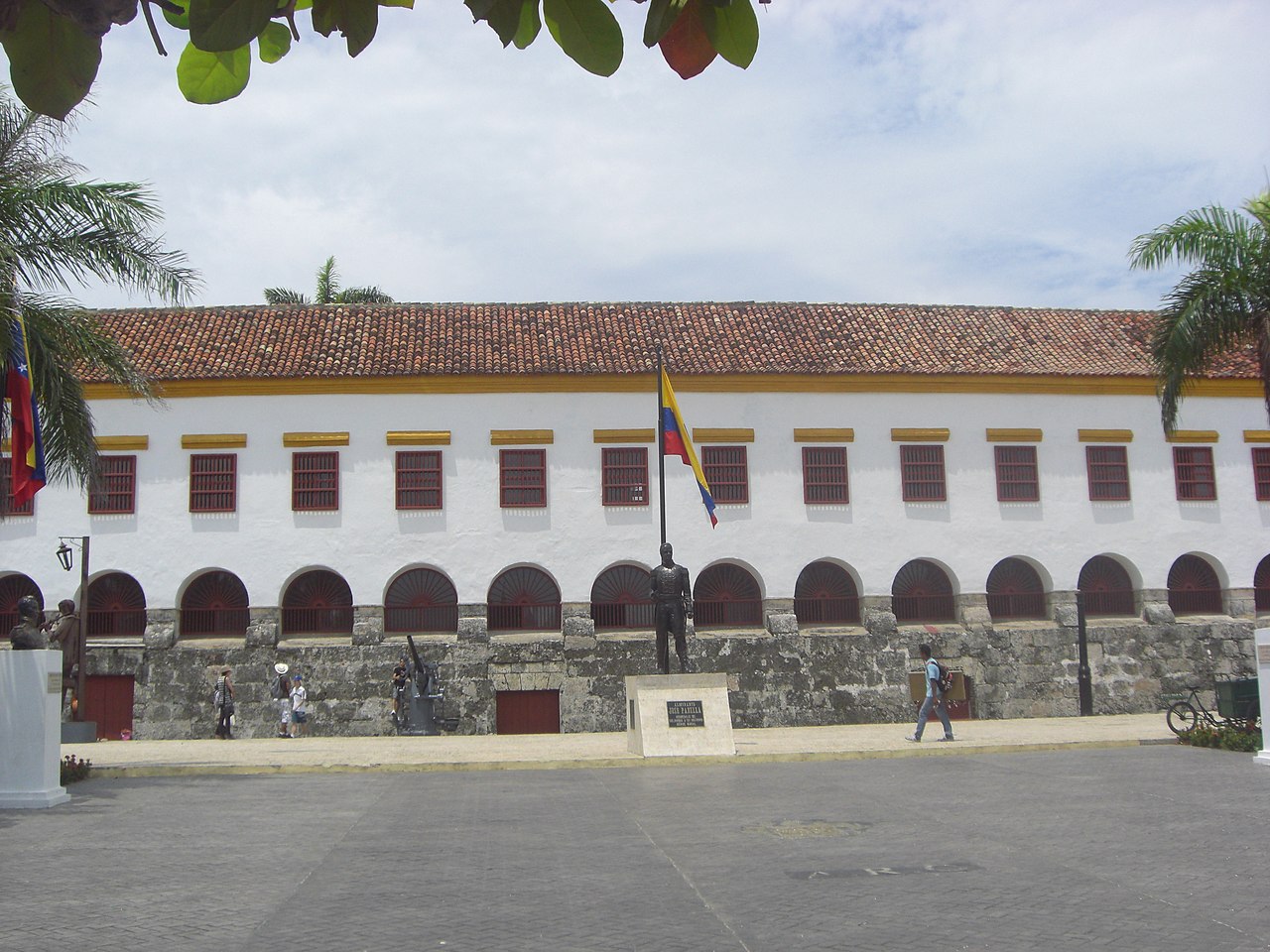
Major destinations include Cartagena (UNESCO World Heritage — the famous walled colonial city on the Caribbean coast, with the famous Ciudad Amurallada — the historic walled city with extensive 16th-century Spanish colonial architecture, the famous Plaza de Bolívar, Plaza de los Coches, the famous Convento de Santa Cruz de La Popa fortress overlooking the city, the famous Castillo de San Felipe de Barajas, and the famous Getsemaní neighborhood — once a working-class district, now the famous hip cultural quarter with extensive street art), Medellín (the famous "City of Eternal Spring" — population 2.5 million in the Aburrá Valley at 1,495 m elevation, with the famous Metrocable cable car system serving hillside neighborhoods, the famous Comuna 13 — once the world's most dangerous neighborhood, now a major tourism destination featuring extensive graffiti murals and an outdoor electric escalator, the famous Plaza Botero with sculptures by Fernando Botero, the famous Pueblito Paisa colonial-village recreation, and proximity to Guatapé and El Peñón rock), Bogotá (the capital at 2,640 m elevation — South America's third-largest city at 8 million, with the famous Gold Museum housing the largest pre-Hispanic gold collection in the world, La Candelaria historic district, the famous Cerro de Monserrate funicular, the famous Sunday Ciclovía — when 121 km of city roads close to cars), the famous Coffee Region (Zona Cafetera) — with Salento, Filandia, Manizales, Pereira and the famous Cocora Valley featuring the world's tallest palm trees (the Quindío wax palm reaches 60 m), Tayrona National Park (the famous Caribbean coast park with the famous Cabo San Juan beach), the famous Lost City (Ciudad Perdida) — the famous pre-Columbian archaeological site requiring 4-6 day jungle trek, Cartagena's Rosario Islands (the famous archipelago for beach day trips), Santa Marta (the famous oldest surviving Spanish-founded city in mainland South America, founded 1525), San Andrés and Providencia (the famous Caribbean islands), the famous Caño Cristales (the famous "River of Five Colors" — accessible June-November), the famous Amazon city of Leticia (in the famous Amazon Basin where Colombia, Brazil, and Peru meet), Villa de Leyva (the famous colonial town near Bogotá), the famous Guatapé and El Peñón de Guatapé (the famous monolithic rock with 740 steps to the summit and views of the famous reservoir landscape), and the famous Caño Cristales (in Sierra de la Macarena, accessible June-November).
Quick verdict
Best overall: December through March (the famous "verano" longest dry season — peak tourism with reliable weather across most of Colombia).
Best for Cartagena, Santa Marta, Tayrona, and the Caribbean coast: December through April (dry season — minimal rain, warm sunny days).
Best for Medellín: Year-round (the famous "eternal spring" at 22 °C year-round); the famous Flower Festival in early August adds special draw.
Best for Bogotá: December-March (drier season for the high-altitude capital).
Best for the Coffee Region (Zona Cafetera) and Cocora Valley: December-March and July-August (two dry windows).
Best for the famous Lost City (Ciudad Perdida) trek: December-March (driest months for the 4-6 day jungle trek).
Best for the famous Caño Cristales "River of Five Colors": June-November (the only months when the famous Macarenia clavigera river plant displays its red color — water levels must be precise).
Best for Amazon high-water season (Leticia): April-July (flooded forest exploration).
Best for Amazon low-water season: October-March (walking trails accessible).
Best for the famous Carnival of Barranquilla (UNESCO Intangible Cultural Heritage — South America's second-largest carnival after Rio): 4 days before Ash Wednesday (typically February).
Best for the famous Medellín Flower Festival (Feria de las Flores): Early August (10-day festival with the famous "silleteros" flower-back parade).
Best for Cartagena Independence Day (the famous "Las Fiestas de la Independencia"): November 11.
Best for the famous Hay Festival Cartagena (major literary festival): Late January-early February.
Best for whale watching off the Pacific coast (humpback whales at the famous Nuquí and Bahía Solano): July-October.
Best for budget travelers: September-November (wet season but significantly cheaper accommodation rates).
Avoid if you can: April-May and October-November in Coffee Region (heaviest rain affecting trail access); Pacific coast year-round if avoiding rain (the Pacific coast is one of the wettest regions on Earth with rain most months); active conflict areas (check current US State Department advisories before visiting border regions).
Two dry seasons (December-March and July-August)
Most of Colombia has two dry seasons — the "verano" of December-March (longer and more reliable) and a shorter "verano" of July-August. These align with peak tourism. December-March sees peak operation — Cartagena, Santa Marta, and the Caribbean coast at their warm-dry best, the Coffee Region with reliable weather for coffee farm tours and Cocora Valley hiking, Bogotá with reduced rain. Hotel rates climb 30-50% during Christmas-New Year and Holy Week (Easter).
July-August is the second dry window. The famous Medellín Flower Festival happens in early August (10-day festival featuring the famous "silleteros" — local farmers who carry elaborate flower arrangements on their backs in the famous "Desfile de Silleteros" parade — extensive concerts, equine parades, and the famous Antiochian cultural celebration). The Coffee Region is again at peak conditions. Caribbean coast remains warm and dry though slightly less reliably than December-March.
Wet seasons (April-May and September-November)
Two wet seasons interrupt the dry periods. April-May and September-November see significantly more rain. Coffee Region and Andean areas can have daily afternoon showers (typically 2-5 PM). The Pacific coast is wet most of the year regardless of season. The compensation: lowest prices, dramatic green landscapes, fewer crowds, and the famous Amazon high-water season (April-July) provides distinctive flooded-forest exploration via canoe.
The famous Caño Cristales river (in Sierra de la Macarena National Park, accessed from La Macarena town) is only viewable June-November when the river's Macarenia clavigera plant displays its famous red color in clear water at just the right depth — too much or too little water, or wrong time of year, and the famous "river of five colors" phenomenon doesn't appear.
Altitude-based climate by region
Cartagena, Santa Marta, Caribbean coast (sea level): 28-32 °C year-round, peak December-April.
Medellín (1,495 m): 18-25 °C year-round eternal spring; year-round optimal with August festival peak.
Bogotá (2,640 m): 6-19 °C year-round; cool but rarely cold; December-March drier.
Coffee Region (Salento, Manizales, 1,200-2,000 m): 14-24 °C; December-March and July-August optimal.
San Andrés islands: 26-30 °C; November-April for least rain, hurricane risk September-October.
Tayrona National Park: 25-32 °C; December-April peak.
Amazon (Leticia): 24-32 °C, humid year-round; high water April-August, low water October-March.
Pacific coast (Nuquí, Bahía Solano): 25-30 °C; whale season July-October.
Caño Cristales (Macarena): 25-30 °C; viewable June-November only.
Festivals & cultural events
Hay Festival Cartagena (late January-early February): Major literary event.
Carnival of Barranquilla (4 days before Ash Wednesday, February): UNESCO Intangible Cultural Heritage.
Cartagena International Film Festival (March): Major film event.
Cartagena International Music Festival (January): Major classical music event.
Holy Week and Easter (March-April): Major Catholic celebrations especially in Popayán.
Vallenato Festival (Valledupar, late April): Major traditional music celebration.
Salsa Festival (Cali, late August-early September): Major dance celebration.
Medellín Flower Festival/Feria de las Flores (early August): Major regional celebration.
Independence Day (July 20): National holiday.
Cartagena Independence Day (November 11): Major Caribbean coast celebration.
Manizales Theater Festival (early September): Major performing arts event.
Christmas (December 25): National celebration with elaborate decorations.
Cultural and practical notes
Spanish is the working language with English limited outside major tourist hotels and tour operators. Colombian Peso (COP) is the currency. Tipping not customary in basic establishments; 10% added at upscale restaurants. The famous Colombian cuisine includes arepas, bandeja paisa, ajiaco, lechona, sancocho, ceviche, the famous Colombian coffee. The famous Aguardiente (anise-flavored sugarcane liquor) is the national alcoholic drink. Colombian friendliness ("la calidez colombiana") is internationally known. The famous "Tinto" (small black coffee) is offered constantly in Colombian business and social contexts.
Practical considerations
El Dorado International Airport in Bogotá (BOG) is Colombia's main international gateway and the busiest South American airport. José María Córdova International Airport in Medellín (MDE), Rafael Núñez International Airport in Cartagena (CTG), and Alfonso Bonilla Aragón International Airport in Cali (CLO) handle additional international service. Avianca, LATAM, and Wingo provide extensive domestic connections. Colombia's geographic size and Andes terrain make road travel slow — flying between major destinations is standard. Security has improved dramatically since 2010s peace process; tourist areas of Cartagena, Medellín, Bogotá, and Coffee Region are now generally as safe as comparable Latin American destinations. Verify current US State Department advisories for specific regions.
Traveler-type advice
First-time visitors (Cartagena + Medellín): January-March or July-August.
Coffee Region travelers: December-February or July-August.
Caribbean coast travelers (Cartagena, Tayrona): December-April.
Trekkers (Lost City, Cocora Valley): December-March.
Caño Cristales travelers: June-November.
Whale watching travelers (Pacific coast): July-October.
Amazon travelers (Leticia): Year-round; high water April-July.
Cultural travelers (Carnival of Barranquilla): February.
Cultural travelers (Medellín Flower Festival): Early August.
Salsa travelers: Late August-September for Cali.
Beach travelers (San Andrés, Providencia): November-April.
Budget travelers: Late September or November.
Photography travelers: December-March for clearest skies in highlands.
Bottom line
Colombia rewards altitude-based planning. The eternal spring of Medellín works year-round; the Caribbean coast needs the dry season; the highlands need clear weather windows. December-March stands out as the universal best time. Allow 10-14 days for combined Cartagena + Medellín + Coffee Region + Bogotá; longer for Amazon, Caño Cristales, or Pacific coast additions. Colombia has emerged as one of South America's most rewarding and accessible destinations.