
Luxembourg is one of Europe's smallest countries — 2,586 km² (roughly the size of Rhode Island) with population of 670,000 — but punches enormously above its weight. The country is the famous headquarters of the European Court of Justice, the European Investment Bank, the European Stability Mechanism, the famous Eurostat, and one of the EU's three official capitals (alongside Brussels and Strasbourg). Luxembourg is also the world's only sovereign Grand Duchy — the famous Grand Ducal House of Luxembourg has ruled since 1815. The country has one of the world's highest per-capita incomes (consistently ranked in the top 3) and houses headquarters of major financial institutions, the famous SES satellite company, ArcelorMittal steel, and the famous RTL Group media conglomerate. Luxembourg has temperate continental climate similar to neighboring Belgium, Germany, and France. The famous trilingual culture — Luxembourgish (the famous national language), French, and German all officially used — produces extraordinary linguistic diversity in a small geographic area.
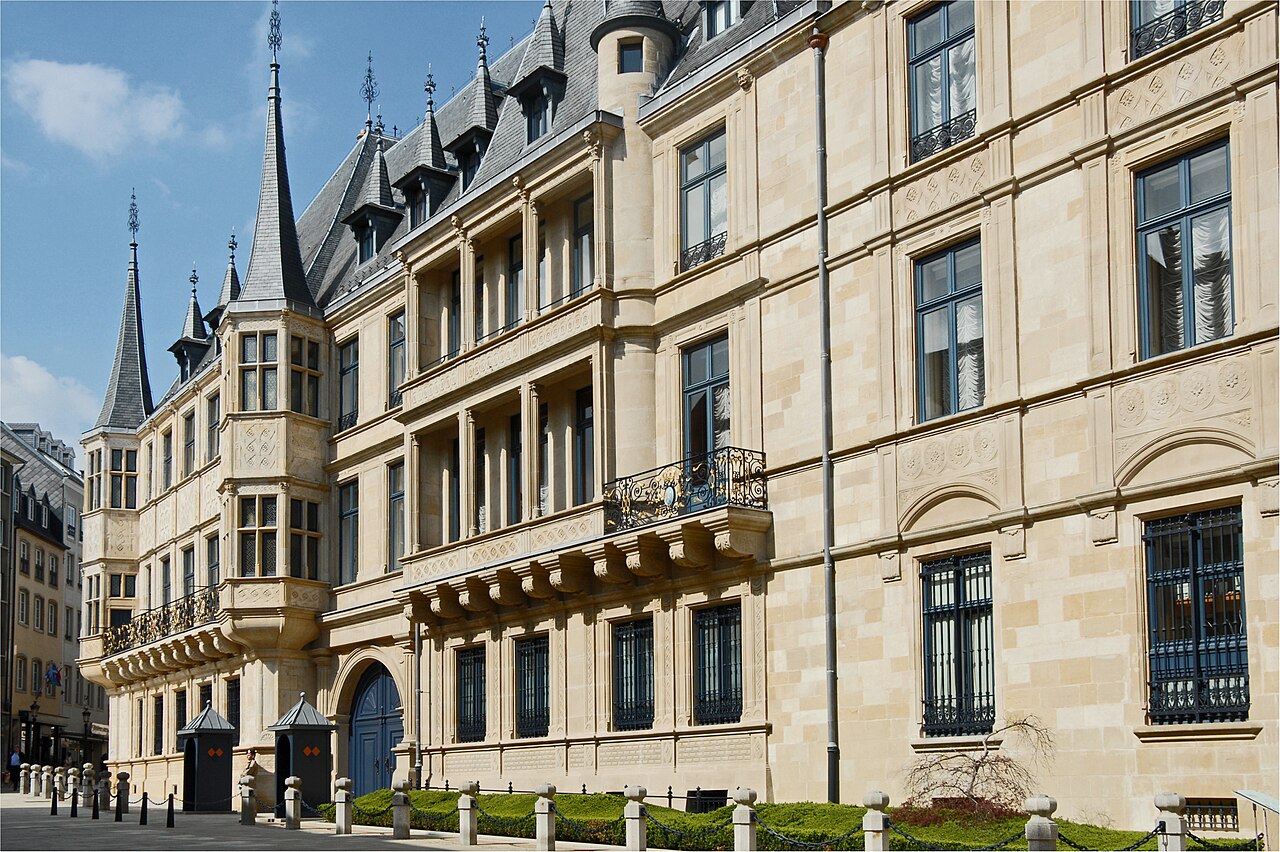
Major destinations include Luxembourg City (the famous Grand Ducal capital — population 132,000, sitting on a dramatic plateau cut by deep gorges of the Pétrusse and Alzette valleys, with the famous UNESCO World Heritage old town — the famous "Gibraltar of the North" — and the famous Bock Casemates underground fortifications), the famous Grand Ducal Palace (the famous official residence of the Grand Duke, with the famous changing of the guard), the famous Place d'Armes (the famous central square with extensive cafes), the famous Notre-Dame Cathedral (with the famous late Gothic architecture), the famous Pétrusse Casemates (the famous underground galleries dating to the 17th-18th centuries — UNESCO-listed), the famous Adolphe Bridge (the famous "Old Bridge" — once the world's largest stone-arch bridge), the famous Mudam (Museum of Modern Art Grand-Duc Jean designed by I.M. Pei), Vianden Castle (the famous 11th-13th century Romanesque-Gothic castle on the Our River, considered one of the world's most beautiful castles), the famous Müllerthal region (called the famous "Little Switzerland of Luxembourg" — with the famous Müllerthal Trail through bizarre sandstone formations and dense forests), the famous Moselle wine route (running 42 km from Schengen — the famous village that gave its name to the EU's Schengen Area — to Wasserbillig, with extensive Riesling, Pinot Noir, and Crémant de Luxembourg sparkling wine production), the famous Ardennes region in the north (with the famous Battle of the Bulge WWII sites at Bastogne — though most are in Belgium — and the famous Diekirch National Museum of Military History), the famous Bourscheid Castle, the famous Echternach (Luxembourg's oldest town, founded 698 CE with the famous Echternach Basilica and the famous Echternach Dancing Procession — UNESCO Intangible Cultural Heritage), the famous Berdorf and the famous Beaufort Castle, and the famous Schengen (the famous European border town).
Quick verdict
Best overall: Mid-April-September.
Best for Schueberfouer funfair: Late August-mid September.
Best for wine harvest (Moselle): Mid-September-October.
Best for hiking (Müllerthal Trail): May-October.
Best for Christmas atmosphere: Late November-December 24.
Best for budget travelers: November (excluding Christmas markets) and February.
Best for WWII Battle of the Bulge sites: Year-round; December for 80th anniversary commemorations.
Avoid if you can: Mid-July to mid-August if many businesses follow European holiday closures.
Spring (March-May)
The country greens up rapidly. March variable (5-12 °C). April brings cherry blossoms in Luxembourg City's parks and the famous "Octave" pilgrimage to the Notre-Dame Cathedral (late April-mid May) — Luxembourg's oldest religious tradition since 1666. May daytime 14-20 °C — comfortable for casemates tours and old town walking. The Müllerthal Trail (112 km loop through the "Little Switzerland" region with bizarre sandstone formations) becomes fully accessible.
Summer (June-August)
Daytime 18-25 °C with long daylight (sunset 9:40 pm in June). Luxembourg City's outdoor cafe culture along Place d'Armes and Place Guillaume II at peak. The famous National Day (June 23) — the Grand Duke's official birthday — brings citywide celebrations including a torchlight parade the evening before, military parade morning of, and fireworks at night.
Open-air concerts at Neumünster Abbey (formerly a prison, now a cultural center). The Moselle wine route gets active — boat cruises from Schengen (yes, the village that gave its name to the EU's borderless area) operate June-October. Vianden Castle and Bourscheid Castle accessible without rain inconvenience.
Schueberfouer (late August-mid September)
Europe's oldest funfair — running since 1340. Three weeks of carnival rides, food stalls (the famous "gromperekichelcher" potato pancakes), and Luxembourg's biggest community gathering on the Glacis fields north of the old town. Hotels fill; book ahead.
Autumn (September-November)
Late September brings the Moselle grape harvest. The wine route (running 42 km from Schengen to Wasserbillig) hits peak — the famous Riesling, Pinot Noir, and Crémant de Luxembourg sparkling wines from estates like Cep d'Or and Bernard Massard. October delivers autumn foliage in the Ardennes — the famous Battle of the Bulge sites at Bastogne, Diekirch, and Clervaux at their most atmospheric. November sees cooling (5-12 °C) and shorter days but no snow yet.
Winter (December-February)
Cold (-1 to +7 °C) with occasional snow. The famous Wantermaart (Winter Market) in Place d'Armes transforms Luxembourg City from late November through December 24 — wooden chalets, mulled wine ("Glühwäin"), traditional treats. Vianden Castle dramatic against snow. January-February sees the lowest tourist numbers — best for budget travel.
Regional variations
Luxembourg City and the south (UNESCO old town): Year-round but best April-October.
Müllerthal (Little Switzerland, east): Best May-October. Trail can be slippery in rain.
Moselle wine route (east border with Germany): Best June-October. Harvest September-October.
Ardennes (north): Best May-October for hiking; year-round for WWII history.
Vianden Castle: Year-round; most photogenic in October foliage or December snow.
Esch-sur-Sûre (lake region, north): Best May-September for swimming and kayaking.
Festivals & cultural events
Octave Pilgrimage (late April-mid May): Luxembourg's oldest religious tradition.
National Day (June 23 + eve): Torchlight parade, military parade, fireworks.
Schueberfouer (late August-mid September): Three-week funfair, Europe's oldest.
Vianden Medieval Festival (August): Castle becomes a medieval reenactment site.
Wantermaart Christmas Market (late November-December 24): Place d'Armes and Place de Paris.
Octave Wine Festival (mid-September, Grevenmacher): Moselle harvest celebration.
Cultural and practical notes
Luxembourg has three official languages — Luxembourgish (the famous national language used in everyday spoken communication, written less commonly), French (the famous administrative and judicial language), and German (the famous primary language of newspapers and church) — with English widely spoken in tourism and international business. Euro (€) is the currency. Tipping standard 10% in restaurants. The country has the famous free public transport policy — Luxembourg has had free public transport across all buses, trams, and trains since February 2020 (the world's first country to make all public transit free regardless of nationality or ticket type, though some first-class train compartments still charge fees). Cash and contactless cards both widely accepted. The country is highly walkable; Luxembourg City takes 2 full days to properly explore.
The famous Luxembourgish cuisine reflects the country's French-German-Belgian crossroads — traditional dishes include "judd mat gaardebounen" (smoked pork neck with broad beans), the famous "bouneschlupp" (green bean soup), the famous "gromperekichelcher" (potato pancakes — particularly famous at Christmas markets and Schueberfouer), and the famous Moselle Riesling and Crémant de Luxembourg sparkling wines. Luxembourg has the highest per-capita restaurant Michelin star count in the world, with 13 Michelin-starred restaurants for just 670,000 residents.
Practical considerations
Luxembourg Findel Airport (LUX) is the country's only major commercial airport, 6 km east of Luxembourg City — Luxair, Cargolux, and major European carriers operate extensive connections. The famous high-speed train connections to Paris (2h05m via TGV), Brussels (3 hours), and Frankfurt (3.5 hours) make Luxembourg easily reached as part of multi-country European trips. The famous "European triple-country" exploration combining Luxembourg + Belgium + the Netherlands (Benelux) works exceptionally well given small distances and free movement in the Schengen Area. Rental cars are convenient for Moselle wine route and Ardennes exploration. The country drives on the right side.
Traveler-type advice
City and culture travelers: May-September for the old town and casemates.
Hikers: May-September for the Müllerthal Trail. Mid-September for combining hiking with wine harvest.
Wine travelers: September-October for Moselle harvest tours.
Christmas market travelers: Late November-December 24.
WWII history travelers: Year-round. December for Battle of the Bulge anniversary.
Budget travelers: November (post-leaf, pre-market) and February.
Family travelers: Late August-mid September for Schueberfouer funfair.
Architecture travelers (UNESCO old town): April-October.
Multi-country Benelux travelers: April-October for combined Luxembourg + Belgium + Netherlands trips.
Day-trip travelers from Brussels or Frankfurt: Year-round; 2-3 hour train connections make Luxembourg easy day-trips.
Bottom line
Luxembourg rewards mid-April through September visits for general travel, with September-October adding Moselle wine harvest. The Schueberfouer (late August-September) and Christmas markets (late November-December) are the year's two distinctive cultural windows. Allow 2-3 days for Luxembourg-focused trips; combine with Belgium, France, or Germany for longer regional itineraries.