
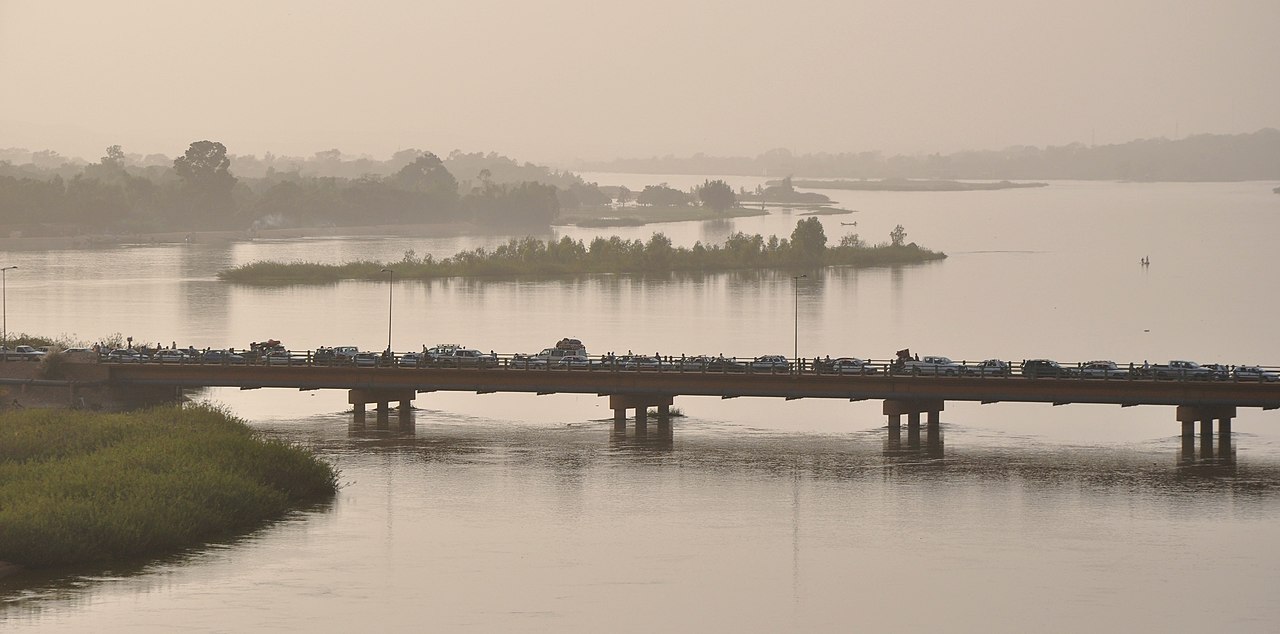
Mali is one of West Africa's most culturally significant nations but also one of its most challenging to visit due to ongoing security concerns. The country occupies a vast Sahel-Saharan landscape stretching from the Niger River fertile inland delta southward through arid Sahel grasslands northward into the deep Sahara — making Mali the eighth-largest African country by area. Mali has produced some of the world's most remarkable cultural treasures: Timbuktu (the legendary trans-Saharan trade entrepôt founded around 1100 AD, peak intellectual center 1400-1591, with the famous Sankoré, Djinguereber, and Sidi Yahya mosques and 700,000+ ancient Islamic manuscripts), Djenné and its Great Mosque (the world's largest mud-brick building, rebuilt annually at the famous "Crepissage" mud-plastering festival), Dogon Country (one of West Africa's most preserved traditional cultures, with cliff-dwelling villages, distinctive masked dancing, and complex animist religion), the Bandiagara Escarpment (UNESCO, dramatic 200 km of sandstone cliffs), and the Niger River itself (the famous "third great river of Africa" after the Nile and Congo, flowing 4,180 km from Guinea through Mali and into Nigeria). The country is also famous for its musical heritage — Ali Farka Touré (the legendary blues guitarist), Salif Keita, Toumani Diabaté, Tinariwen, and the famous Festival au Désert (held until 2012, the largest desert music festival in the world). However, the country has experienced significant instability since 2012: Tuareg-Islamist rebellions in the north, multiple military coups (2012, 2020, 2021), French Operation Serval/Barkhane intervention 2013-2022, Wagner Group Russian mercenary involvement since 2021, ongoing Jihadist violence affecting central and northern regions. As of 2024, most Western governments advise against all travel to most of Mali; Bamako itself has elevated security risk. The Festival au Désert ceased operating after 2012 due to security. Many famous sites (Timbuktu, Dogon Country, the Niger River north of Mopti) are essentially inaccessible to tourists. This guide describes the country's tourism potential while noting that meaningful visits require careful security assessment.
Quick verdict
Best overall (security permitting): November-February.
Best for Niger River boat travel (when accessible): December-January (high water from wet season).
Best for cool Saharan weather: December-February.
Best for the famous Djenné mud-plastering festival (Crepissage de la Grande Mosquée): April-May (when accessible).
Best for Dogon Country (when accessible): November-February.
Best for budget travelers: June-September (wet season, lowest demand).
Best for the rare Festival du Sahel (replacement for Festival au Désert): Various locations.
Best for Republic Day: September 22 (Independence Day).
Best for African Cup of Nations football (Mali is a regular participant): January-February when hosted.
Avoid if you can: March-May (40-48 °C extreme heat); July-August peak wet season (Sahel rains affect access); current Northern and Central Mali due to ongoing security advisories (always check current government travel warnings).
Security considerations (essential reading for any Mali visit)
Mali's security situation has dramatically deteriorated since 2012. The country has experienced:
2012: Tuareg/MNLA rebellion in the north; Islamist groups (AQIM, Ansar Dine, MUJWA) seized Timbuktu, Gao, and Kidal. Famous manuscripts evacuated to Bamako; some ancient mosque tombs destroyed.
2013-2022: French Operation Serval and Barkhane intervention. Some areas stabilized but rural insurgency continued.
2020-2021: Two military coups removed President Keïta and then his civilian successor.
2021-present: French withdrawal; Russian Wagner Group mercenaries arrived; UN MINUSMA mission withdrew 2023; the EU mission ended 2024; Jihadist groups (JNIM, Islamic State Sahel Province) remain active in much of the country.
Current status: Most Western governments advise against all travel to Mali. Bamako and the deep south have elevated but manageable risk; the north and central regions (including Timbuktu, Mopti, Dogon Country) are essentially inaccessible due to active conflict. Kidnapping for ransom of foreign nationals is a documented risk. Travel insurance with kidnap and ransom coverage is essential if visiting. Always consult current government advisories.
When security improves (cool dry season, November-February)
Mali at its travel best if access becomes possible. Bamako daytime 28-33 °C, cooler nights (16-22 °C). The famous Harmattan — Saharan dust-laden winds — typically arrives mid-December and persists through February. The dust reduces visibility for photography but lowers temperatures. Northern Mali (Timbuktu, Gao) was traditionally accessible by air from Bamako before 2012; current operations are minimal.
The Niger River was the famous "Mopti-Timbuktu boat" route — a 2-3 day pinasse (motorized canoe) journey down the river from Mopti through Niafounké and Saint-Louis to Timbuktu. This journey was one of West Africa's classic experiences pre-2012; current access is restricted. River water levels are highest December-January after the wet season runoff, then progressively drop until rains return in June. Local pinasse traffic continues despite tourist absence.
Djenné (UNESCO, 354 km northeast of Bamako) features the world's largest mud-brick building — the Great Mosque of Djenné, rebuilt in 1907 to its current form. The famous annual Crepissage de la Grande Mosquée (Great Mosque Mud-Plastering Festival) in April-May sees the entire town's men climb the structure to apply new mud plaster — a unique community event combining religious ritual, communal labor, and traditional festivity. Pre-2012 this was the country's most famous photographable cultural event.
Dogon Country (the cliff villages of the Bandiagara Escarpment) is West Africa's most preserved traditional culture. The Dogon people have inhabited the 200 km escarpment for centuries, with distinctive cliff-dwelling architecture, masked dance ceremonies (the famous "Sigui festival" every 60 years and the "Dama" funeral ceremonies), and complex cosmology. Pre-2012 multi-day hiking trips along the escarpment were one of West Africa's iconic adventures. Current access is severely limited.
Hot dry season (March-May)
Brutal. Bamako daytime 38-44 °C, with peaks past 46 °C. Outdoor activities limited to early morning. The famous "Heat Dome" effect over the Sahara makes northern Mali essentially uninhabitable for outdoor tourism. The famous Djenné mosque-plastering happens during this hot window despite the temperatures.
Wet season (June-September)
The Sahel "rainy season" brings modest rainfall (Bamako receives 1,000 mm annually, concentrated June-September). Daytime 26-32 °C with high humidity. The Niger River rises significantly. Roads to remote areas become difficult. Hotel rates drop 50%+. Tourism essentially pauses outside Bamako due to combined weather, security, and seasonal challenges.
Cultural depth despite limited access
Mali's significance to African culture remains profound regardless of current accessibility. The Mali Empire (1235-1670) under Mansa Musa was once one of the world's wealthiest states — Mansa Musa's 1324 hajj to Mecca caused inflation in Egypt for years afterward due to his gold gifts. The famous Timbuktu manuscripts (700,000+ documents on astronomy, mathematics, medicine, Islamic theology, and history) are being painstakingly digitized and preserved after the 2012 conflict threat. The Niger River's "inland delta" between Mopti and Timbuktu — a seasonally flooded wetland — supports millions of cattle, fish, and rice agriculture in traditional ways.
Mali's musical heritage
Mali has produced some of Africa's most internationally influential musicians. Ali Farka Touré (the "Desert Blues" pioneer who won Grammy awards), Salif Keita (the famous "Golden Voice of Africa"), Toumani Diabaté (the kora master), Oumou Sangaré (the Wassoulou music queen), Tinariwen (the famous Tuareg desert blues band that won a Grammy), and Habib Koité have shaped global perceptions of African music. The Festival au Désert held in the Sahara north of Timbuktu (2001-2012) brought international musicians (including Robert Plant) to play with Tuareg artists — until security forced its cessation. Smaller replacement festivals (Festival du Mali, Festival sur le Niger in Ségou) continue when conditions allow.
Regional/area variations (subject to current security)
Bamako (capital, south): Best November-February. Elevated but manageable security risk.
Ségou (Niger River, central): Best November-February. Famous Festival sur le Niger.
Djenné (UNESCO mud-brick mosque): Best November-February or April-May. Currently restricted access.
Mopti (Niger-Bani river junction): Best November-February. Currently elevated security risk.
Dogon Country (Bandiagara Escarpment): Best November-February. Currently restricted access.
Timbuktu (northern Mali): Best November-January. Currently inaccessible to tourists.
Gao and Kidal (far north): Currently inaccessible due to active conflict.
Festivals & cultural events (when accessible)
Festival sur le Niger (Ségou, January-February, varies): Three-day music and culture festival on the Niger River.
Crepissage de la Grande Mosquée (Djenné, April-May): Annual mud-plastering of the world's largest mud-brick building.
Independence Day (September 22): Anniversary of 1960 independence from France.
Bonkounou (varies): Niger River traditional masked festival.
Dogon Dama and Sigui ceremonies (varies): Traditional masked funeral and 60-year initiation rituals.
Eid al-Fitr and Eid al-Adha (varies): Major Muslim holidays.
Tabaski (Eid al-Adha): Major Muslim sacrifice celebration.
Festival of the Niger (Sotuba): Traditional fishing festival.
Practical considerations (when visiting becomes possible)
Bamako-Sénou International Airport receives reduced international service since 2012; Air France, Royal Air Maroc, and Turkish Airlines provide most international connections. Internal flights to Timbuktu, Gao, and Mopti operate intermittently. CFA Franc (West African) is the currency, pegged to the Euro. Cash dominates outside Bamako luxury hotels. Visa required for most nationalities; obtain in advance. Yellow fever vaccine required for entry. Anti-malarials essential.
Cultural and practical notes
French is the official language; Bambara is the dominant local language spoken by 80%+ of the population. Tamashek (Tuareg), Songhay, and many Manding languages also spoken. English limited. Modest dress essential — covered shoulders, knees, and women may need to cover hair at mosques. Photography of people requires explicit permission; in some traditional villages photography may be culturally inappropriate. Tipping 5-10%.
Traveler-type advice
The cautious traveler: Consider Mali only with experienced specialist operators, comprehensive security briefings, current advisories cleared, and significant insurance coverage. The country offers extraordinary depth but requires extraordinary preparation.
Music travelers: When security permits, the famous Ségou's Festival sur le Niger or other regional festivals offer powerful musical experiences.
Cultural researchers and academics: Visiting institutions like the Ahmed Baba Institute (manuscript repository) often requires advance arrangement and specific research credentials.
African heritage travelers: Mali's place in pre-colonial African civilization (the Mali Empire, the Songhai Empire, Timbuktu's manuscript tradition) provides profound context for African studies.
Adventure travelers: The Niger River journey when feasible and Dogon Country when accessible remain among Africa's classic experiences.
Photographers: The mud architecture of Djenné, Mopti, and Dogon villages offers some of the world's most distinctive earthen-architecture photography.
Diaspora travelers: African-American heritage travelers find Mali significant — many enslaved Africans were taken from this region during the trans-Atlantic slave trade.
Religious travelers: Mali's Sufi Islamic tradition, the famous "Tijaniyya" brotherhood centered in Mali, offers significance for serious Islamic studies travelers.
Hopes for the future
The international community has watched Mali's deterioration since 2012 with concern. The famous Festival au Désert is in indefinite exile; the Timbuktu manuscripts are preserved but the city remains inaccessible; Dogon villages have been depopulated by violence. There is hope that the country's extraordinary cultural heritage may again become accessible — but visitors should monitor security advisories carefully and plan with experienced operators only when conditions improve.
Bottom line
Mali rewards November-February visits when security permits — the cool dry season aligning with the most accessible months for the famous Niger River, Djenné mud architecture, and Dogon cultural experiences. However, current security advisories make meaningful Mali visits genuinely difficult; the country's extraordinary cultural heritage remains in conservation rather than active tourism. Travelers should consult current government advisories, plan with experienced specialist operators, and consider the security trade-offs carefully. When the security situation improves, Mali offers one of West Africa's most profound cultural experiences.