
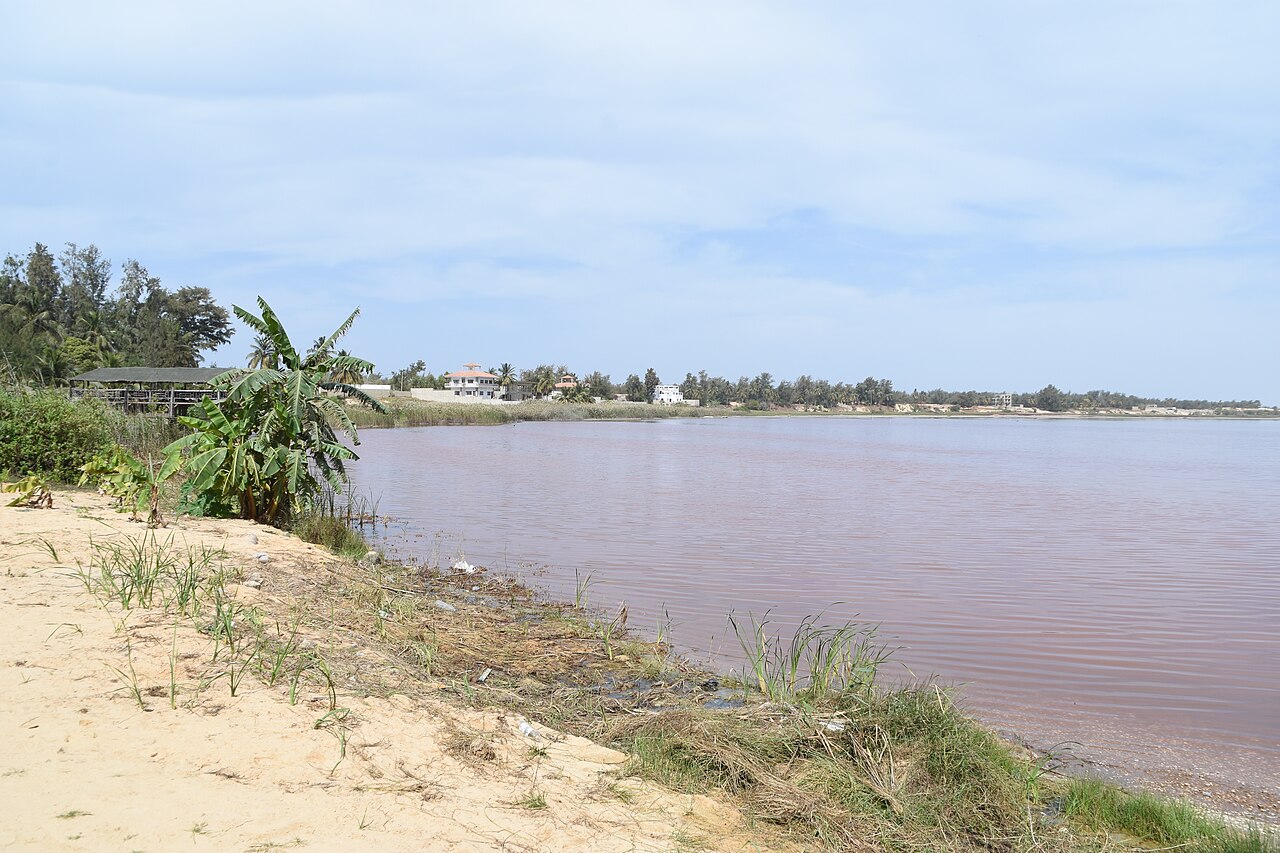
Senegal is one of West Africa's most stable, culturally rich, and tourist-friendly destinations — a country that has earned its reputation as the "Gateway to Africa" for many first-time visitors. The country occupies the westernmost point of mainland Africa (Cape Verde Peninsula is even further west but the country of Cape Verde is offshore), with the famous Dakar Peninsula jutting into the Atlantic just south of Mauritania. Senegal has produced some of Africa's most influential cultural figures: Léopold Sédar Senghor (the first president and a major Negritude poet/philosopher), Youssou N'Dour (the legendary mbalax musician), Ousmane Sembène (the "father of African cinema"), and the famous wrestler-philosopher culture. The country is overwhelmingly Muslim (~95% Sunni, with strong Sufi brotherhoods including the Mourides and Tijaniyya), but maintains religious tolerance and a vibrant secular culture. Senegal's main attractions include Dakar (the modern African capital with its famous Île de Gorée — the UNESCO-listed slave trade port that received millions of enslaved Africans, with the famous "Door of No Return"), Saint-Louis (the former French West African capital, UNESCO-listed for its colonial architecture and famous Saint-Louis Jazz Festival), the Pink Lake (Lac Rose / Lake Retba — the famous pink-colored salt lake that turns vivid pink in November-March due to specific algae), the Sine-Saloum Delta (mangrove ecosystem and traditional fishing villages), the Casamance region (in the south, separated from main Senegal by The Gambia, with distinct Diola culture), and Niokolo-Koba National Park (West Africa's largest, with lion, leopard, and elephant populations). Climate is Sahelian with a long dry season (November-May) and short wet season (June-October).
Quick verdict
Best overall: November-March (long dry season).
Best for Pink Lake (Lac Rose): November-March (peak pink color from algae blooms).
Best for Saint-Louis Jazz Festival: Late May-early June (varies by year).
Best for Casamance region and Cap Skirring beaches: November-April.
Best for Niokolo-Koba safari: January-April (peak wildlife concentration at remaining water).
Best for Sine-Saloum Delta birdwatching: November-March.
Best for Magal de Touba (Senegal's biggest religious pilgrimage): 48 days after Islamic New Year (varies).
Best for Dakar Biennale (contemporary African art): May-June (varies, biennial).
Best for surfing (Ngor, Yoff): October-March.
Best for budget travelers: August-September (peak rains, lowest demand).
Best for Independence Day: April 4.
Avoid if you can: July-August peak rainy season (interior roads challenging); the Harmattan dust window (December-February brings reduced visibility but cooler temperatures).
Dry season (November-May)
Senegal at its travel best. Dakar daytime 22-30 °C with reliable Atlantic sea breezes — significantly cooler than the inland 30-38 °C. Low humidity by African standards. The famous Île de Gorée (a 20-minute ferry from Dakar's port) becomes the country's defining cultural visit — the small island holds the famous Maison des Esclaves (Slaves' House) with its "Door of No Return," where enslaved Africans were loaded onto ships bound for the Americas. The site is one of the world's most powerful memorials to the Atlantic slave trade. UNESCO has designated the island a World Heritage Site since 1978.
The Pink Lake (Lac Rose, also called Lake Retba) — about 35 km northeast of Dakar — hits peak color during dry months. The lake's distinctive pink hue comes from Dunaliella salina algae thriving in the extremely salty water (40% salt content, similar to the Dead Sea). The lake is most vividly pink late afternoon under direct sunlight; salt collectors continue working in traditional canoes harvesting salt from the lake bed. The famous Dakar Rally finished here for many years before relocating to Saudi Arabia in 2020.
Saint-Louis — the former French colonial capital of French West Africa, on the famous Senegal River mouth — has its UNESCO Old Town with the famous Faidherbe Bridge (designed by Gustave Eiffel) connecting the river island to the mainland. Saint-Louis Jazz Festival in late May-early June is the country's biggest cultural event — bringing international jazz artists alongside Senegalese mbalax stars to multiple venues. The festival was originally founded in 1992 to celebrate Sufi musical traditions but has expanded to include international jazz.
The Sine-Saloum Delta and Casamance regions become accessible. The famous "Le Lodge des Bolongs" and the Casamance's Cap Skirring (the famous beach destination) at peak. The Casamance has been politically tense for decades due to MFDC separatist activity — most tourist areas remain safe but check current advisories.
Harmattan (December-February)
The famous "Harmattan" — a dust-laden wind from the Sahara — typically arrives mid-December and persists through February. The Harmattan brings cooler nighttime temperatures (15-18 °C in Dakar, much cooler in interior cities like Tambacounda — 8-12 °C overnight is possible) but reduces visibility considerably with Sahara dust haze. Photographers find the dust limits long-distance landscape work but creates atmospheric quality. The famous "harmattan light" produces golden tones around dawn and dusk.
Wet season (June-October)
Heavy rains across the country, peaking in August. Daytime 27-32 °C with high humidity. The famous "Sahel rains" are concentrated and intense — Dakar receives most of its 500 mm annual rainfall in just 60-90 days. Interior roads can become impassable. Dakar continues to function but outdoor cultural activities reduce. Hotel rates drop 30-50%. Some smaller operators in interior regions pause operations.
July-August coincide with the famous Magal de Touba pilgrimage (date varies by Islamic lunar calendar) — Senegal's biggest religious event. The Mouride brotherhood (one of Senegal's major Sufi orders, founded by Cheikh Amadou Bamba) holds an annual pilgrimage to Touba where 3-5 million Senegalese gather to commemorate Bamba's life. The famous Touba mosque is the country's largest religious building. The event is a profound cultural experience but accommodation in the area becomes scarce during pilgrimage week.
Regional/area variations
Dakar (capital, Atlantic coast): Year-round but most pleasant November-March.
Île de Gorée (offshore, UNESCO): Best November-March for clear ferry crossings.
Pink Lake / Lac Rose (near Dakar): Best November-March for peak pink color.
Saint-Louis (former colonial capital): Best November-April. Jazz Festival in late May-early June.
Sine-Saloum Delta (south of Dakar): Best November-March.
Casamance and Cap Skirring (south, separated by Gambia): Best November-April.
Niokolo-Koba National Park (east): Best January-April for wildlife.
Touba (Mouride religious center): Best around Magal pilgrimage (varies).
Tambacounda (eastern): Best November-March; hot interior.
Île de Madeleine (offshore from Dakar): Year-round.
Bandia Reserve (introduced African wildlife park): Year-round.
Festivals & cultural events
Saint-Louis Jazz Festival (late May-early June): The country's biggest cultural event.
Magal de Touba (date varies, Islamic lunar calendar): Mouride pilgrimage drawing millions.
Dakar Biennale (Dak'Art, May-June biennial): Major contemporary African art event.
Festival de Salam (varies): International cultural festival.
Festival International du Film de Quartier (December): Dakar film festival.
Eid al-Fitr and Eid al-Adha (varies): Major Muslim holidays.
Independence Day (April 4): Commemorates 1960 independence from France.
Korité (end of Ramadan): Major family celebration.
Tabaski (Eid al-Adha): Major Muslim sacrifice celebration with family gatherings.
Saint-Louis Carnival (varies, January-February): Smaller cultural festival.
Festival Mondial des Arts Nègres (varies): Pan-African arts event with significant historical importance (first held 1966).
Food, drink, and Senegalese cuisine
Senegal has West Africa's most internationally recognized cuisine. The famous national dish is thieboudienne (a slow-cooked rice and fish stew, declared "intangible cultural heritage" by UNESCO in 2021). Other essentials: yassa (chicken or fish in spicy onion-lemon sauce), mafé (peanut stew, of Mande origin), domoda (peanut paste sauce), the famous bissap (hibiscus drink), ataya (sweet tea, served in three ceremonial rounds — typically taking 1-2 hours, considered a cultural ritual), and the famous baobab fruit drink. Senegal also has a notable beer culture (Gazelle and Flag are the local lagers) despite being predominantly Muslim — alcohol is freely available outside the most strictly observant Mouride regions.
Music and the famous Dakar scene
Senegal is home to one of Africa's most influential music scenes. Youssou N'Dour (the most famous mbalax artist globally), Baaba Maal (Tukulor-language traditions), Cheikh Lô, Orchestra Baobab, and Akon (Senegalese-American) have shaped the country's international cultural footprint. Dakar's famous clubs and venues — including Le Patio, the famous "Just 4 U," and Restaurant Métropole — offer live music nightly. The dance form sabar (with the distinctive long thin drum and explosive dancing) is the famous Senegalese expression of joy.
Cultural and practical notes
French is the official language; Wolof is the dominant local language spoken by ~80% of the population. Pulaar, Serer, Diola, and Mandinka are major regional languages. English is limited outside major hotels and tourism. CFA Franc (West African) is the currency, pegged to the Euro. Cards accepted at major hotels but cash dominates. Modest dress in Touba, religious sites, and rural villages — women may need to cover heads at mosques (covering required during religious visits). Tipping 10%. Yellow fever vaccination required for entry. Visa-free or e-visa for most Western nationalities. The country is one of West Africa's safest with normal precautions.
Practical considerations
Blaise Diagne International Airport (Dakar, formerly known as Léopold Sédar Senghor) is the gateway, with direct flights from Paris, Brussels, Lisbon, Madrid, Istanbul, Casablanca, and major African hubs. Air Senegal is the national carrier. Internal travel is via shared minibuses (sept-place taxis, the famous shared seven-seater Peugeot 504 cars), buses, or rental cars. Driving on the right side. The famous Dakar to Saint-Louis road takes 4 hours; Dakar to Tambacounda 6-8 hours.
Safety considerations
Senegal is among the safest West African countries with normal urban precautions in Dakar (petty theft and pickpocketing). The Casamance has periodic instability due to MFDC separatist activity — main tourist areas (Cap Skirring) are generally safe but check current advisories. The Mauritanian border region has had occasional security concerns. Health: malaria is endemic; anti-malarials essential. Yellow fever vaccination required for entry.
Traveler-type advice
Cultural and history travelers (Senegal's primary tourism segment): November-March for Île de Gorée, Saint-Louis, and Dakar culture.
Music travelers: Late May-early June for Saint-Louis Jazz Festival; year-round for Dakar live music.
Art travelers: May-June (biennial years) for Dak'Art Biennale.
Religious travelers (Muslim): Around Magal pilgrimage (varies) for the Mouride spiritual experience.
Photographers: November-March for Pink Lake at peak color; January-February for Harmattan atmospheric light.
Wildlife travelers: January-April for Niokolo-Koba National Park.
Surfers: October-March at Ngor and Yoff beaches near Dakar.
Beach travelers: November-April at Cap Skirring (Casamance) or Saly resort area.
Adventure travelers: November-April for Sine-Saloum Delta exploration.
Diaspora travelers (African American heritage): Year-round for Île de Gorée's "Door of No Return" — one of the world's most powerful Atlantic slave trade memorial sites.
Family travelers: November-April for combined city culture, beach, and Pink Lake visits.
Budget travelers: August-September for cheapest accommodation; tolerate the rain.
First-time African travelers: Senegal is widely considered an excellent "gateway African destination" due to good infrastructure, English-friendly tourism in Dakar, and cultural richness.
Bottom line
Senegal rewards November-March visits decisively for prime weather, the famous Pink Lake at peak color, Île de Gorée's profound cultural visit, and combined exploration of Saint-Louis and the Sine-Saloum Delta. The Saint-Louis Jazz Festival in late May-early June adds the year's biggest international cultural draw. The country offers West Africa's most accessible and culturally rich destination, with a music scene that has shaped global perceptions of African creativity.