

Introduction
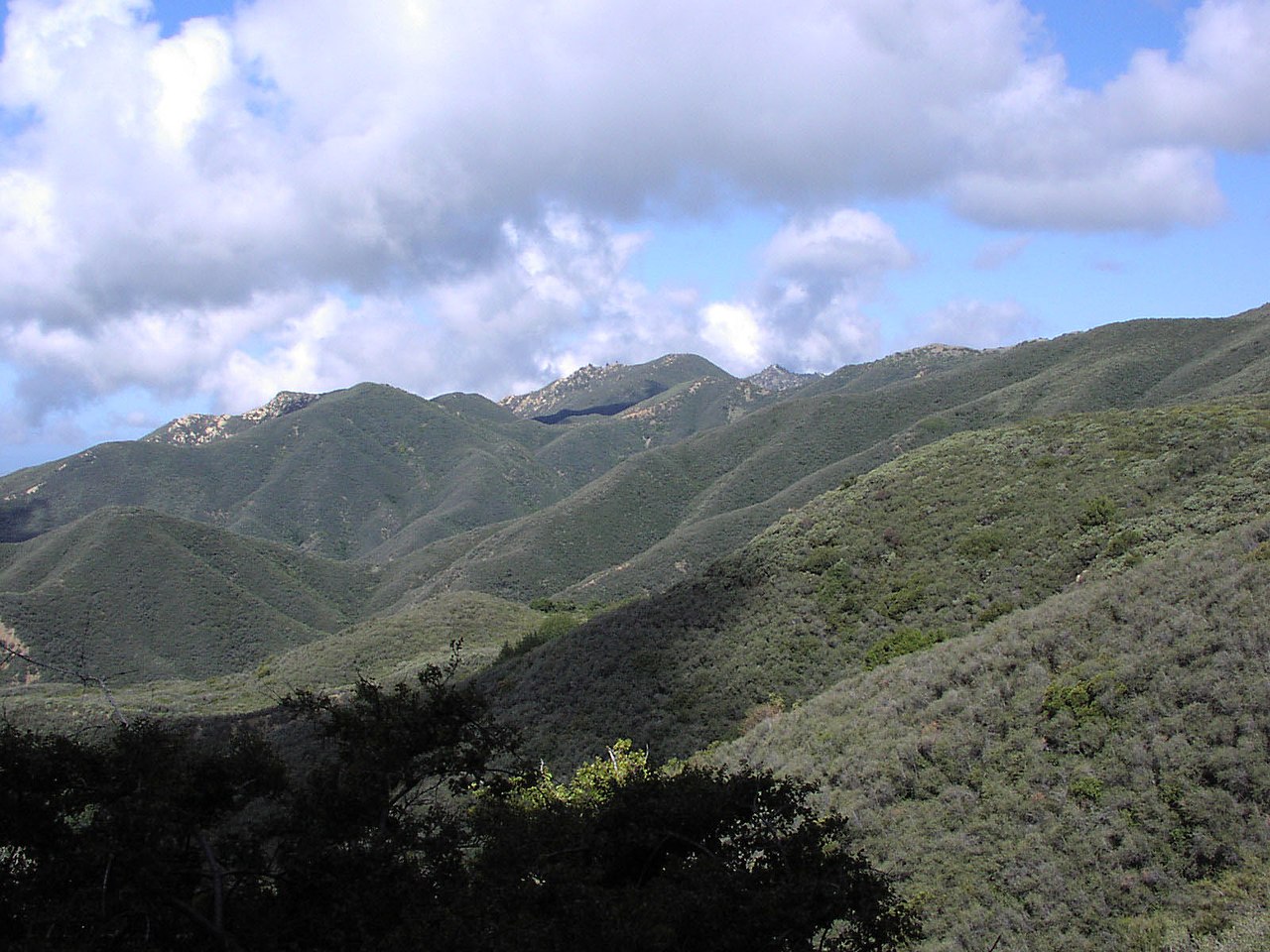
Chaparral is a dense, evergreen shrubland biome that develops in Mediterranean climates, characterized by hot, dry summers and mild, wet winters. The term chaparral comes from the Spanish chaparro, meaning shrub oak, and originally referred to the scrubby vegetation of California. However, ecologically similar shrublands have evolved independently on all five continents that have Mediterranean climates, each with its own distinctive species but remarkably similar structure and ecology.
What makes chaparral fascinating to ecologists is its intimate relationship with fire. These shrublands are among the most flammable ecosystems on Earth, and fire is not just a periodic disturbance but an essential ecological process. Many chaparral species cannot reproduce without fire, having evolved seeds that germinate only after exposure to heat or smoke. This makes chaparral one of the best-studied examples of fire-adapted vegetation and a critical subject for understanding wildfire management.
Global Distribution
- California Chaparral: ~3.4 million hectares in California
- Matorral: Chile's Mediterranean scrubland
- Maquis/Macchia: Mediterranean Basin shrubland
- Fynbos: South Africa's Cape Floristic Region
- Kwongan: Southwestern Australia's shrubland
Chaparral and its global equivalents occur in all five Mediterranean climate zones, each on the western side of a continent between 30° and 40° latitude. California's chaparral is the best known, covering approximately 3.4 million hectares of foothills and mountain slopes throughout the state. Chile's matorral occupies the central coast and Andean foothills, while the Mediterranean Basin's maquis stretches from Spain to Turkey.
South Africa's fynbos is arguably the most spectacular of the Mediterranean shrublands. The Cape Floristic Region is the smallest but richest of Earth's six floral kingdoms, containing approximately 9,000 plant species in an area of just 90,000 square kilometers. Southwestern Australia's kwongan is similarly diverse. All five shrubland types evolved independently under identical climate pressures, representing one of the most remarkable examples of convergent evolution in the plant kingdom.
Vegetation Characteristics
- Structure: Dense, evergreen shrubs 1-3 m tall
- Leaf Type: Small, thick, leathery, often aromatic
- Root Systems: Deep taproots and extensive lateral roots
- Species Richness: Extremely high, especially in fynbos and kwongan
Chaparral vegetation is dominated by woody shrubs with small, thick, leathery leaves adapted to conserve water during the long dry summer. Many species produce aromatic oils — the distinctive fragrance of sage, rosemary, and thyme in the Mediterranean maquis, or the pungent smell of California sagebrush and chamise. These oils, while useful for deterring herbivores, also make the vegetation extremely flammable.
The root systems of chaparral plants are remarkably extensive. Deep taproots penetrate meters into fractured bedrock to access groundwater, while lateral roots spread far beyond the canopy to capture surface moisture. This investment in underground biomass allows chaparral to resprout vigorously after fire or drought, with some species regenerating from root crowns just days after the above-ground vegetation has been completely destroyed.
Fire Ecology
- Fire Return Interval: 30-150 years in natural systems
- Fire Intensity: Some of the most intense wildfires globally
- Obligate Seeders: Species that require fire to germinate
- Resprouters: Species that regrow from root crowns after fire
Fire is the defining ecological process in chaparral. Under natural conditions, fires burn through chaparral every 30 to 150 years, driven by the accumulation of dead plant material during the dry season and ignited by lightning or, increasingly, human activity. These fires can be extraordinarily intense, with flame lengths exceeding 30 meters and fire temperatures above 1,000°C.
Chaparral plants employ two primary strategies for surviving fire. Resprouters, like chamise and manzanita, regenerate from underground root crowns that survive even intense fire. Obligate seeders produce seeds with hard coats that require the heat or chemical signals of fire to crack open and germinate. Some species in the South African fynbos can store seeds in the soil for decades, waiting for the right fire conditions to trigger germination.
Wildlife
- Mammals: Deer, coyotes, mountain lions, bobcats
- Birds: Scrub-jays, wrens, towhees, quail
- Reptiles: Diverse lizard and snake communities
- Invertebrates: Rich butterfly and beetle fauna
Chaparral supports a diverse wildlife community adapted to the dense, shrubby habitat. In California, mule deer browse on shrub foliage, mountain lions hunt in the brushy terrain, and bobcats specialize in catching rabbits and rodents. The California scrub-jay and wrentit are characteristic chaparral birds, with the wrentit spending virtually its entire life within the dense shrub canopy.
Many chaparral animals are fire-adapted, either sheltering underground during burns or moving into recently burned areas to exploit the flush of new growth and insect activity that follows fire. Some bird species, including the rare California gnatcatcher, are restricted to specific ages of chaparral, requiring a landscape mosaic of recently burned and mature shrubland to maintain viable populations.
Threats & Management
- Too-Frequent Fire: Human ignitions shortening fire intervals
- Too-Infrequent Fire: Fire suppression causing fuel buildup
- Urbanization: Wildland-urban interface expanding into chaparral
- Climate Change: Hotter droughts increasing fire severity
Chaparral faces a paradoxical fire management challenge. Human-caused ignitions have dramatically shortened fire intervals in some areas, particularly near urban edges, preventing chaparral from regenerating between fires and converting it to non-native grassland. At the same time, fire suppression in other areas allows fuel to accumulate to dangerous levels, setting the stage for catastrophic firestorms when ignition eventually occurs.
The expanding wildland-urban interface, where housing development pushes into chaparral-covered hills, creates enormous wildfire risk. The devastating fires in California — including the 2018 Camp Fire that destroyed the town of Paradise and the annual conflagrations in Southern California's chaparral-covered canyons — are driven by the collision of fire-adapted vegetation, hot dry Santa Ana winds, and human development in inherently flammable landscapes.
Key Facts
- Chaparral is found in all five Mediterranean climate zones on different continents.
- The five Mediterranean shrublands evolved independently through convergent evolution under identical climate pressures.
- South Africa's fynbos contains ~9,000 plant species in just 90,000 km², one of Earth's richest floras.
- Many chaparral species require fire to reproduce, with seeds that germinate only after heat or smoke exposure.
- Natural chaparral fire intervals range from 30-150 years, but human activity is altering this cycle.
Fun Facts
- The word chaparral comes from the Spanish chaparro, meaning a thicket of shrub oaks, related to the iconic leather leg coverings (chaps) worn by cowboys to protect against the brush.
- Some chaparral plants produce chemicals that inhibit the growth of neighboring plants, a phenomenon called allelopathy.
- The fynbos of South Africa has more plant species per unit area than any tropical rainforest on Earth.
- California's chamise (Adenostoma fasciculatum) is so flammable that it has been nicknamed "greasewood" by firefighters.
Final Thoughts
The chaparral biome is a testament to the power of convergent evolution and the intimate relationship between fire and ecology. Five Mediterranean shrublands on five continents have independently evolved remarkably similar strategies for surviving summer drought and periodic intense wildfires. As climate change intensifies fire seasons and urban development encroaches into fire-prone landscapes, understanding chaparral ecology is essential for managing wildfire risk and preserving one of the world's most biodiverse biome types.