
Introduction
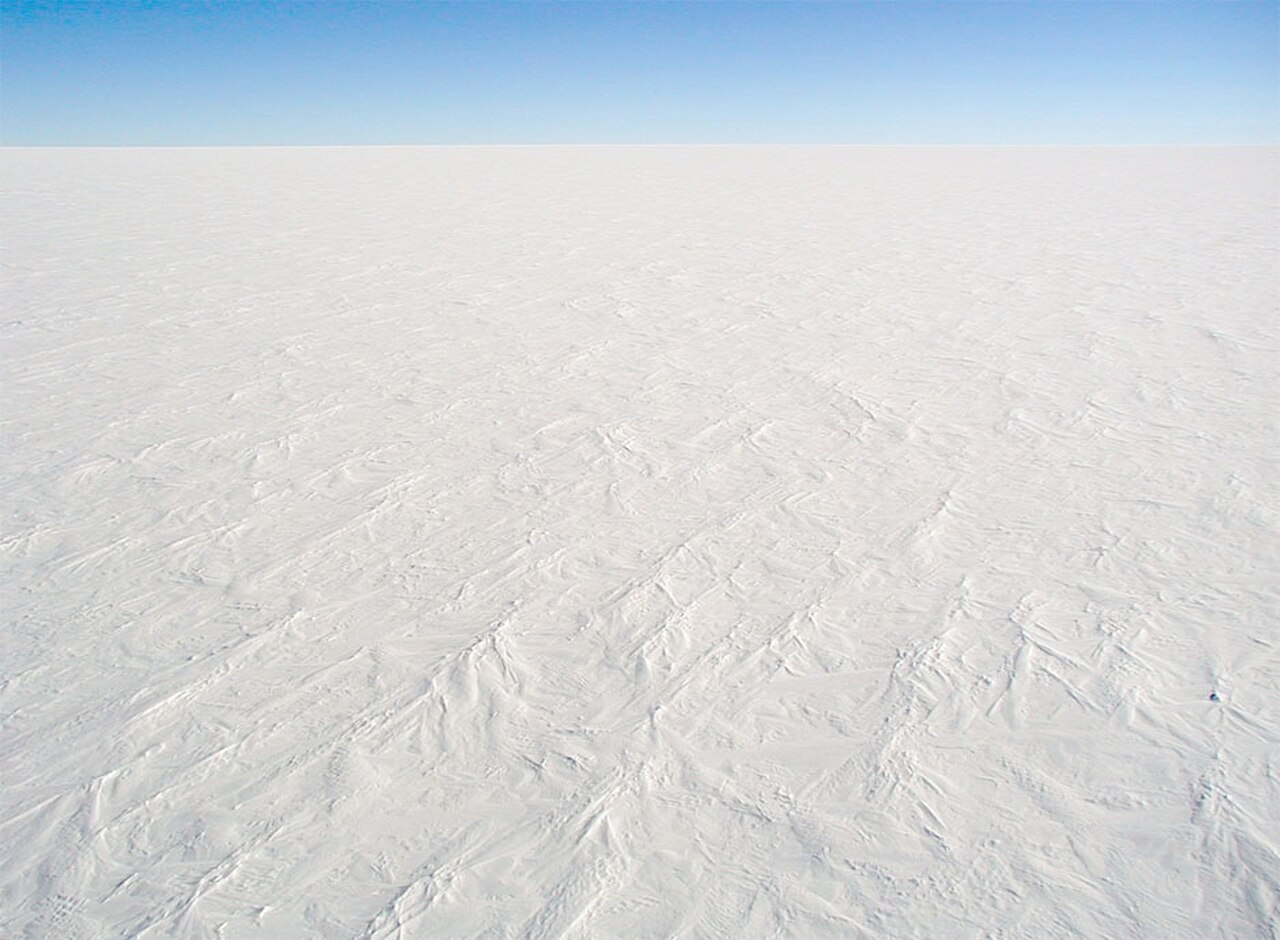
Cold deserts receive as little precipitation as their hot counterparts but instead of sand, they are dominated by ice, permafrost, and frozen ground.
The coldest deserts are among the most inhospitable places on Earth. Wind chill can make temperatures feel 20-30°C colder than already extreme readings.

1. Antarctic Interior
- Lowest Temp: -89.2°C (-128.6°F)
- Annual Precipitation: <50 mm
- Ice Thickness: Up to 4.8 km
Antarctica holds the all-time cold record: -89.2°C at Vostok Station in 1983. Satellite data suggests even colder temperatures exist in small pockets.
The interior receives less than 50 mm of precipitation per year, making it drier than the Sahara. Wind speeds can exceed 320 km/h on the coast.
2. Arctic Tundra
- Winter Lows: -50 to -60°C
- Precipitation: 150-250 mm/year
- Permafrost: Continuous
The Arctic tundra stretches across northern Russia, Canada, Alaska, and Scandinavia. The ground is permanently frozen to depths of hundreds of meters.
Climate change is thawing permafrost, releasing trapped methane and CO2, which accelerates warming in a dangerous feedback loop.
3. Gobi Desert
- Winter Lows: -40°C (-40°F)
- Summer Highs: 45°C (113°F)
- Temperature Range: Up to 85°C swing
The Gobi experiences some of the most extreme temperature swings on Earth. Winter blizzards can drop temperatures to -40°C while summer heat exceeds 45°C.
Mongolian herders have survived these conditions for thousands of years, living in insulated gers (yurts).
4. Patagonian Desert
- Winter Lows: -20°C (-4°F)
- Wind Speeds: Up to 160 km/h
- Area: 673,000 km²
Patagonia is battered by relentless winds from the Southern Ocean. The combination of cold temperatures and extreme wind makes it one of the most inhospitable deserts.
5. Great Basin Desert, USA
- Winter Lows: -30°C (-22°F)
- Elevation: 1,200-1,800 m
- Area: 492,000 km²
The Great Basin Desert is the largest desert in the US. It is a cold desert at high elevation, receiving most of its limited moisture as winter snow.
Sagebrush dominates the landscape, and the desert contains the famous Bonneville Salt Flats.
6. Karakum Desert, Turkmenistan
- Winter Lows: -20°C (-4°F)
- Summer Highs: 50°C (122°F)
- Area: 350,000 km²
The Karakum has extreme continental temperatures. It is home to the "Door to Hell," a natural gas crater that has been burning since 1971.
7. Taklamakan Desert, China
- Winter Lows: -26°C (-15°F)
- Area: 337,000 km²
- Nickname: Sea of Death
The Taklamakan is called the "Sea of Death" because of its harsh conditions. Sandstorms can rage for days, and ancient Silk Road cities lie buried under its sands.
8. Greenland Ice Sheet
- Winter Lows: -66°C (-87°F)
- Ice Volume: 2.85 million km³
- Thickness: Up to 3.4 km
Greenland's interior is a polar desert with almost no precipitation. If the entire ice sheet melted, global sea levels would rise by about 7.2 meters.
Key Facts
- Antarctica's Vostok Station holds the all-time cold record at -89.2°C.
- Cold deserts receive precipitation mainly as snow, not rain.
- The Gobi Desert has a temperature range of up to 85°C between winter and summer.
- Permafrost in Arctic deserts can extend hundreds of meters underground.
- Greenland's ice sheet holds enough water to raise sea levels by 7.2 meters.
Fun Facts
- At -40°C, Celsius and Fahrenheit scales show the same number.
- Antarctica is so cold that if you throw boiling water in the air, it instantly turns to ice crystals.
- The "Door to Hell" in Turkmenistan's Karakum Desert has been burning for over 50 years.
- Gobi Desert herders put their horses' water in leather bags that they sleep with to prevent freezing.
Final Thoughts
Cold deserts prove that extreme aridity is not limited to hot climates. These frozen wastelands, from Antarctic ice to Gobi wind-blasted steppe, are among the most challenging environments for life on Earth.
