
The countries with the most forest cover are: Russia (815M hectares), Brazil (497M ha), Canada (347M ha), United States (310M ha), and China (220M ha).
Introduction
Countries With the Most Forest Cover is one of the most searched geography topics on the internet. Whether you're a student, traveler, or trivia enthusiast, understanding these rankings helps paint a picture of our diverse world. In this guide, we rank the top countries and provide context for each entry.

Complete Rankings
1. Russia — 815 million hectares (49% of land)
Russia possesses the largest forest area of any country, with 815 million hectares — roughly 20% of the world's total forest cover. The vast Siberian taiga is the world's largest biome, stretching across 11 time zones and dominated by coniferous species like larch, spruce, and pine. Russia's forests store an estimated 25% of the world's terrestrial carbon.
2. Brazil — 497 million hectares (59% of land)
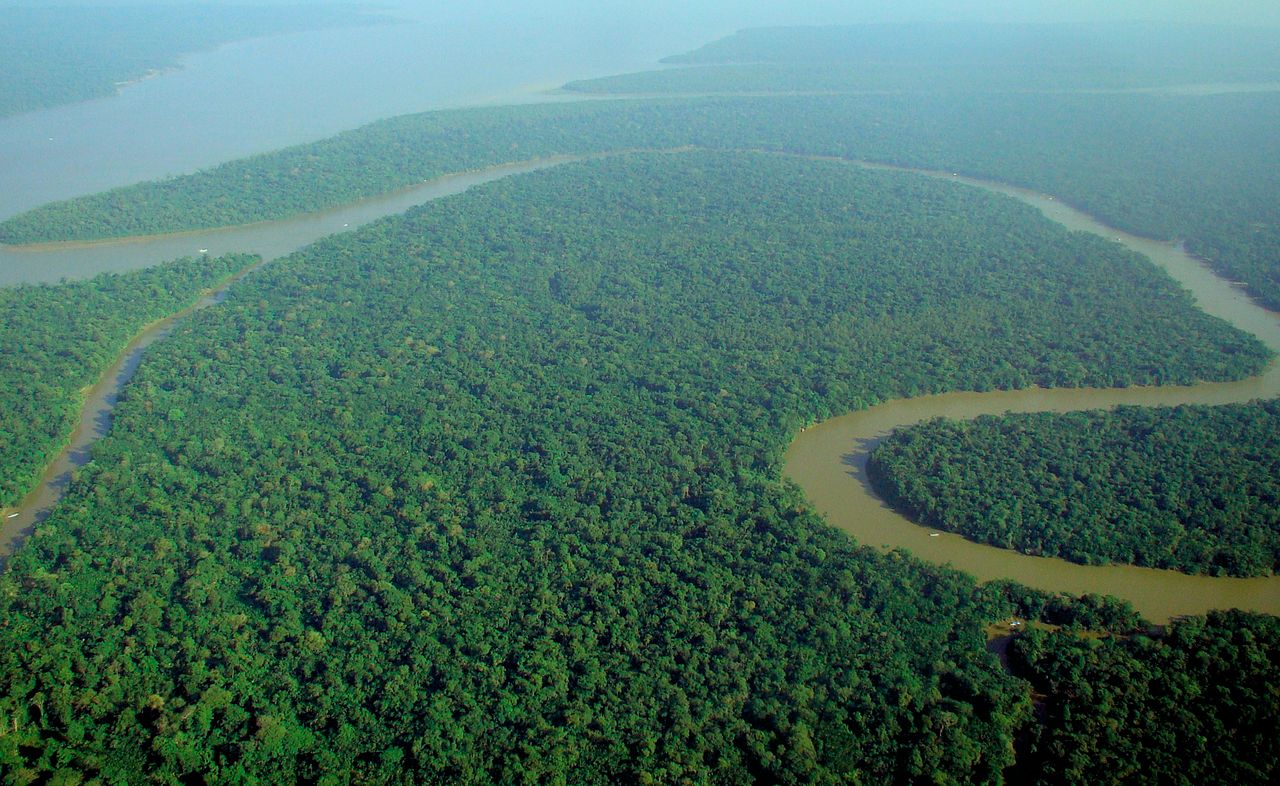
Brazil has approximately 497 million hectares of forest, including roughly 60% of the Amazon rainforest — the world's largest tropical forest. The Amazon alone contains about 10% of all species on Earth. However, deforestation has consumed approximately 17% of the Amazon since 1970, driven by cattle ranching, soybean farming, and logging.
3. Canada — 347 million hectares (38% of land)
Canada has 347 million hectares of forest, including the world's largest intact boreal forest. About 77% of Canada's forests are boreal, dominated by spruce, fir, and pine. Canada also has significant temperate rainforest on its Pacific coast, home to some of the world's tallest trees.
4. United States — 310 million hectares (34% of land)
The United States has 310 million hectares of forest spanning diverse biomes from the temperate rainforests of the Pacific Northwest to the hardwood forests of Appalachia and the subtropical forests of the Southeast. About 56% of US forests are privately owned.
5. China — 220 million hectares (23% of land)
China has 220 million hectares of forest and is the world leader in reforestation. Since the 1990s, China has planted more trees than the rest of the world combined through programs like the Three-North Shelter Forest Program (the "Great Green Wall"), increasing its forest cover from 12% to 23% of its territory.
6. Democratic Republic of Congo — 152 million hectares (67% of land)
The DRC contains 152 million hectares of forest, including the majority of the Congo Basin rainforest — the world's second-largest tropical rainforest. This forest is critical for global climate regulation and harbors iconic species like mountain gorillas, forest elephants, and bonobos.
7. Australia — 134 million hectares (17% of land)
Australia has 134 million hectares of forest, ranging from tropical rainforests in Queensland to eucalyptus forests across the southeast and temperate rainforests in Tasmania. The devastating 2019-2020 bushfire season burned approximately 17 million hectares.
8. Indonesia — 92 million hectares (49% of land)
Indonesia has 92 million hectares of forest, including some of the world's most biodiverse tropical rainforests. However, Indonesia has one of the highest deforestation rates globally, driven by palm oil plantations, pulp and paper, and mining.
9. Peru — 72 million hectares (57% of land)
Peru has 72 million hectares of forest, with the Peruvian Amazon covering about 60% of the country. Peru's forests are among the most biodiverse on Earth, with Manu National Park alone containing more bird species than the entire United States.
10. India — 72 million hectares (24% of land)
India has approximately 72 million hectares of forest cover, ranging from tropical dry forests to Himalayan alpine forests. The country has increased its forest cover in recent decades through afforestation programs, though quality and biodiversity of plantations remain concerns.
11. Mexico — 66 million hectares (34% of land)
Mexico has 66 million hectares of forest including tropical rainforests, cloud forests, and temperate pine-oak forests. Mexico's cloud forests are among the most endangered ecosystems in the world.
12. Colombia — 59 million hectares (52% of land)
Colombia has 59 million hectares of forest, including parts of the Amazon rainforest, Choco rainforest, and Andean cloud forests. Deforestation accelerated after the 2016 peace agreement as armed groups no longer restricted access to remote forested areas.
Key Context & Facts
- The world has approximately 4.06 billion hectares of forest, covering about 31% of the global land area. However, the planet has lost about one-third of its original forest cover since the last ice age.
- Between 2001 and 2020, the world lost approximately 411 million hectares of tree cover — an area larger than the entire European Union. Tropical deforestation accounts for the majority of this loss.
- The top five countries by forest area (Russia, Brazil, Canada, US, China) together hold more than 54% of the world's forests.
Final Thoughts
The world's forests are concentrated in a relatively small number of countries, with Russia, Brazil, and Canada together holding over 40% of the global total. While reforestation efforts in China offer hope, deforestation in the tropics continues at an alarming rate. Protecting the world's remaining forests is essential for biodiversity, climate stability, and the livelihoods of hundreds of millions of people.
Test Your Knowledge!
How well do you know world geography? Try our interactive games!
Play Geography Games →