
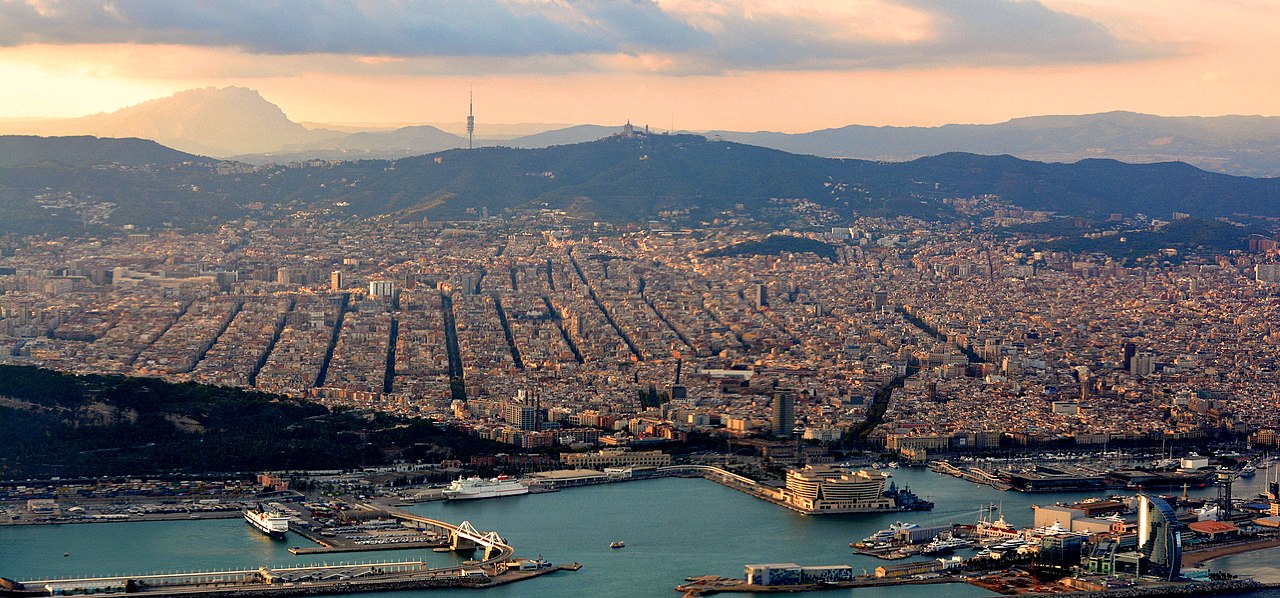
The economy of Spain has a GDP of approximately $1.6 trillion (2024), making it the 14th largest economy in the world and the fourth largest in the eurozone. Key industries include tourism, automotive manufacturing, and renewable energy. Its major exports are vehicles, machinery, and food products such as olive oil and wine, while its main trading partners are France, Germany, Italy, and Portugal.
Introduction
Spain is the eurozone's fourth-largest economy and the world's second-most visited country for tourism, trailing only neighbouring France. Its economic story over the past two decades is one of dramatic boom, painful bust, and remarkable recovery. After a severe housing crash and sovereign debt crisis between 2008 and 2014 pushed unemployment toward 27%, the country undertook deep structural reforms that have since made it one of the eurozone's strongest performers.
Today the Spanish economy rests on a diverse base spanning mass tourism, large-scale vehicle manufacturing, world-leading renewable energy, and a globally significant agricultural sector. Yet persistent challenges, particularly high youth unemployment and elevated public debt, continue to shape its outlook. Understanding how these strengths and weaknesses interact is key to understanding modern Spain.

GDP and Economic Overview
With a nominal GDP of roughly $1.6 trillion in 2024 and GDP per capita of about $33,090, Spain ranks among the world's wealthiest economies. What stands out most recently is its pace of growth: the economy expanded by around 2.5% in 2024, comfortably outpacing the eurozone average and the larger economies of Germany, France, and Italy. Strong domestic consumption, record tourism, and heavy investment in renewable energy have all fed this momentum.
The contrast with the previous decade is striking. The Spanish economy underwent a painful restructuring after the 2008 housing crash and the sovereign debt crisis that followed. Sweeping banking-sector reforms, labour market changes, and fiscal consolidation steadily repaired the economy's fundamentals. The legacy of that period, however, lingers in the public finances: government debt remains above 110% of GDP, leaving limited room for fiscal manoeuvre during future downturns. For broader context on the country itself, see our Spain country guide.
Key Industries
Spain's economic strength comes from a balanced mix of services, manufacturing, energy, and agriculture rather than dependence on any single sector. The pillars of the economy include:
- Tourism: Roughly 12% of GDP, with more than 85 million international visitors a year and over $90 billion in annual revenue.
- Automotive manufacturing: The EU's second-largest vehicle producer after Germany, building more than 2 million cars annually.
- Renewable energy: A global leader in wind and solar, with home-grown industrial champions.
- Agriculture: The world's largest olive oil producer and a leading exporter of wine and citrus.
- Financial services: Home to Santander and BBVA, two of Europe's largest internationally active banks.
Tourism is the most visible engine, anchored by Barcelona, Madrid, the Mediterranean coast, and the Balearic and Canary Islands. The automotive sector is more quietly important: factories operated by SEAT (part of Volkswagen), Renault, Ford, and Stellantis make Spain a manufacturing hub whose output is overwhelmingly exported. Meanwhile, wind and solar power have at times supplied more than half of the country's electricity in a given month, with companies such as Iberdrola and the Spain-linked Siemens Gamesa ranking among the world's largest wind energy players.
International Trade and Exports
Spain exports around $410 billion of goods each year against a trade deficit of roughly $45 billion. Its export base is notably diversified, which has helped insulate it from shocks in any one industry. The headline figures include:
- Top export: Vehicles, worth approximately $56 billion a year.
- Top imports: Mineral fuels, vehicles, and machinery.
- Leading partners: France (around 16% of exports), Germany (around 11%), followed by Italy and Portugal.
- Non-EU markets: The United States and the United Kingdom are important destinations.
Beyond cars and machinery, Spain is an agricultural export powerhouse. It is the world's largest exporter of olive oil, the third-largest exporter of wine, and a dominant supplier of citrus fruit to northern European markets. Pharmaceuticals and chemicals add further weight to the export ledger. Spain's deep cultural and linguistic ties to Latin America also support a strong flow of services trade and outward investment, giving its companies a natural bridge between Europe and the Americas.
Employment and Workforce
Spain's labour market is its most stubborn structural weakness. With a labour force of roughly 24 million, the unemployment rate stood at about 11.3% in 2024. While that figure remains high by European standards, it represents a dramatic improvement from the 27% peak reached in 2013. The defining problem is youth unemployment, which lingers near 27%, among the highest in the European Union.
- Labour force: Approximately 24 million people.
- Unemployment: 11.3%, high but steadily declining.
- Youth unemployment: Around 27%, among the EU's worst.
- Minimum wage: €1,134 per month, paid across 14 instalments.
- Seasonality: Tourism creates pronounced summer-winter swings in employment.
Recent reforms have raised the minimum wage substantially and pushed employers to convert temporary contracts into permanent ones, tackling a long-standing reliance on precarious short-term work. Regional disparities remain large, with the industrial north generally enjoying lower unemployment than the agricultural and tourism-dependent south. The seasonality of tourism also means joblessness typically eases in summer and rises in the off-season.
How Spain Compares to Similar Nations
Among large European economies, Spain occupies a distinctive middle ground. Compared with Italy, another southern European economy with a strong tourism and manufacturing base, Spain has grown considerably faster in recent years and carries somewhat lower public debt relative to GDP, though Italy retains a larger industrial export sector. Against Germany, the eurozone's manufacturing giant, Spain is a smaller and more services-oriented economy, yet it has recently outgrown Germany and rivals it as a vehicle producer.
Spain's renewable energy leadership sets it apart from many peers, comparable to Denmark in wind ambition but operating at far greater scale thanks to abundant sunshine in the south. Its chief vulnerability relative to northern European economies remains the labour market: even at its improved level, Spanish unemployment is roughly double that of Germany or the Netherlands. To see how its energy and farmland endowments underpin this profile, read our companion piece on the natural resources of Spain.
Key Facts
- Nominal GDP: Approximately $1.6 trillion (2024), the world's 14th largest.
- GDP per capita: About $33,090.
- GDP growth: Around 2.5% in 2024, outpacing the eurozone.
- Tourism: Roughly 12% of GDP and over 85 million annual visitors.
- Automotive: The EU's second-largest vehicle manufacturer.
- Currency: Euro (EUR).
- Public debt: Above 110% of GDP.
Frequently Asked Questions
How large is the economy of Spain?
Spain has a nominal GDP of approximately $1.6 trillion as of 2024, making it the 14th largest economy in the world and the fourth largest within the eurozone. GDP per capita is around $33,090, and the economy grew about 2.5% in 2024.
What are Spain's most important industries?
Tourism is the standout sector at roughly 12% of GDP, supported by more than 85 million annual visitors. Automotive manufacturing, renewable energy, agriculture, and financial services are also central, with Spain ranking as the EU's second-largest car producer and a global leader in wind and solar power.
Who are Spain's main trading partners?
France is Spain's largest export market at around 16%, followed by Germany at about 11%, with Italy and Portugal close behind. The United States and United Kingdom are the most significant non-EU destinations. Vehicles, machinery, and food products such as olive oil and wine lead the export mix.
Why is unemployment so high in Spain?
Spain's unemployment rate of about 11.3% reflects structural issues including a heavy reliance on seasonal tourism, a historic prevalence of temporary contracts, and large regional disparities. Youth unemployment is especially severe at around 27%, though recent labour reforms and minimum wage increases have helped the overall rate fall sharply from its 27% peak in 2013.