

Over 25 countries have circles on their flags: Japan, Bangladesh, South Korea, Brazil, Palau, Laos, Niger, India (Ashoka Chakra), Belize, and more.
Circles appear on over 25 national flags, from Japan's iconic red disc and Brazil's blue globe to South Korea's Taeguk and Bangladesh's red circle.
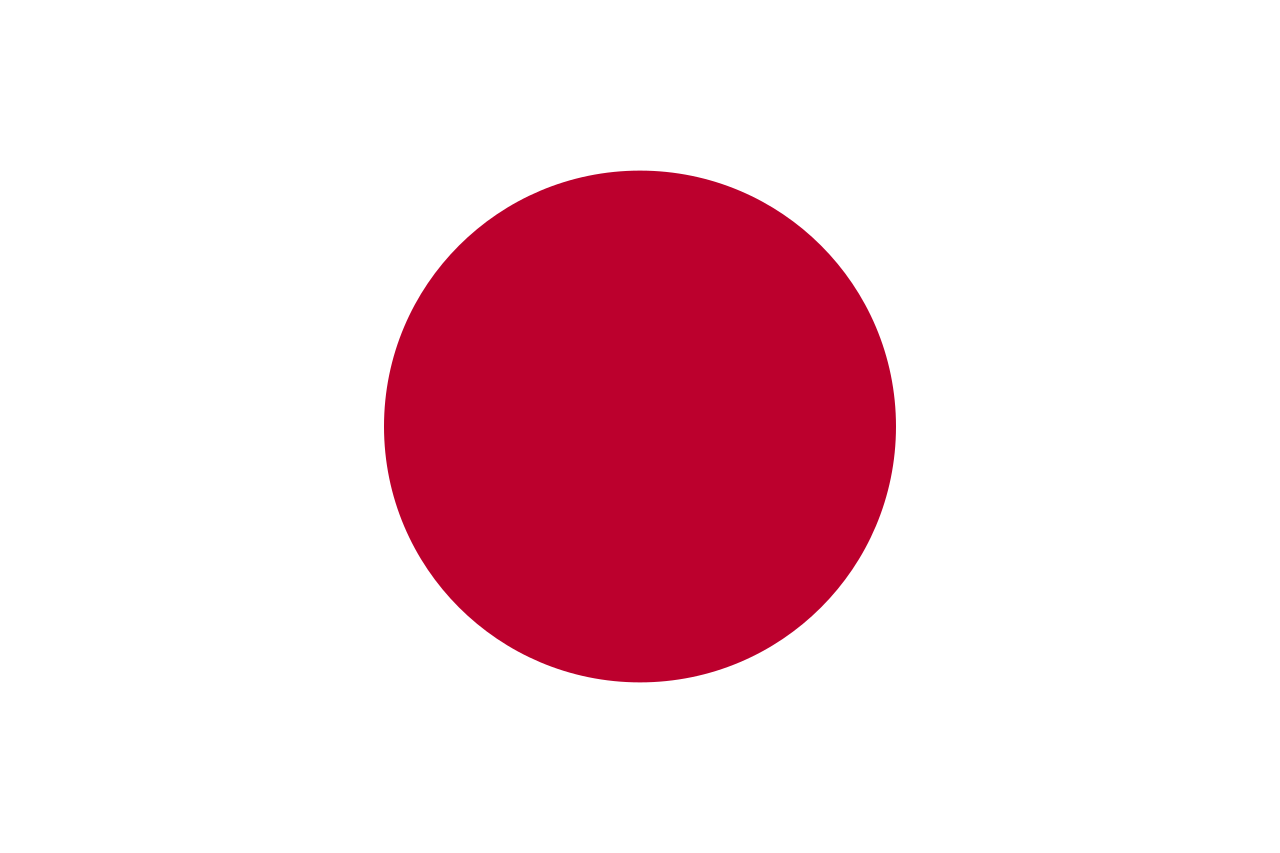
Countries With Circles on Their Flags
- Japan: White with red circle — simplest and most iconic circle flag
- Bangladesh: Green with red circle (offset to the left so it appears centered when flying)
- South Korea: White with red and blue Taeguk (yin-yang circle)
- Brazil: Green and yellow with blue globe showing stars and white band
- Palau: Blue with golden circle (full moon)
- Laos: Blue stripe with white circle flanked by red stripes
- Niger: Orange, white, green with orange circle (sun)
- India: Saffron, white, green with blue Ashoka Chakra (24-spoke wheel)
- Belize: Blue with red stripes and circular coat of arms
- Paraguay: Tricolor with circular seals on both sides (unique double-sided flag)
- Portugal: Green and red with circular armillary sphere and coat of arms
- Dominica: Green with cross and circular parrot emblem
- Kyrgyzstan: Red with yellow sun containing circular tunduk pattern
- Tunisia: Red with white circle containing red crescent and star
- Greenland: White and red with circle in counterchanged colors
- Cambodia: Blue and red with white Angkor Wat in central panel
Circle Symbolism on Flags
Circles on flags represent completeness, unity, the sun, the moon, and cosmic harmony. Japan's red circle represents the sun and connects to the country's name "Land of the Rising Sun." Bangladesh's red circle represents both the sun and the blood of independence martyrs — it is deliberately offset to the left so that when the flag flies in the wind, the circle appears centered. South Korea's Taeguk represents the cosmic balance of opposing forces (yin and yang). India's Ashoka Chakra represents the eternal wheel of law (dharma). Brazil's celestial globe shows the sky as seen from Rio de Janeiro on the night the republic was proclaimed.
Key Facts
- Over 25 countries feature circles or circular designs on their flags.
- Japan's flag is the most recognized circle-based flag in the world.
- Bangladesh's red circle is intentionally offset to appear centered when the flag is flying.
- India's Ashoka Chakra has exactly 24 spokes representing the 24 hours of the day.
- South Korea's Taeguk is based on the ancient East Asian yin-yang concept.
Fun Facts
- Paraguay is the only country with a flag that has different designs on its front and back — both featuring circular emblems.
- Bangladesh's flag proportions were specifically calculated so the red circle appears centered to observers when the flag is waving in the wind.
- Japan's flag is called "Hinomaru" (circle of the sun) and has been in use since at least the 12th century.
- Greenland's flag uses a half-red, half-white circle on a counterchanged background, representing the sun setting over ice and ocean.
Final Thoughts
Circles bring balance, completeness, and cosmic symbolism to flag designs. From Japan's elegant simplicity to Brazil's celestial complexity, circular elements on flags represent some of the most thoughtful and meaningful design choices in vexillology.
Test Your Knowledge!
Think you know your world geography? Try our interactive quiz!
Play Geography Games →