
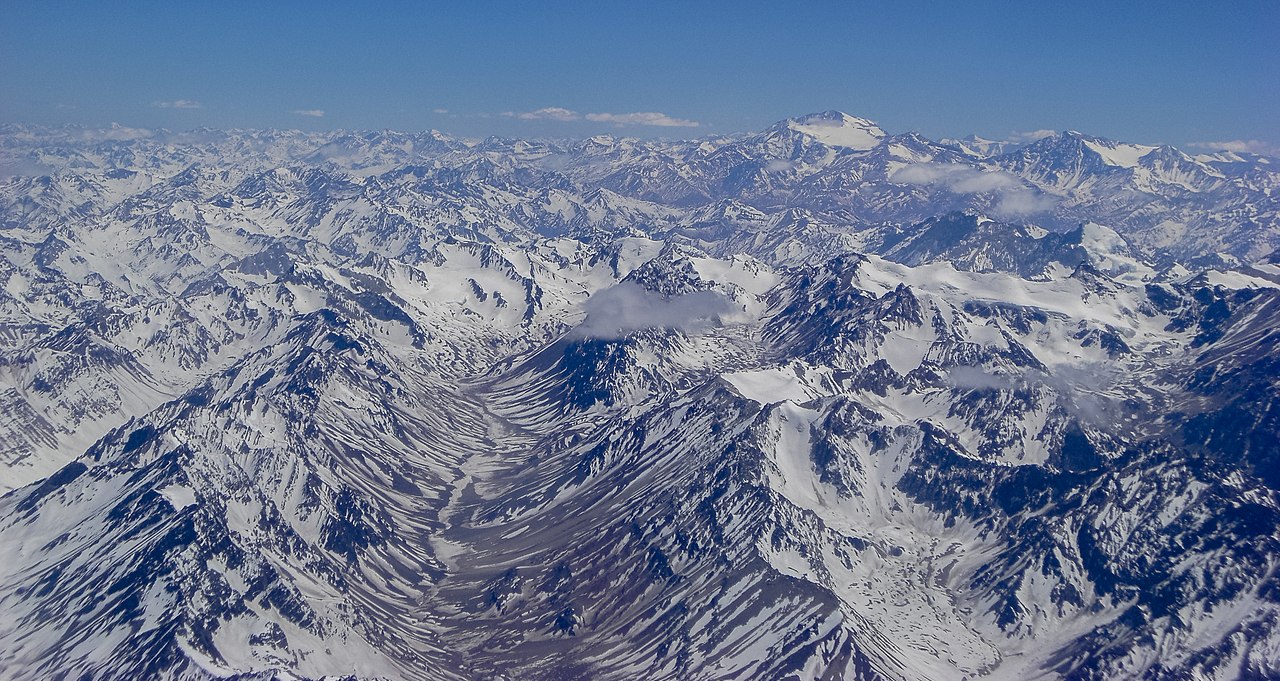
Quinoa is one of the most remarkable stories in modern food geography. For over 5,000 years, this pseudocereal was cultivated almost exclusively on the high Altiplano of Bolivia and Peru, at altitudes between 3,500 and 4,200 meters where virtually no other grain crop can survive. Global production hovered around 30,000 tonnes annually until the early 2000s, when Western demand for the "superfood" triggered a boom that has pushed production past 230,000 tonnes and spread cultivation to over 70 countries.
Introduction
The geography of quinoa is a story of extreme adaptation. The plant thrives in conditions that would kill most crops: thin air at 4,000 meters, temperature swings from 38°C to -8°C in a single day, annual rainfall below 300 millimeters, and highly saline soils. This resilience, combined with quinoa's exceptional nutritional profile (14% protein, all nine essential amino acids), has made it a focus of food security research as climate change threatens conventional grain production worldwide.

The Andean Heartland
- Bolivia: Largest producer (~44% of global output, ~100,000 tonnes)
- Peru: Second largest (~38%, ~87,000 tonnes)
- Altiplano Altitude: 3,500-4,200 meters above sea level
- Varieties: ~3,000 known cultivars in the Andes
Bolivia and Peru together produce over 80% of the world's quinoa, with the Southern Altiplano of Bolivia — a vast, windswept plateau surrounding the Salar de Uyuni salt flat — as the historic center of production. The Royal Quinoa (Quinoa Real) variety from this region, grown at altitudes above 3,700 meters on sandy, mineral-rich soils, commands premium prices for its large grain size and mild flavor. The Altiplano's extreme conditions — temperatures that regularly drop below freezing at night, intense UV radiation, and annual rainfall of just 150-300 millimeters — produce quinoa with higher protein content than lowland-grown varieties.
Peru's Puno region, on the shores of Lake Titicaca, is the second great quinoa zone, with production concentrated between 3,800 and 4,000 meters. The Peruvian government has identified over 3,000 quinoa cultivars in national seed banks, ranging from white and red to black and purple, each adapted to specific microclimates. Ecuador's highlands produce smaller quantities of a distinctive sweet quinoa used in traditional chicha beverages.
The Global Quinoa Boom
- 2000 Production: ~30,000 tonnes globally
- 2023 Production: ~230,000 tonnes globally
- Price Spike: From $1,300/tonne (2006) to $6,700/tonne (2014)
- UN Year of Quinoa: 2013, proposed by Bolivia
Quinoa's transformation from obscure Andean grain to global superfood began in the 1990s when nutritionists highlighted its complete amino acid profile. Demand from the US and Europe drove prices from roughly $1,300 per tonne in 2006 to a peak of $6,700 per tonne in 2014. Bolivian and Peruvian farmers rapidly expanded production, converting virgin Altiplano land and reducing fallow periods that had traditionally maintained soil fertility.
The United Nations declared 2013 the International Year of Quinoa, proposed by Bolivia, which further accelerated global awareness. US quinoa imports grew from virtually zero in 1990 to over 38,000 tonnes by 2020, making it the largest import market. The price spike had complex effects in the Andes: farmers earned more but some communities could no longer afford to eat their own traditional staple, substituting cheaper imported pasta and rice.
New Production Geographies
- North America: US, Canada growing acreage (Colorado, Washington, Saskatchewan)
- Europe: France, Netherlands, UK, Spain experimenting
- Africa: Kenya, Mali, Ethiopia testing heat-tolerant varieties
- Asia: India, China, Pakistan expanding cultivation
The quinoa boom has spurred cultivation attempts on every continent except Antarctica. The United States grows quinoa commercially in Colorado's San Luis Valley (similar altitude and aridity to the Altiplano) and Washington's Skagit Valley, where researchers have developed sea-level-adapted varieties. Canadian production in Saskatchewan has grown rapidly, leveraging the province's experience with specialty crops and its short but intense growing season.
The most ambitious expansion is in Africa, where quinoa's drought tolerance makes it a potential food security crop. FAO trials in Kenya, Burkina Faso, and Mali have shown promising yields, though adapting the crop to tropical day-length conditions requires ongoing breeding work. India has emerged as a significant new producer, with cultivation expanding in Rajasthan and Uttarakhand. China has planted over 10,000 hectares, primarily in Shanxi and Inner Mongolia, though yields remain below Andean levels.
Climate Resilience & Food Security
- Water Requirement: 250-500 mm rainfall (vs. 500-800 mm for wheat)
- Temperature Tolerance: -8°C to 38°C
- Soil Tolerance: Grows in saline soils (up to 40 mS/cm EC)
- Protein Content: 12-16%, with all 9 essential amino acids
Quinoa's extraordinary climate resilience is what makes it geographically significant for food security. The plant can produce yields on as little as 250 millimeters of annual rainfall — roughly half what wheat requires. It tolerates soil salinity levels that would kill rice, maize, or wheat, making it suitable for marginal lands affected by irrigation-induced salinization. Its temperature tolerance range of -8°C to 38°C exceeds that of any major cereal crop.
NASA has identified quinoa as a potential crop for long-duration space missions due to its nutritional completeness and hardiness. More immediately, climate scientists see quinoa as a model for crop adaptation. As climate change reduces water availability and increases soil salinity across major agricultural regions, quinoa's genetics offer a roadmap for breeding resilience into other crops. The FAO estimates that quinoa could play a critical role in feeding an additional 2 billion people by 2050.
Key Facts
- Bolivia and Peru together produce over 80% of the world's quinoa (~187,000 tonnes combined).
- Quinoa has been cultivated in the Andes for over 5,000 years at altitudes above 3,500 meters.
- Global quinoa prices spiked from ~$1,300/tonne in 2006 to ~$6,700/tonne in 2014.
- Quinoa tolerates soil salinity, drought, and temperature extremes that would kill conventional grain crops.
- Over 70 countries now cultivate or trial quinoa, up from essentially 2 countries before 2000.
Fun Facts
- The Inca emperor traditionally planted the first quinoa seeds of the season using a golden spade.
- Spanish colonizers suppressed quinoa cultivation for centuries, considering it "Indian food" and promoting wheat instead.
- NASA has studied quinoa as a candidate crop for space colonies due to its complete amino acid profile.
- Bolivia's Salar de Uyuni salt flat, the world's largest, is surrounded by the most prized Royal Quinoa growing regions.
Final Thoughts
Quinoa's journey from a subsistence crop on the Andean Altiplano to a globally traded superfood is one of the most dramatic geographic transformations in modern agriculture. Its remarkable ability to thrive in conditions that defeat other crops makes it both a symbol of indigenous agricultural knowledge and a potential lifeline for food security in a warming world. The challenge now is ensuring that quinoa's globalization benefits the Andean communities that preserved it for five millennia.
Test Your Knowledge!
Think you know your food geography? Try our interactive quiz!
Play Geography Games →