
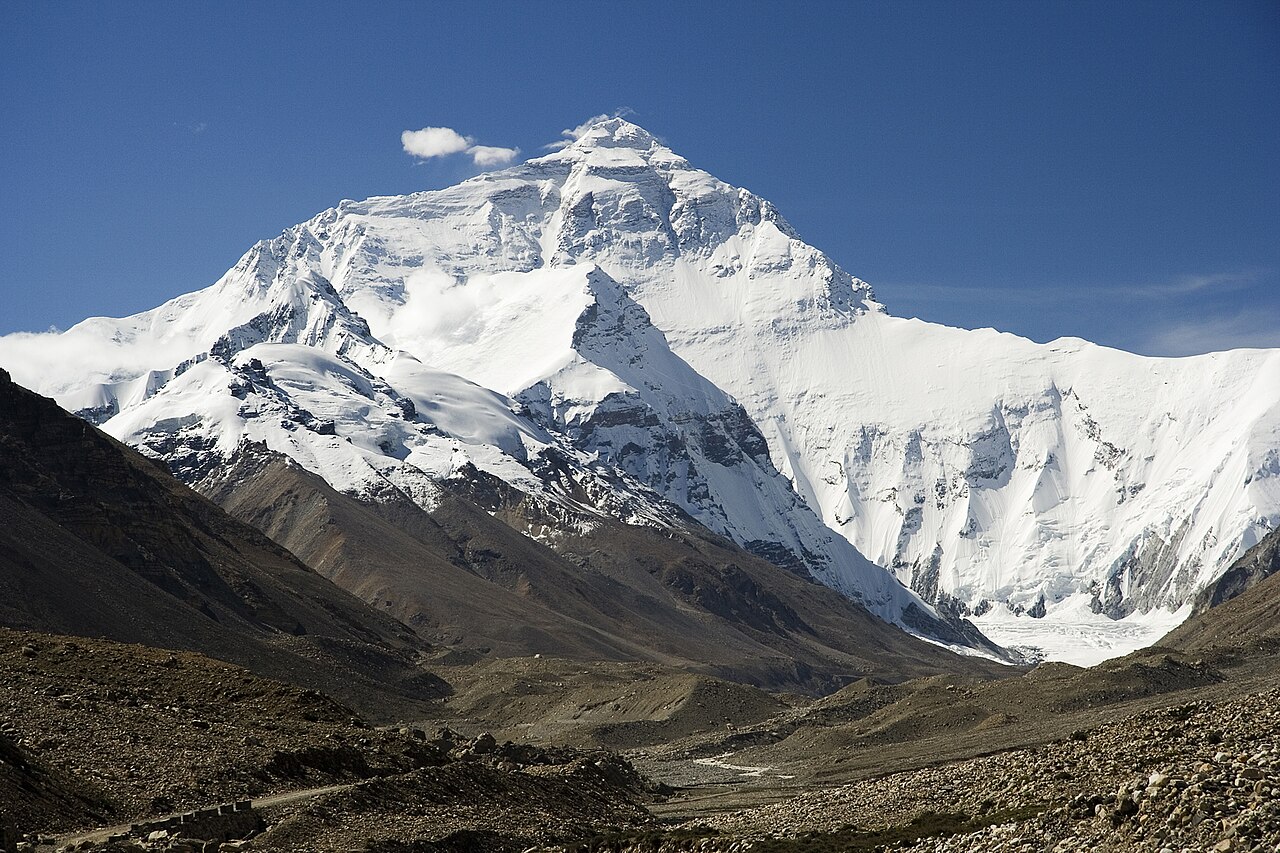
The main difference between a hill and a mountain is height: mountains are generally over 600 meters (2,000 feet) tall with steep sides and a defined peak, while hills are lower, more rounded, and have gentler slopes. The exact dividing line varies by country — the UK uses 600 meters, the US has no official definition.

Quick Answer
A mountain is a large, elevated landform that rises steeply above its surroundings, typically over 600 meters (2,000 feet) in height. A hill is a smaller, rounded elevation with gentler slopes. However, there is no single universal definition that all countries and geographers agree on — the distinction has historically been subjective and culturally influenced.
Key Differences
| Feature | Mountain | Hill |
|---|---|---|
| Height | Generally over 600 m (2,000 ft) | Generally under 600 m |
| Slope | Steep, often with cliffs | Gentle to moderate |
| Summit | Defined peak or ridge | Rounded top |
| Formation | Tectonic, volcanic | Erosion, glacial deposits |
| Climate zones | Multiple (varied with altitude) | Usually one |
| Snow | Often has permanent snow/glaciers | Rarely has permanent snow |
| Examples | Everest, K2, Mont Blanc, Denali | Capitol Hill, Primrose Hill, Seven Hills of Rome |
Height Definitions Around the World
The UK historically used 1,000 feet (305 m) as the threshold, but revised this to 600 meters (1,969 feet) in more recent usage. Mountains under 600 m in the UK are technically hills, while elevated areas under 2,000 feet were historically called "fells" in Northern England and "bens" in Scotland.
The United States has no official minimum height for a mountain. The US Geological Survey (USGS) once defined a mountain as an elevation over 1,000 feet (305 m) with 300+ feet of local relief, but this definition was abandoned, and the USGS now makes no formal distinction.
In international geomorphology, there is no agreed-upon threshold. The United Nations Environment Programme defines mountainous terrain using a combination of elevation, slope, and local elevation range rather than a single cutoff.
It's Not Just About Height
Height alone does not determine whether a landform is a hill or a mountain. Other factors include:
Steepness: Mountains have significantly steeper gradients than hills. A 500-meter-tall landform with sheer cliffs may be called a mountain, while a 700-meter feature with gentle slopes might be called a hill.
Local relief: How much the landform rises above its immediate surroundings matters. A 2,000-meter plateau with 100 meters of local relief might not feel "mountainous," while a 600-meter peak rising sharply from sea level is dramatic.
Cultural tradition: Many hills and mountains were named centuries ago based on local perception rather than measurement. Some "hills" are taller than some "mountains" simply because of historical naming.
Famous Naming Controversies
Ben Nevis (1,345 m) is the highest mountain in the British Isles. If it were in the Himalayas, it would barely be noticed — but by UK standards, it is unmistakably a mountain.
Cavanal Hill (609 m) in Oklahoma claims to be the "world's highest hill." At 609 meters, it exceeds many definitions of a mountain, but it has traditionally been called a hill.
Mount Wycheproof (43 m) in Australia is registered as the world's smallest mountain. At just 43 meters above the surrounding plain, it challenges any height-based definition.
The Black Hills of South Dakota include peaks over 2,200 meters (Harney Peak/Black Elk Peak), yet the entire range is called "hills" — a name given by the Lakota people long before European measurement.
How Mountains and Hills Form
Mountains are primarily formed by tectonic forces — the collision of continental plates (Himalayas, Alps), volcanic activity (Mount Fuji, Kilimanjaro), or fault-block uplift (Tetons, Sierra Nevada). These processes create steep, high landforms over millions of years.
Hills can form through erosion of mountains (wearing down over millions of years), glacial deposits (drumlins, moraines), volcanic remnants (buttes), or sedimentary folding. Hills can also be human-made — burial mounds, landfill hills, and spoil heaps from mining are all artificial hills.
Key Facts
- There is no universal height threshold separating hills from mountains.
- The UK uses 600 meters (2,000 feet) as a common threshold.
- The US has no official definition — the USGS abandoned its height criteria.
- Steepness, local relief, and cultural tradition all influence classification.
- Mountains are typically formed by tectonic or volcanic forces; hills often by erosion.
- Some "hills" are taller than some "mountains" due to historical naming.
Fun Facts
- Mount Wycheproof in Australia (43 m) is considered the smallest registered mountain in the world.
- Cavanal Hill in Oklahoma (609 m) claims to be the world's tallest hill.
- The Seven Hills of Rome, on which the ancient city was founded, are all under 60 meters.
- In Nepal, a 2,000-meter peak would barely be considered a foothill — context matters enormously.
Final Thoughts
The distinction between a hill and a mountain has no single correct answer. Height, steepness, local relief, and cultural tradition all play a role. While 600 meters is a common threshold, exceptions abound in every direction. What matters most is understanding the geological processes that create these landforms and appreciating their role in shaping landscapes and human settlement patterns.
Test Your Knowledge!
Think you know your geography? Try our interactive quizzes and games!
Play Geography Games →