
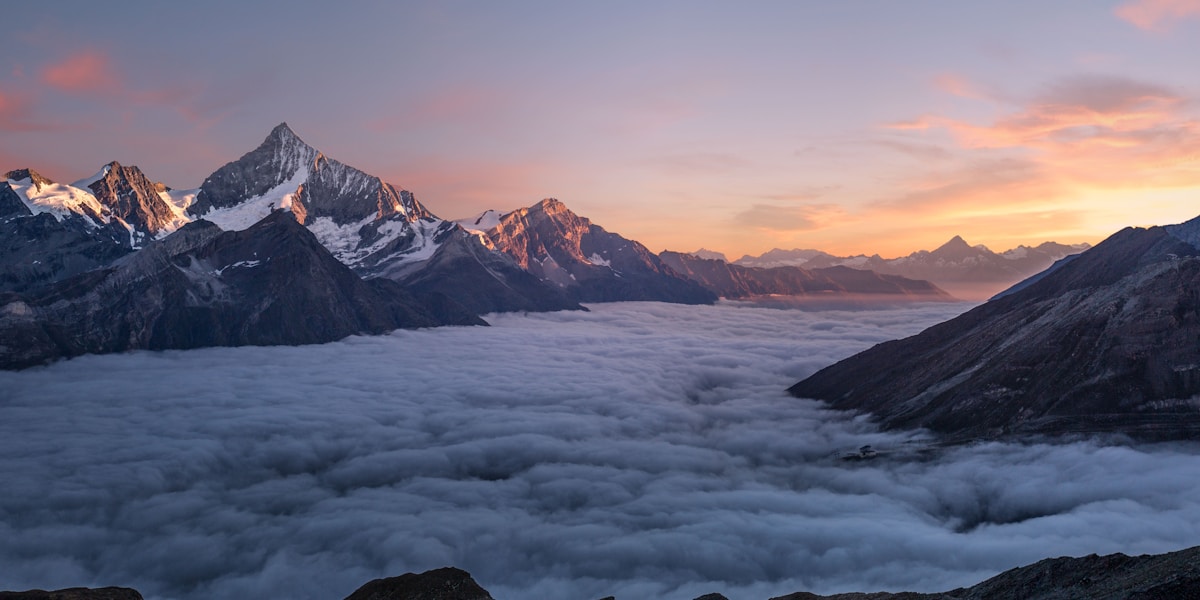
The longest glacier-fed rivers in the world include the Indus (3,180 km), Ganges (2,525 km), Brahmaputra (3,848 km), and Yukon (3,190 km). These rivers originate from glacial meltwater in high mountain ranges and sustain over 2 billion people downstream through irrigation, drinking water, and hydroelectric power.
Introduction
Glacier-fed rivers are lifelines for civilizations. They originate from melting glaciers high in mountain ranges — the Himalayas, Andes, Alps, and Rockies — and flow thousands of kilometers to the sea. Unlike rain-fed rivers, glacier-fed rivers maintain flow during dry seasons when meltwater compensates for lack of rainfall, making them critical for agriculture in arid regions.
As global temperatures rise, glaciers are retreating worldwide, threatening the long-term water supply of billions of people who depend on these rivers. Understanding the world's longest glacier-fed rivers is essential for appreciating both their current importance and their uncertain future.

1. Brahmaputra River
- Length: 3,848 km (2,391 mi)
- Glacier Source: Angsi Glacier, Tibet
- Countries: China (Tibet), India, Bangladesh
- Glacier Contribution: ~12% of annual flow
The Brahmaputra is the longest glacier-fed river on this list. It originates from the Angsi Glacier near Mount Kailash in Tibet, flows eastward across the Tibetan Plateau, then makes a dramatic U-turn through the world's deepest canyon (the Yarlung Tsangpo Grand Canyon, over 5,000 m deep) before entering India's Assam Valley and Bangladesh.
In Bangladesh, the Brahmaputra joins the Ganges to form the world's largest river delta. During monsoon season, the river can be 20 km wide and carries enormous sediment loads that build the delta but also cause devastating floods.
2. Yukon River
- Length: 3,190 km (1,982 mi)
- Glacier Source: Llewellyn Glacier, British Columbia
- Countries: Canada, United States (Alaska)
- Glacier Contribution: ~10% of annual flow
The Yukon River is North America's longest glacier-fed river, originating from the Llewellyn Glacier at the southern end of Atlin Lake in British Columbia. It flows northwestward through the Yukon Territory and across Alaska to the Bering Sea. The Yukon was the primary transportation route during the Klondike Gold Rush of 1896-1899.
The river remains largely wild and undammed, making it one of the longest free-flowing rivers in North America. Its salmon runs, particularly king (chinook) salmon, are vital to indigenous communities along its length.
3. Indus River
- Length: 3,180 km (1,976 mi)
- Glacier Source: Glaciers near Lake Mansarovar, Tibet
- Countries: China, India, Pakistan
- Glacier Contribution: ~40-50% of dry season flow
The Indus is perhaps the most glacier-dependent major river on Earth. During Pakistan's dry season, glacial meltwater from the Karakoram and western Himalayan glaciers provides up to half of the river's flow. The Indus irrigates one of the world's largest irrigation systems, supporting over 200 million people in Pakistan's Punjab and Sindh provinces.
The ancient Indus Valley Civilization (3300-1300 BCE) developed along this river, creating some of humanity's earliest cities at Mohenjo-daro and Harappa. Today, the Indus faces threats from glacier retreat, water diversion, and pollution.
4. Ganges River
- Length: 2,525 km (1,569 mi)
- Glacier Source: Gangotri Glacier, Uttarakhand, India
- Countries: India, Bangladesh
- Glacier Contribution: ~10-20% of dry season flow
The Ganges originates from the Gangotri Glacier at an elevation of 3,892 meters in the Indian Himalayas. Considered sacred in Hinduism, it is perhaps the world's most culturally significant river. The Gangotri Glacier has been retreating at approximately 10-30 meters per year, raising concerns about the river's long-term flow.
The Ganges basin supports over 400 million people — the highest population density of any river basin on Earth. Its waters are essential for agriculture across the Indo-Gangetic Plain, one of the world's most productive farming regions.
5. Rhône River
- Length: 813 km (505 mi)
- Glacier Source: Rhône Glacier, Swiss Alps
- Countries: Switzerland, France
- Glacier Contribution: ~8% of annual flow
The Rhône originates from the Rhône Glacier in the Swiss Alps at about 2,200 meters elevation. It flows through Lake Geneva (one of Europe's largest lakes), through France's Rhône Valley wine region, and empties into the Mediterranean near Marseille. The Rhône Glacier has lost over 1.3 km in length since 1850 and is now covered with white blankets to slow melting.
6. Rhine River
- Length: 1,230 km (764 mi)
- Glacier Source: Rhine Glacier (Rheinwaldhorn), Swiss Alps
- Countries: Switzerland, Liechtenstein, Austria, Germany, France, Netherlands
- Glacier Contribution: ~5% of annual flow
The Rhine originates from the Rhine Glacier in the Swiss Alps and flows through six countries to the North Sea. While glacial contribution to total flow is modest, it is crucial during summer low-flow periods. The Rhine is Europe's busiest commercial waterway, carrying over 300 million tonnes of cargo annually.
The Rhine's glacier-fed tributaries from the Alps help maintain water levels during hot summers when other rivers run low, making glacial input economically significant for shipping and industry.
7. Amu Darya
- Length: 2,400 km (1,491 mi)
- Glacier Source: Pamir and Hindu Kush glaciers
- Countries: Afghanistan, Tajikistan, Turkmenistan, Uzbekistan
- Glacier Contribution: ~20-30% of annual flow
The Amu Darya, the ancient Oxus River, originates from glaciers in the Pamir Mountains and Hindu Kush. It historically flowed into the Aral Sea, but massive Soviet-era irrigation diversions reduced the Aral to a fraction of its former size — one of the greatest environmental disasters of the 20th century.
Glacial meltwater is essential for cotton farming across Central Asia. As Pamir glaciers retreat, the long-term viability of downstream agriculture is increasingly uncertain.
8. Syr Darya
- Length: 2,212 km (1,374 mi)
- Glacier Source: Tien Shan glaciers, Kyrgyzstan
- Countries: Kyrgyzstan, Uzbekistan, Tajikistan, Kazakhstan
- Glacier Contribution: ~15-25% of annual flow
The Syr Darya originates from Tien Shan glaciers in Kyrgyzstan and flows northwest through the Fergana Valley and across the Kazakh steppe. Like the Amu Darya, heavy irrigation diversions have severely reduced its flow reaching the Aral Sea. The Syr Darya irrigates millions of hectares of cotton and wheat in Central Asia.
9. Columbia River
- Length: 2,000 km (1,243 mi)
- Glacier Source: Columbia Glacier and Rocky Mountain glaciers
- Countries: Canada, United States
- Glacier Contribution: ~5-8% of annual flow
The Columbia River originates from Columbia Lake in the Canadian Rockies, fed by surrounding glaciers. It flows through British Columbia and the Pacific Northwest, producing more hydroelectric power than any other North American river. The Grand Coulee Dam on the Columbia is one of the largest concrete structures in the world.
Glacial meltwater helps sustain summer flows critical for salmon migration, hydropower generation, and irrigation across Washington and Oregon.
10. Ob River
- Length: 3,650 km (2,268 mi)
- Glacier Source: Altai Mountain glaciers
- Countries: Russia, Kazakhstan, China
- Glacier Contribution: ~5-10% of annual flow
The Ob originates from the confluence of the Biya and Katun rivers in Russia's Altai Mountains, where the Katun is fed by glaciers including the Gebler Glacier on Mount Belukha. The Ob-Irtysh system is the seventh longest river in the world and drains the vast West Siberian Plain.
Altai glaciers have lost approximately 30% of their area since the mid-20th century, though the Ob's enormous watershed means it receives significant flow from snowmelt and rainfall as well.
The Glacier Retreat Crisis
Glaciers worldwide are retreating at accelerating rates. The Himalayan glaciers, which feed rivers sustaining nearly 2 billion people, could lose up to two-thirds of their ice by 2100 under current warming trends. Initially, glacier retreat increases river flow as stored ice melts faster. But once glaciers shrink past a critical threshold, dry-season flows will decline dramatically — a scenario called "peak water."
Many glacier-fed river basins have already passed or are approaching peak water, meaning future generations will face declining water supplies from these sources.
Key Facts
- The Indus River receives up to 50% of its dry-season flow from Karakoram glaciers.
- The Ganges basin supports over 400 million people — the densest river basin population on Earth.
- The Brahmaputra passes through the world's deepest canyon, over 5,000 meters deep.
- Himalayan glaciers could lose two-thirds of their ice by 2100 under current warming.
- The Aral Sea disaster was caused by diverting glacier-fed rivers (Amu Darya and Syr Darya) for irrigation.
Fun Facts
- The Rhône Glacier in Switzerland is wrapped in white blankets each summer to slow its melting — a surreal sight.
- The Yukon River was the "highway" of the Klondike Gold Rush, with prospectors riding makeshift boats downstream.
- The word "Ganges" comes from the Sanskrit "Ganga," a goddess in Hindu mythology who descended from heaven as a river.
- The Columbia River's hydropower dams produce enough electricity to power 8 million homes.
Final Thoughts
Glacier-fed rivers are among the most important waterways on Earth, sustaining billions of people through agriculture, drinking water, and hydropower. As climate change accelerates glacier retreat, the future of these rivers — and the communities that depend on them — hangs in the balance. Understanding their glacial origins helps us appreciate both their immense value and the urgency of protecting them.
Test Your Knowledge!
Think you know your geography? Try our interactive quizzes!
Play Geography Games →