
Islands impose a natural constraint on human settlement: they have finite land, and you cannot simply sprawl outward. This has produced some of the most densely populated places on Earth, from tiny coral atolls to massive volcanic islands.
Introduction
The most densely populated islands face extreme challenges — limited freshwater, waste disposal, housing shortages, and vulnerability to sea-level rise. Yet many island communities have developed innovative solutions to thrive in these constrained environments.

1. Java, Indonesia
- Population: 150 million
- Area: 129,000 km²
- Density: 1,163 per km²
- Share of Indonesian Population: 54%
Java is the most populated island in the world, home to 150 million people on an area roughly the size of New York State. If Java were a country, it would be the 9th most populous nation on Earth.
Java's extraordinary density is due to its incredibly fertile volcanic soils — the island has 45 active volcanoes. Wet rice cultivation supports dense populations, and Jakarta (11 million) plus Surabaya (3 million) are major economic centers. The Indonesian government is building a new capital on Borneo partly to relieve Java's overcrowding.
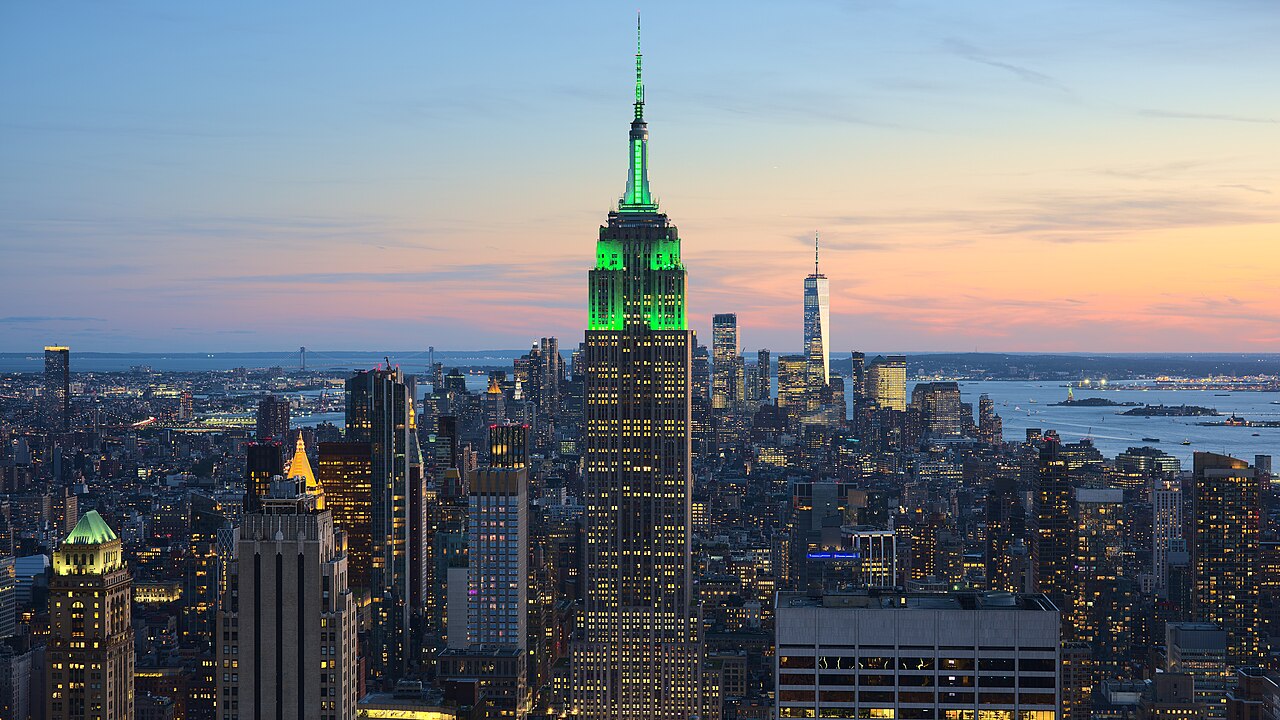
2. Manhattan, New York
- Population: 1.63 million
- Area: 59 km²
- Density: 27,500 per km²
- Daytime Population: 4 million+
Manhattan is the most densely populated major island territory in the Western world. During business hours, commuters swell the island's population to over 4 million, creating a density exceeding 65,000 per km².
Manhattan's extreme density is made possible by vertical living — the island has over 47,000 apartment buildings. Central Park (3.4 km²) provides crucial green space equivalent to 1.2 million square meters. Real estate here averages $1,500 per square foot, the highest in the Americas.
3. Malé, Maldives
- Population: 252,000
- Area: 8.3 km²
- Density: 30,360 per km²
- Country Share: 40% of national population
Malé is one of the most densely populated islands on Earth, packing 252,000 people onto just 8.3 km². The island has been artificially expanded through land reclamation, and a bridge now connects it to the airport island of Hulhumalé.
With a maximum elevation of just 2.4 meters, Malé is extremely vulnerable to sea-level rise. The government has built a seawall around the entire island and is developing Hulhumalé as a flood-resilient satellite city designed to house 240,000 people.
4. Hong Kong Island
- Population: 1.3 million
- Area: 80.7 km²
- Density: 16,100 per km²
- Building Density: Over 9,000 skyscrapers
Hong Kong Island is the dense core of one of the world's most vertical cities. The steep terrain means habitable land is limited, pushing buildings skyward — Hong Kong has more skyscrapers than any other city on Earth.
The average apartment size in Hong Kong is just 40 m² (430 sq ft), and housing costs consume 70% of median household income. Innovative micro-apartments as small as 12 m² have emerged, and some residents live in subdivided "coffin homes" smaller than a parking space.
5. Santa Cruz del Islote, Colombia
- Population: ~1,200
- Area: 0.012 km²
- Density: ~100,000 per km²
- Location: Caribbean Sea
Santa Cruz del Islote is the most densely populated island on Earth by area. This tiny Caribbean island packs 1,200 people onto just 12,000 m² — about the size of two football fields.
There are no cars, no police station, and no cemetery on the island. Children learn to swim before they walk, and residents sleep in hammocks on rooftops during hot nights. Despite the extreme crowding, the community is tight-knit and crime is virtually nonexistent.
Key Facts
- Java (150M people) is the most populated island — more people than Russia
- Santa Cruz del Islote has ~100,000 people/km² — the world's densest island
- Manhattan's daytime density exceeds 65,000 per km²
- Hong Kong has 9,000+ skyscrapers — more than any city on Earth
- Malé, Maldives packs 40% of the nation onto one 8.3 km² island
Fun Facts
- If the whole world lived at Manhattan density, all 8 billion people would fit in an area the size of New Zealand
- Santa Cruz del Islote has no fresh water — all drinking water is shipped from the mainland
- Hong Kong's "coffin homes" can be as small as 1.5 m² per person
- Java has more people than the entire continent of South America had in 1950
Final Thoughts
The world's most densely populated islands showcase human ingenuity in adapting to spatial constraints. From the vertical living of Manhattan and Hong Kong to the communal life of Santa Cruz del Islote, island populations have found creative ways to thrive in finite space — offering lessons for an increasingly crowded world.
Test Your Knowledge!
Think you know your population and demographics? Try our interactive quiz!
Play Geographic Features Quiz →