
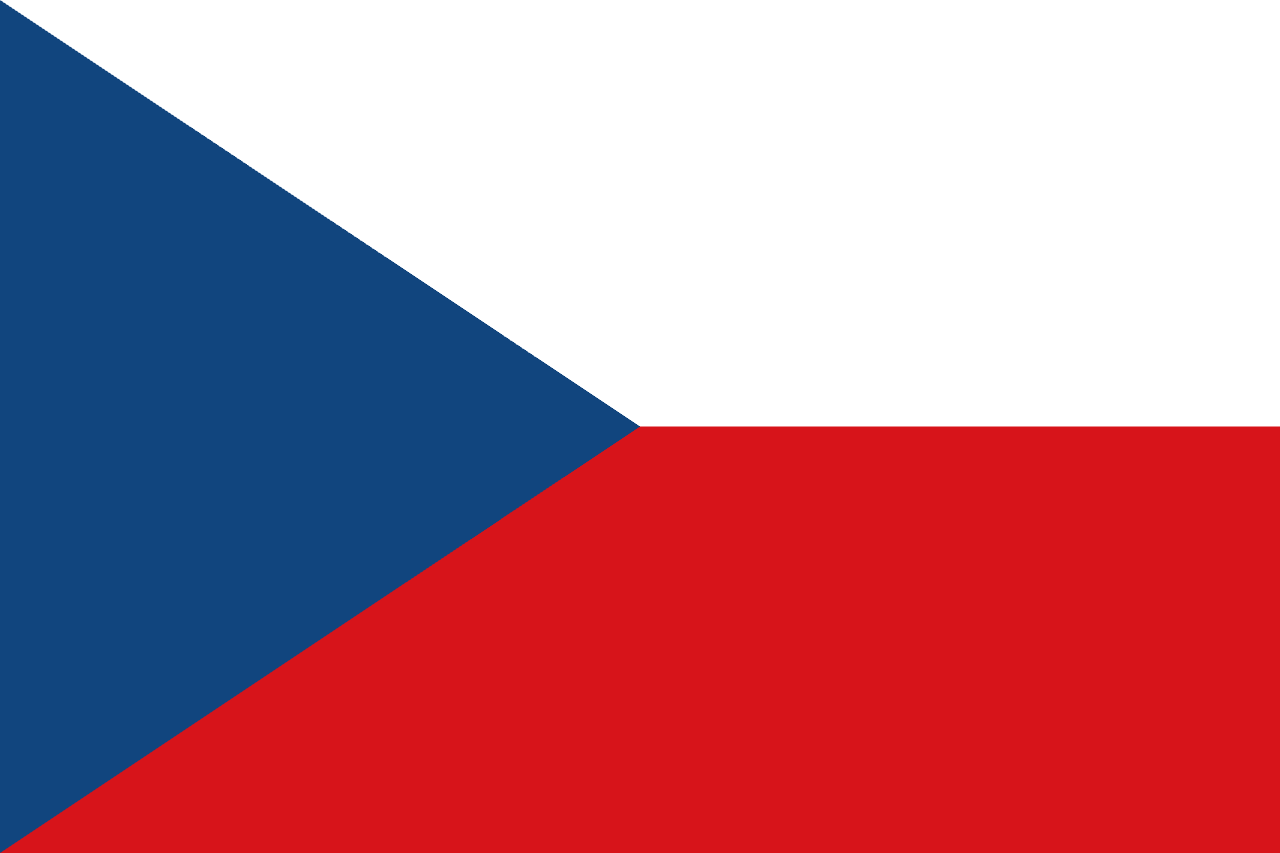
The de-facto national sport of Czechia is ice hockey, the country's most popular and culturally dominant sport since the 1930s. While Czechia has no sport formally codified in law as "national," ice hockey enjoys a status that comes closest to that role, commanding enormous television audiences, packed arenas, and a near-religious following whenever the national team takes the ice at the World Championships or the Winter Olympics.
Why Ice Hockey Holds the Top Spot
Ice hockey took root in the Czech lands in the early twentieth century and quickly grew into the defining winter pastime. By the 1930s it had overtaken bandy and become the dominant team sport, and through the decades of Czechoslovakia it served as a powerful outlet for national pride. During the Cold War, victories over the Soviet Union carried meaning far beyond the rink, turning hockey players into folk heroes. That emotional weight has never faded. Today the sport remains woven into the national identity, and major tournaments effectively bring the country to a standstill.
The depth of the sport in Czechia is reflected in its professional structure. The Czech Extraliga is widely regarded as one of the strongest top-tier leagues in Europe, producing a steady pipeline of talent. Clubs such as HC Sparta Praha, HC Kometa Brno, and HC Oceláři Třinec draw devoted fan bases and play in modern arenas. Generations of Czech players have gone on to star in the National Hockey League, cementing the country's reputation as a global hockey power well out of proportion to its population of roughly 10.7 million.
National Team Achievements
The Czech national team, together with its Czechoslovak predecessor, ranks among the most decorated programs in the sport. Highlights include:
- Twelve World Championship titles won by Czechia and Czechoslovakia combined, placing the nation among the all-time leaders.
- Olympic gold at the 1998 Nagano Games, the first Winter Olympics to feature full NHL participation, in a tournament still celebrated as a defining national triumph.
- A remarkable run of three consecutive World Championship golds from 1999 to 2001.
- A return to the top of the world in 2024, when Czechia won the World Championship on home ice in Prague to the delight of a sold-out crowd.
These results have made the men's national team one of the most consistent contenders in international hockey, and the sport's calendar of marquee events is followed closely across the country every spring and during each Olympic cycle.
Legendary Players
Czechia has produced some of the most recognizable names in hockey history. Jaromír Jágr is the most celebrated of all: he is the all-time NHL points leader among non-Canadian-born players, with a career total of 1,921 points, and his longevity carried him into a professional playing career spanning more than three decades. Dominik Hašek, nicknamed "The Dominator," is regarded as one of the greatest goaltenders ever to play the game and was the backbone of the 1998 Olympic champions.
A new generation has kept the tradition alive, with players such as David Pastrňák emerging as elite scorers in the NHL. This continuity of world-class talent helps explain why hockey retains its grip on the national imagination: every era offers fresh heroes for young fans to follow.
Football and Other Popular Sports
Although ice hockey reigns supreme, football (soccer) is firmly the second most popular sport and rivals hockey for everyday participation, especially among children. Czechoslovakia reached the final of the 1976 European Championship, defeating West Germany in a penalty shootout. The decisive kick was struck by Antonín Panenka, whose audacious technique of gently chipping the ball down the middle as the goalkeeper dived gave its name to the now-famous "Panenka penalty," a move imitated by players worldwide ever since.
Beyond these two giants, Czechs excel in tennis, having produced champions such as Martina Navrátilová, Ivan Lendl, and Petra Kvitová. Athletics also has deep roots, anchored by the legendary distance runner Emil Zátopek and javelin throwers including Barbora Špotáková. This breadth of sporting success reinforces the country's strong athletic culture, with hockey sitting at its emotional center.
Frequently Asked Questions
What is the national sport of Czechia?
Ice hockey is the de-facto national sport of Czechia. It is not formally enshrined in law, but it has been the most popular and culturally significant sport in the country since the 1930s and is universally recognized as part of the national identity.
Is football popular in Czechia?
Yes. Football is the second most popular sport and has a strong participation base. The national team's high point was reaching the 1976 European Championship final, won on a penalty by Antonín Panenka.
Who is the most famous Czech hockey player?
Jaromír Jágr is the most famous Czech hockey player. He is the all-time NHL points leader among non-Canadian-born players, with 1,921 career points, and remains a global icon of the sport.
Has Czechia won an Olympic hockey gold medal?
Yes. Czechia won Olympic gold at the 1998 Winter Games in Nagano, the first Olympics to include full NHL participation, in one of the most cherished moments in Czech sporting history.
For more context on the country behind the sport, see our czechia country guide.
