
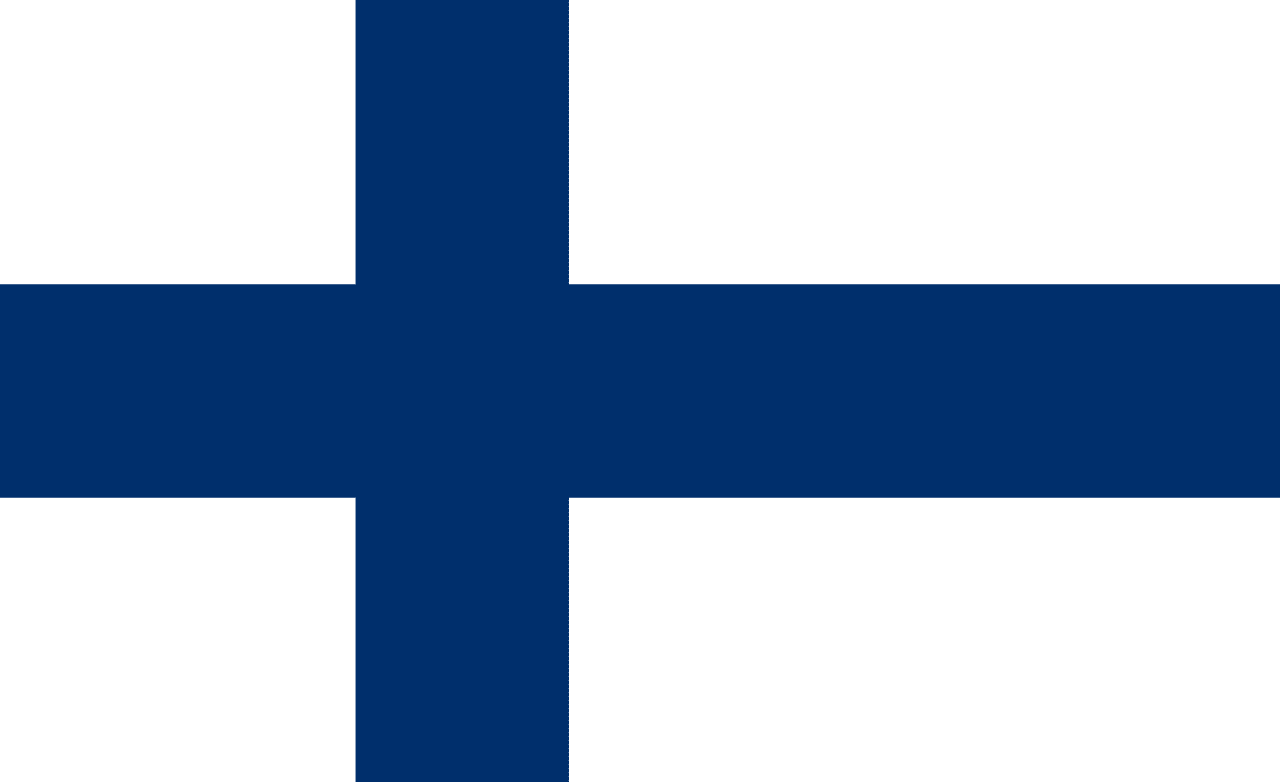
The official national sport of Finland is pesäpallo, a fast-paced bat-and-ball game often described as "Finnish baseball." Although ice hockey draws far larger crowds and dominates international headlines, pesäpallo holds the formal title as Finland's national sport, woven deeply into the country's summer culture, schoolyards, and small-town identity since the early twentieth century.
What Is Pesäpallo?
Pesäpallo, which translates literally as "nest ball," is a bat-and-ball game that blends elements of American baseball with traditional Finnish stick-and-ball pastimes. The game was developed and codified in 1922 by Lauri "Tahko" Pihkala, a Finnish athlete and sports educator who had studied baseball in the United States and wanted to adapt it to Finnish conditions and tastes.
The single feature that most distinguishes pesäpallo from baseball is the pitch. Instead of throwing the ball horizontally toward the batter, the pitcher stands beside the batter and tosses the ball straight up into the air, at least one metre above their own head. The batter then strikes it as it descends. This vertical delivery makes nearly every pitch hittable, shifting the emphasis away from the pitcher-batter duel and toward fielding, running strategy, and tactical play.
How the Game Is Played
A pesäpallo match is played between two teams of nine players who alternate between batting and fielding. After hitting, the batter runs between bases laid out in a distinctive zig-zag pattern rather than the diamond used in baseball. The bases are progressively further apart, and runners must time their advances carefully because the predictable, vertical pitch puts the strategic burden on the batting side.
- Field shape: Bases form a zig-zag, not a diamond, stretching the running distances.
- Pitching: The ball is tossed vertically, making contact almost guaranteed.
- Scoring: Runs are tallied across two playing periods, each divided into innings.
- Strategy: The "jokeri" (joker) batter and clever signalling between players add tactical depth.
Because the pitch is so easy to hit, success depends less on raw power and more on placement, deception, and reading the field — qualities that make the game a favourite for spectators who enjoy its chess-like rhythm.
Why Pesäpallo Is the National Sport
Pesäpallo earned its status because it is a genuinely homegrown game, invented in Finland for Finns, at a time when the young nation — independent only since 1917 — was eager to forge symbols of its own identity. Lauri Pihkala intended the sport to promote physical fitness and even military readiness, and it spread rapidly through schools and the countryside.
Today the top professional leagues are the Superpesis for men and women, and the game remains especially popular in rural and smaller-town Finland. Summer evenings across the country are filled with local matches, and the sport carries a nostalgic, communal significance that ice hockey, for all its global prestige, does not quite replicate. Pesäpallo represents Finland at ceremonial occasions and is celebrated as part of the national cultural heritage.
Pesäpallo Versus Ice Hockey
It is a common point of confusion that ice hockey, not pesäpallo, is what most outsiders associate with Finnish sport. Ice hockey is indeed the most watched and most internationally successful sport in the country. Finland's national team, nicknamed the "Leijonat" (Lions), has won the IIHF World Championship multiple times — including in 2011, 2019, and 2022 — and captured its first Olympic gold medal in men's ice hockey at the 2022 Beijing Games.
Finnish athletes have also excelled far beyond the rink. Hockey star Teemu Selänne scored 684 goals across a celebrated NHL career, and Formula One driver Mika Häkkinen won back-to-back World Championships in 1998 and 1999. Yet despite this international fame, the formal designation of "national sport" belongs to pesäpallo, a reminder that cultural identity and global popularity are not always the same thing. For broader context on the country, see our finland country guide.
Finland at a Glance
- Capital: Helsinki
- Region: Northern Europe
- Population: Approximately 5.6 million
- National sport (official): Pesäpallo
- Most popular spectator sport: Ice hockey
Frequently Asked Questions
What is the national sport of Finland?
The national sport of Finland is pesäpallo, a Finnish bat-and-ball game sometimes called "Finnish baseball." It was developed in 1922 by Lauri Pihkala and remains the country's officially recognised national sport.
Is ice hockey or pesäpallo the national sport of Finland?
Pesäpallo is the official national sport, even though ice hockey is more widely watched and more internationally successful. Many people assume ice hockey holds the title, but the formal designation belongs to pesäpallo.
How is pesäpallo different from baseball?
The biggest difference is the pitch: in pesäpallo the ball is tossed vertically straight up, rather than thrown horizontally. The bases are also arranged in a zig-zag pattern instead of a diamond, which changes the running and fielding strategy entirely.
Who invented pesäpallo?
Pesäpallo was created in 1922 by Lauri "Tahko" Pihkala, a Finnish athlete and physical-education advocate who adapted ideas from American baseball to suit Finnish conditions and culture.
