
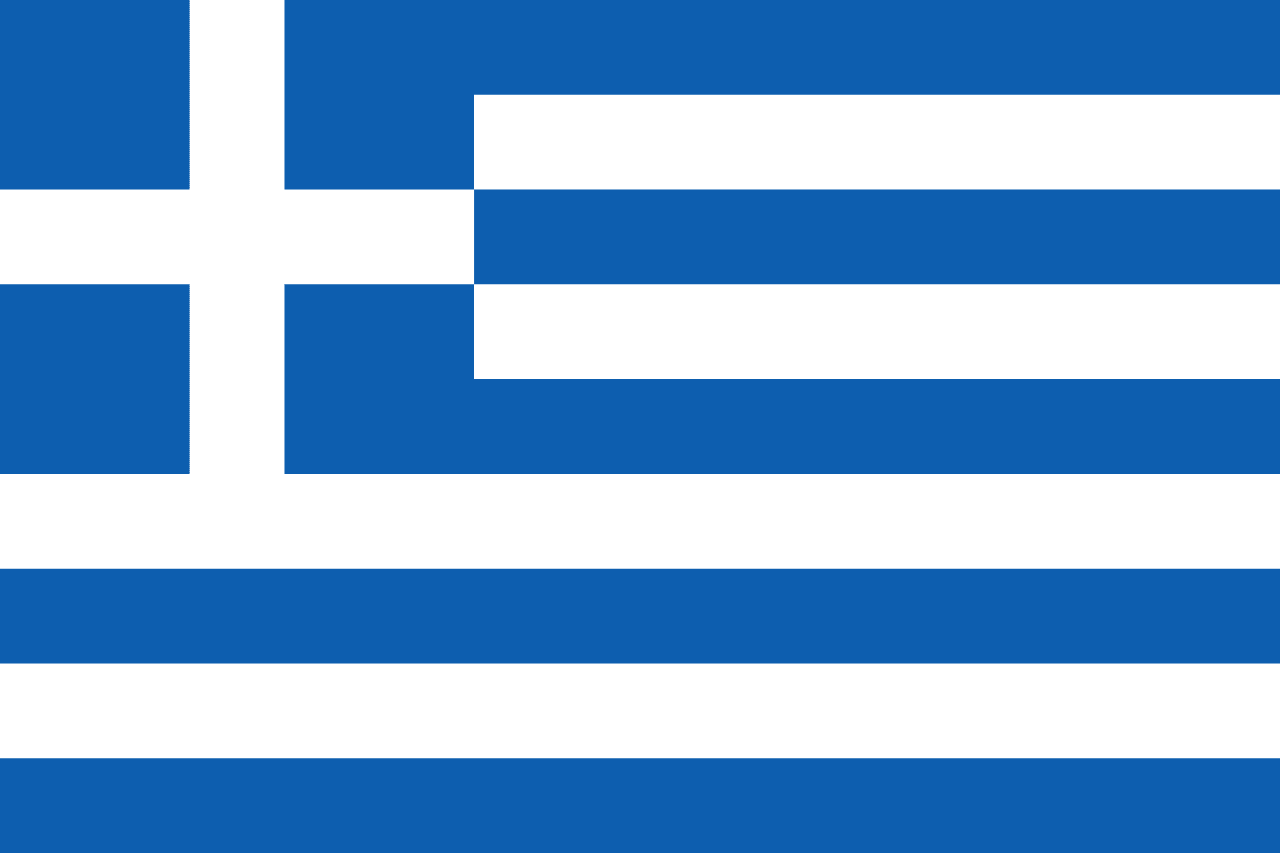
The de-facto national sport of Greece is football (soccer), the country's most widely played and most passionately followed game. While Greece gave the world the Olympic Games and remains deeply tied to athletics, no single sport is enshrined as the official national sport in law. In everyday life, football reigns supreme, with basketball a close and fiercely loved second.
Why Football Is Greece's Leading Sport
Football arrived in Greece in the early twentieth century and quickly took root in the port cities and growing urban centres. Today it is the sport with the largest fan base, the highest matchday attendances, and the deepest grip on national conversation. The Super League is the top professional division, and the rivalries within it — especially the so-called "derby of the eternal enemies" between Olympiacos and Panathinaikos — are among the most intense in European football.
Clubs such as Olympiacos of Piraeus, Panathinaikos and AEK Athens of the capital, and PAOK of Thessaloniki command huge, loyal followings. Match days fill stadiums with colour, chanting, and flares, and football dominates sports media coverage week to week. For most Greeks, allegiance to a club is woven into family identity and regional pride.
The 2004 Miracle
The defining moment of Greek football came at the UEFA European Championship in 2004, hosted in Portugal. Greece, ranked as rank outsiders at odds of around 150 to 1, were not expected to escape the group stage. Under German coach Otto Rehhagel, the team built around disciplined defending and set-piece efficiency stunned the continent.
Greece beat the hosts Portugal in the opening match, then eliminated holders France and the much-fancied Czech Republic before defeating Portugal again 1-0 in the final, with a header from Angelos Charisteas. It remains one of the greatest upsets in international football history and a permanent source of national pride.
Basketball: The Close Rival
If football is the king, basketball is the crown prince. Greece is one of Europe's basketball powerhouses, and the national team won the EuroBasket title in 1987 and again in 2005. Greek clubs have a remarkable European pedigree: Olympiacos and Panathinaikos have each lifted multiple EuroLeague championships, making the city of Athens a genuine basketball capital.
The sport's global profile has soared thanks to Giannis Antetokounmpo, the Athens-born forward who became an NBA Most Valuable Player and an NBA champion with the Milwaukee Bucks. Known as the "Greek Freak," he is among the most recognisable athletes the country has ever produced and has inspired a new generation of young players.
The Olympic Legacy
No discussion of sport in Greece is complete without the Olympic Games. The ancient Games were held at Olympia from 776 BC, and Greece hosted the first modern Olympics in Athens in 1896. Greece is the only nation to have appeared at every modern Summer Olympics since then.
This heritage is honoured at every opening ceremony: Greece always leads the parade of nations as the founding country, regardless of the host city. The Olympic flame is still lit at Olympia using a parabolic mirror and the sun's rays before each Games. Athens returned as host in 2004, the same year as the football triumph, making it an unforgettable sporting year for the country.
Other Sports Greeks Love
Beyond football and basketball, several sports enjoy strong followings in Greece:
- Water polo: A genuine national strength, with both the men's and women's teams winning medals at the highest international level.
- Athletics: Track and field carries deep cultural meaning, and Greek athletes have won Olympic golds in events such as the triple jump and pole vault.
- Weightlifting: Pyrros Dimas, with three Olympic gold medals, is one of the country's most celebrated sporting heroes.
- Sailing and swimming: Popular given Greece's vast coastline and thousands of islands.
For more on the country's geography and culture that shape these traditions, see our greece country guide.
Frequently Asked Questions
What is the national sport of Greece?
Greece does not have a single sport defined as official by law, but football (soccer) is universally regarded as its de-facto national sport because it is the most played and most followed game in the country.
Is basketball more popular than football in Greece?
Basketball is extremely popular and Greece is one of Europe's strongest basketball nations, but football still draws the largest overall fan base and the biggest stadium crowds.
Did Greece really win the European football championship?
Yes. Greece won UEFA Euro 2004, beating hosts Portugal 1-0 in the final. It is widely considered one of the greatest upsets in the history of international football.
Why does Greece lead the Olympic opening parade?
As the birthplace of both the ancient and modern Olympic Games, Greece is given the permanent honour of leading the parade of nations at every Olympic opening ceremony, with the host nation entering last.
