
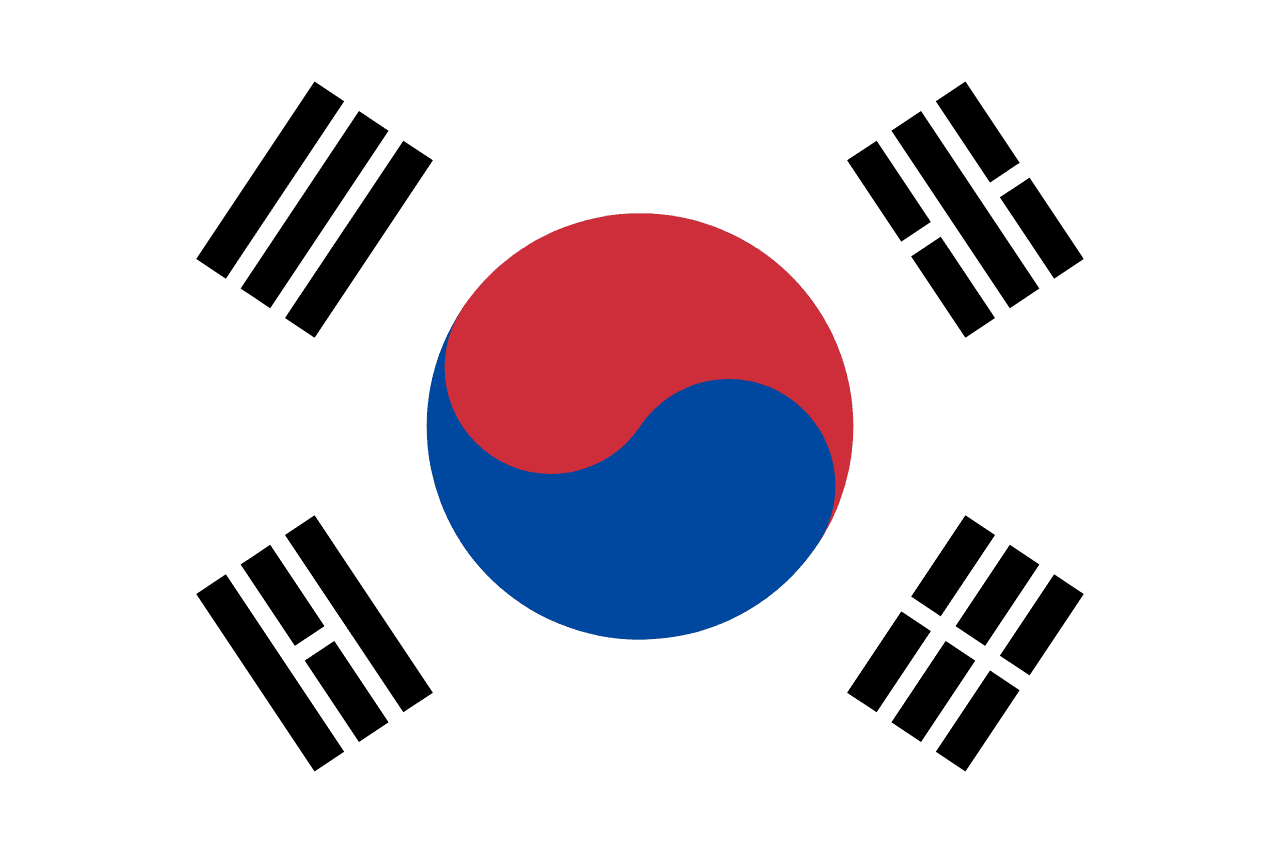
The national sport of South Korea is Taekwondo, a Korean martial art built around fast, high kicks, jumping and spinning strikes, and a code of discipline and respect. Recognized as the country's official national sport, Taekwondo is woven into Korean education, military training, and national identity, and it became a full Olympic medal event at the Sydney 2000 Games.
What Taekwondo Actually Is
The name Taekwondo translates roughly as "the way of the foot and the fist" — tae meaning to strike with the foot, kwon meaning fist, and do meaning way or discipline. Compared with many other martial arts, it is famous for its emphasis on dynamic, powerful leg techniques, including head-height kicks, spinning kicks, and jumping kicks that reward speed and flexibility.
Practice is organized into poomsae (choreographed patterns of movement), sparring known as kyorugi, and breaking techniques. Progress is marked by a system of colored belts that culminate in the black belt and its numbered dan ranks. Beyond physical technique, students follow a set of tenets often summarized as courtesy, integrity, perseverance, self-control, and indomitable spirit — values that explain why the art is treated as a school of character, not just combat.
How Taekwondo Became the National Sport
Although Korea has centuries-old fighting traditions, modern Taekwondo was codified in the 1940s and 1950s, after the end of Japanese colonial rule, when several Korean martial-arts schools (kwans) unified their methods. The unified name "Taekwondo" was adopted in the mid-1950s, and the sport spread rapidly through the South Korean military and public schools.
Governing bodies followed: the Korea Taekwondo Association, the Kukkiwon (the World Taekwondo Headquarters in Seoul, which certifies black-belt ranks globally), and World Taekwondo, the international federation that oversees the Olympic form of the sport. This institutional backing cemented Taekwondo's status as the formally recognized national sport and a key instrument of South Korean cultural diplomacy abroad.
Taekwondo at the Olympics
Taekwondo appeared as a demonstration sport at the 1988 Seoul Olympics — a fitting debut in its homeland — and again in 1992, before becoming an official medal event in 2000. South Korea has been the dominant nation in the sport ever since, winning more Olympic gold medals in Taekwondo than any other country, with roughly 19 golds to its name.
Today the sport is practiced in more than 200 countries, with tens of millions of students worldwide. That global reach is part of what makes Taekwondo a point of national pride: a discipline born in Korea that is now taught in dojangs from Brazil to Iran to the United States.
South Korea's Wider Sporting Identity
While Taekwondo holds the official title, several other sports are deeply embedded in South Korean life:
- Archery: South Korea is the undisputed global powerhouse, with around 27 Olympic golds. Its women's team has won every Olympic team archery title since the event began in 1988 — one of the longest dominant streaks in any sport.
- Football (soccer): Enormously popular, South Korea co-hosted the 2002 FIFA World Cup and reached the semi-finals, the best result ever achieved by an Asian nation.
- Baseball: The professional KBO League draws huge, lively crowds and is arguably the most-watched team sport domestically.
- Esports: South Korea pioneered competitive gaming as a mainstream spectator activity, and its players have long dominated titles such as StarCraft and League of Legends.
Taekwondo nonetheless remains the symbolic standard-bearer, appearing in national ceremonies and demonstrations that showcase Korean heritage. For broader context on the country's geography, economy, and culture, see the south korea country guide.
Why It Matters to Korean Culture
Taekwondo functions as more than competition. Millions of South Korean children learn it from a young age, and many adults continue practicing for fitness and discipline. The sport's tenets reinforce social values of respect and self-mastery, and large public demonstrations — synchronized board-breaking, flying kicks, and patterns performed in unison — are a staple of festivals and cultural showcases. As a homegrown art now embraced worldwide, Taekwondo serves as one of South Korea's most recognizable cultural exports.
Frequently Asked Questions
What is the national sport of South Korea?
The national sport of South Korea is Taekwondo, a Korean martial art known for its high, fast kicks and its emphasis on discipline, codified in its modern form during the 1940s and 1950s.
When did Taekwondo become an Olympic sport?
Taekwondo was a demonstration sport at the 1988 Seoul and 1992 Barcelona Games, then became a full Olympic medal event at the Sydney 2000 Olympics. South Korea leads all nations in Olympic Taekwondo gold medals.
Is archery or football more popular than Taekwondo in South Korea?
Football and baseball draw larger spectator audiences, and archery brings the most Olympic medals, but Taekwondo holds the official status of national sport and is the most widely practiced martial art among Korean schoolchildren.
Where is Taekwondo's world headquarters?
The Kukkiwon, the World Taekwondo Headquarters, is located in Seoul. It certifies black-belt ranks internationally and helps standardize the art worldwide.
