
Introduction
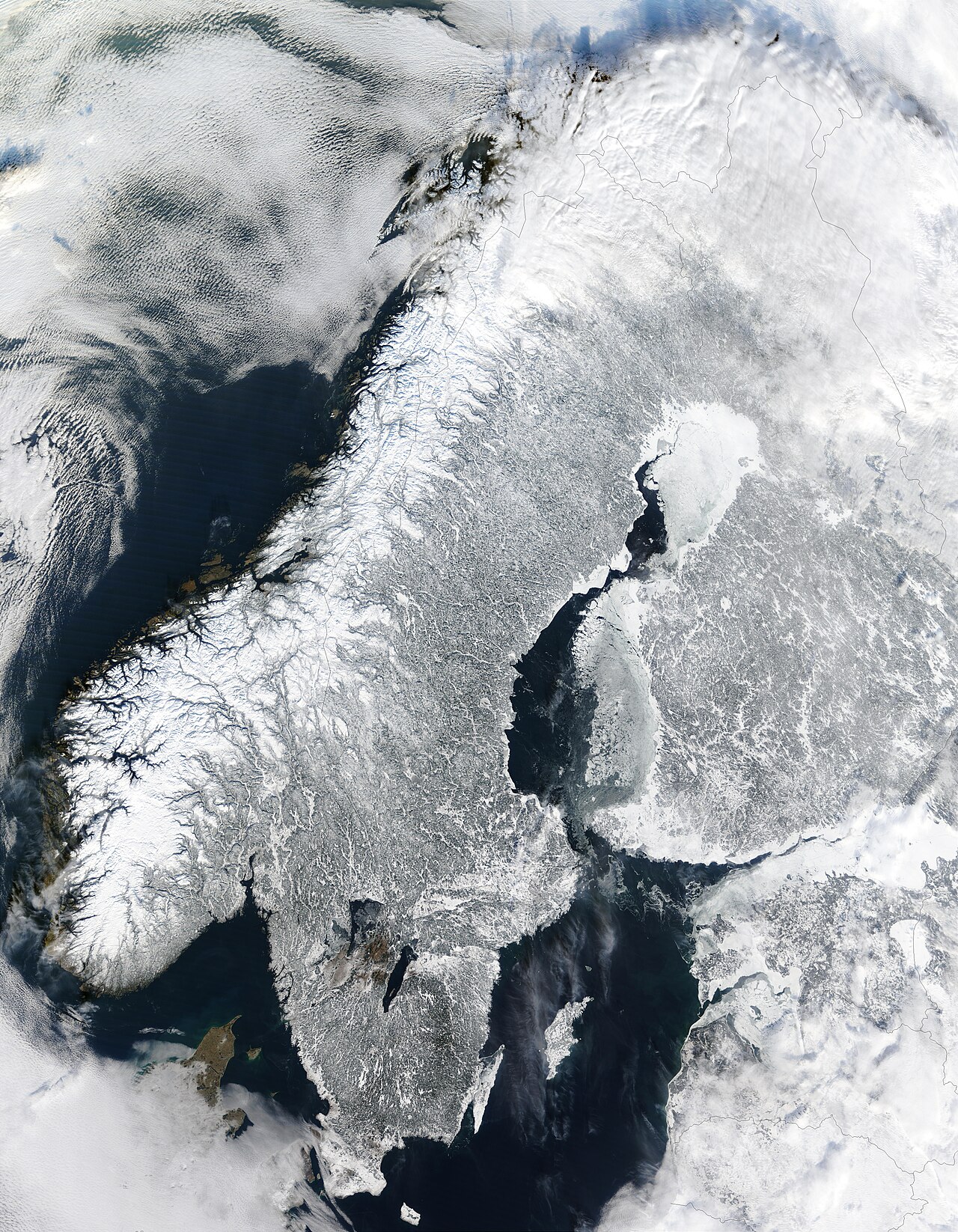
A landform that extends from a larger body of land and is surrounded by water on three sides, connected to the mainland by a narrow strip of land called a neck or isthmus. Peninsulas form through a combination of tectonic activity, erosion, and changes in sea level over millions of years. Some peninsulas, like the Indian subcontinent, result from tectonic plate movements that create protruding landmasses. Others form through differential erosion, where softer rock is worn away by waves and currents, leaving harder rock projecting into the sea. Notable examples of peninsulas around the world include Arabian Peninsula, Middle East, Indian Peninsula (Deccan), India, Scandinavian Peninsula, Norway and Sweden, Iberian Peninsula, Spain and Portugal, and Italian Peninsula, Italy. Understanding peninsula geography is fundamental to comprehending Earth's diverse landscapes and the processes that create them.

Physical Geography
Peninsulas vary enormously in size from small coastal promontories to subcontinental landmasses like Arabia and India. They typically have extensive coastlines relative to their area, giving them significant maritime influence on climate and economy. The interior of large peninsulas can have very different conditions from their coasts, with mountain ranges, plains, and varied microclimates. Peninsulas form through a combination of tectonic activity, erosion, and changes in sea level over millions of years. Some peninsulas, like the Indian subcontinent, result from tectonic plate movements that create protruding landmasses. Others form through differential erosion, where softer rock is worn away by waves and currents, leaving harder rock projecting into the sea. These physical attributes distinguish peninsulas from other geographic feature types and make them some of the most fascinating landforms studied in physical geography.
Climate & Weather
Climate plays a crucial role in the formation and character of peninsulas. Peninsulas tend to have milder, more maritime climates along their coasts compared to inland continental areas at the same latitude. Coastal areas benefit from the moderating effect of surrounding seas, while interiors of large peninsulas can experience more extreme continental conditions. Temperature, precipitation, and atmospheric patterns interact with geological features to shape peninsula environments around the world.
Natural Resources & Environment
Peninsula environments provide important resources and ecosystem services. The extensive coastlines of peninsulas create diverse marine and coastal habitats including tidal flats, estuaries, coral reefs, and mangrove forests. Peninsulas often serve as important corridors for bird migration, with the Italian and Korean peninsulas being major flyways. Large peninsulas like India support extraordinary biodiversity due to their range of habitats from tropical coastlines to high mountain ecosystems. Conservation of peninsula environments is vital for maintaining biodiversity and ecological balance across the planet.
Human Geography
Human interaction with peninsula environments varies widely across the globe. Peninsulas have been strategically important throughout history due to their natural harbor formations and defensible positions. Many of the world's largest port cities are located on peninsulas, facilitating trade and naval power. The Arabian Peninsula contains the world's largest proven oil reserves, making it one of the most geopolitically significant landforms on Earth. Peninsula environments have supported human activities including settlement, agriculture, tourism, and resource extraction throughout history.
Key Geographic Facts
- The Arabian Peninsula is the largest peninsula on Earth, covering approximately 3.2 million square kilometers
- The word peninsula comes from the Latin 'paene' meaning almost and 'insula' meaning island
- The Antarctic Peninsula is one of the fastest-warming regions on the planet, with temperatures rising nearly 3 degrees Celsius over the past 50 years
- The Iberian Peninsula is separated from Africa by the Strait of Gibraltar, only 14 kilometers wide at its narrowest point
- Florida is one of the most recognizable peninsulas in the world, extending about 700 kilometers into the sea
Fun Facts
- The Scandinavian Peninsula is the largest peninsula in Europe, stretching about 1,850 kilometers from north to south
- Italy's boot-shaped peninsula is one of the most recognizable geographic shapes in the world and has influenced art and cartography for centuries
- The Korean Peninsula was a single nation for over a thousand years before being divided in 1945
- Michigan's Lower Peninsula is shaped like a mitten, a fact that residents commonly use to point out locations on their hand
