
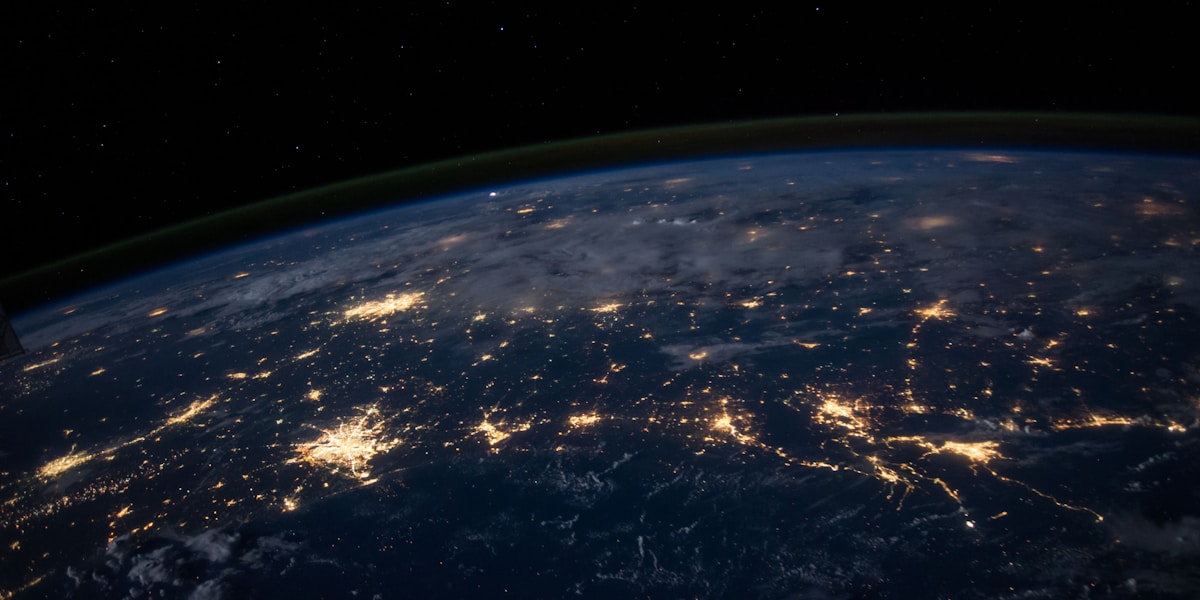
Time zones for kids: Time zones exist because the Earth is round and spins on its axis. When your part of the world faces the sun, it is daytime. When it faces away, it is nighttime. Since different parts of the world face the sun at different times, clocks show different times around the globe. There are 24 main time zones!
Introduction
Have you ever wondered why when you wake up in the morning, kids in another country might be going to bed? It is because the Earth spins! As it rotates, different parts get sunlight at different times. Time zones were invented to keep things organized.
Let's find out how time works around the world!

How Time Zones Work
- Why 24?: Earth takes 24 hours to spin once, so there are 24 time zones — one for each hour
- Starting Point: Time zones start at the Prime Meridian (0° longitude) in Greenwich, London — called GMT or UTC
- Going East: Each time zone east of Greenwich is one hour ahead
- Going West: Each time zone west of Greenwich is one hour behind
Fun Time Zone Facts
Before time zones were invented in 1884, every town set its own time based on the sun! This was very confusing, especially for train schedules. Imagine a train leaving at "noon" but each town along the route had a different idea of when noon was!
The International Date Line is where one day changes to the next. It runs through the Pacific Ocean at about 180° longitude. If you cross it going west, you skip ahead a day. Going east, you go back a day. You could technically celebrate your birthday twice!
Try This!
Call or video chat with someone in a different time zone and compare what time it is for each of you. Or look up the current time in Tokyo, London, and New York right now. How many hours apart are they? Try to figure out what time zone you are in and how many hours ahead or behind UTC you are!
Cool Facts
- There are 24 standard time zones, but some countries use half-hour or quarter-hour offsets
- China spans five geographical time zones but uses only one — so it can be dark at "noon" in western China!
- Russia has the most time zones — 11!
- Before 1884, there were no standard time zones and each city kept its own local time
- Daylight Saving Time is used in about 70 countries to make better use of daylight
Did You Know?
- At the South Pole, all time zones meet — scientists there just pick whichever one they want!
- India uses a single time zone that is UTC+5:30 — the 30 minutes makes it unusual
- There are two tiny Pacific islands (Samoa and American Samoa) that are only about 100 km apart but are 25 hours apart in time!
Wrap Up
Time zones are a clever system that helps the whole world keep track of time in an organized way. They exist because our round Earth spins, bringing sunlight to different places at different times. Next time you talk to someone far away, calculate the time difference!
Test What You Learned!
Think you remember everything? Try our fun geography games and quizzes!
Play Geography Games →