
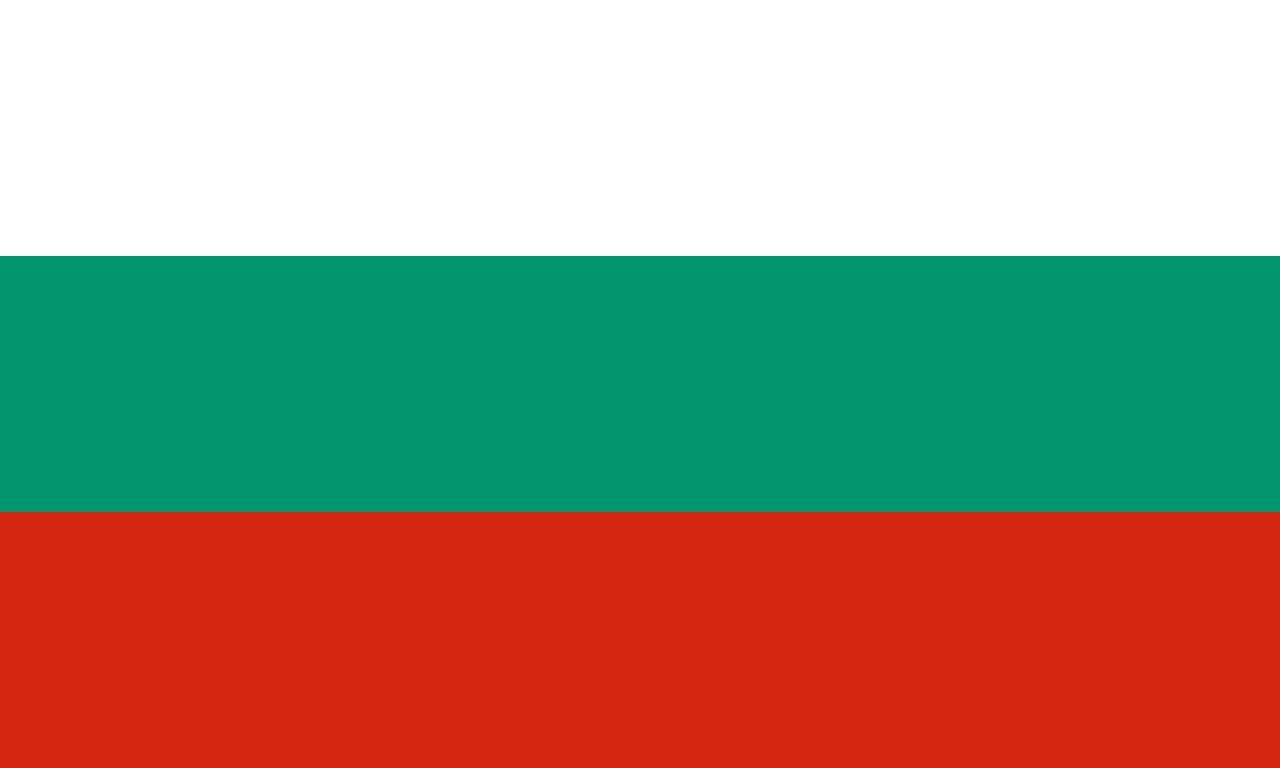
Tucked into the southeastern corner of the Balkan Peninsula, Bulgaria is one of Europe's oldest nations and one of its most underrated travel destinations. It gave the world yogurt, the Cyrillic alphabet, and roses by the tonne, yet it remains a quiet secret to many. Here are ten genuinely fascinating facts that reveal why this Black Sea nation deserves a place on your radar.
1. One of the Oldest Countries in Europe That Never Changed Its Name
Bulgaria was founded in 681 AD, when the Bulgar leader Khan Asparuh established the First Bulgarian Empire after defeating the Byzantines. What makes this remarkable is that Bulgaria has kept the same name ever since, making it one of the few European states never to have changed its name in over 1,300 years of existence. Most of its contemporaries from that era have long since vanished, splintered, or been absorbed into other nations.
The country's medieval empires were once among the most powerful in Europe, at times stretching across much of the Balkans. This deep continuity gives Bulgarians a strong sense of national identity, and you can trace it through the ruins, monasteries, and fortresses scattered across the landscape. For a fuller picture, see our Bulgaria country guide.
2. The Cyrillic Alphabet Was Born Here
The Cyrillic script, used today by hundreds of millions of people across Russia, Ukraine, Serbia, Mongolia, and beyond, has its roots in Bulgaria. It was developed in the First Bulgarian Empire during the late 9th and early 10th centuries by the disciples of Saints Cyril and Methodius, building on the earlier Glagolitic alphabet the brothers had created.
Bulgarians are immensely proud of this contribution to world culture, and they celebrate it every May 24 with the Day of Slavonic Alphabet, Bulgarian Enlightenment and Culture. It is one of the most beloved holidays in the country, marked by parades, music, and flowers. When Bulgaria joined the European Union, Cyrillic became the third official alphabet of the EU, alongside Latin and Greek.
3. Sofia Sits in the Shadow of a Mountain
Sofia, the capital, is one of the few major European capitals with a mountain rising right at its doorstep. Vitosha Mountain, topping out at around 2,290 metres, looms over the city, and locals can ski its slopes in winter and hike them in summer without leaving the metropolitan area. Sofia is also among Europe's oldest cities, with roots stretching back some 7,000 years.
The city's motto, "Grows but does not age," captures its layered character. Beneath modern streets lie Roman ruins, including the remains of the ancient city of Serdica, parts of which are now displayed in the metro stations. Sofia blends Ottoman mosques, Orthodox cathedrals, a synagogue, and Soviet-era architecture, all within a compact and walkable centre.
4. Bulgaria Produces Most of the World's Rose Oil
The Rose Valley near Kazanlak is one of the most fragrant places on Earth. Bulgaria is among the world's largest producers of rose oil, also called rose otto, a precious ingredient used in luxury perfumes by famous fashion houses. It takes thousands of hand-picked rose blossoms to produce just a single gram of the oil, which can be worth more than its weight in gold.
Each year in late May and early June, the harvest is celebrated with the Rose Festival, complete with parades, folk dancing, and the crowning of a Rose Queen. The damask roses are picked at dawn, when their fragrance is strongest, in a tradition that has shaped the region's economy and culture for centuries.
5. Yogurt and a Bacterium Named After the Country
Bulgaria has a special claim to yogurt. The bacterium responsible for fermenting traditional Bulgarian yogurt is named Lactobacillus bulgaricus, after the country itself. It was identified in the early 20th century by the Bulgarian scientist Stamen Grigorov, and the tangy, thick yogurt has been a dietary staple here for thousands of years.
Researchers have long pointed to Bulgarian yogurt when studying longevity, and it remains a point of national pride. You will find it eaten plain, mixed into the cold summer soup tarator with cucumber and dill, or churned into ayran, a refreshing salted yogurt drink. For many Bulgarians, no breakfast or barbecue is complete without it.
6. A Landscape of Mountains, Coast, and Ancient Forests
For a relatively small country, Bulgaria packs in astonishing geographic variety. The Balkan Mountains run east to west across the middle of the country, giving the nation its historical name, while the Rila and Pirin ranges to the southwest contain Mount Musala, the highest peak in the entire Balkans at 2,925 metres. To the east lies a golden stretch of Black Sea coastline dotted with beaches and resorts.
In between you find the fertile Danubian Plain, rolling river valleys, and some of Europe's oldest forests. The country protects this richness through three national parks and numerous nature reserves, several of which are recognised by UNESCO. This diversity makes Bulgaria a year-round destination for both skiers and beachgoers.
7. Home to Brown Bears, Wolves, and Wild Horses
Bulgaria's mountains and forests shelter some of the largest populations of large mammals left in Europe. Brown bears, grey wolves, and lynx still roam the wilderness, alongside wild boar, deer, and chamois. The country is also a paradise for birdwatchers, with pelicans, eagles, and storks among the hundreds of species that nest or migrate through.
Conservation efforts have brought back species once pushed to the brink, and rewilding projects in places like the Rhodope Mountains have reintroduced wild horses and vultures. The Danube wetlands and Black Sea coast lie along a major migratory flyway, making spring and autumn especially spectacular for spotting flocks of birds passing between Europe and Africa.
8. The Thracians Left Behind Golden Treasures
Long before the Bulgars arrived, this land was home to the Thracians, an ancient people famed for their gold-working and horsemanship. Bulgaria is dotted with thousands of Thracian burial mounds, and the artefacts unearthed from them are dazzling. The Panagyurishte treasure, a set of solid gold drinking vessels, and the Valchitran gold hoard are among the finest pieces of ancient goldwork ever found.
The country is also home to what is considered the oldest worked gold in the world, discovered in the Varna Necropolis and dating back more than 6,000 years. Thracian tombs such as those at Kazanlak and Sveshtari, decorated with vivid frescoes, are UNESCO World Heritage Sites that draw archaeologists and curious travellers alike.
9. Nodding for No and Shaking for Yes
One of the most disorienting quirks for visitors is that Bulgarians traditionally shake their heads to mean "yes" and nod to mean "no", the opposite of most of the world. This reversed body language can cause genuine confusion in markets, restaurants, and conversations, and many travellers learn to rely on the spoken words "da" for yes and "ne" for no instead.
The custom is fading among younger, internationally connected Bulgarians, but it persists strongly in everyday life, especially outside the cities. It is a small but charming reminder that even familiar gestures can mean entirely different things depending on where you stand in the world. You can see Bulgaria's distinctive national symbol on our guide to its flag.
10. The Rila Monastery and a Mystical Music Legacy
Founded in the 10th century, the Rila Monastery is Bulgaria's most famous spiritual and cultural landmark, nestled in a forested mountain valley. Its striped arches, vivid frescoes, and black-and-white facades make it one of the most photographed places in the country, and it has long been a symbol of Bulgarian identity through centuries of foreign rule.
Bulgaria's cultural exports also include a hauntingly beautiful folk music tradition. The choir known as Le Mystère des Voix Bulgares won a Grammy Award for its otherworldly polyphonic singing. A recording of a Bulgarian folk song, "Izlel e Delyo Haydutin", was even included on the Voyager Golden Record, launched into space in 1977 to represent humanity to the cosmos.
Frequently Asked Questions
What is the capital of Bulgaria?
The capital of Bulgaria is Sofia, located in the west of the country at the foot of Vitosha Mountain. It is the largest city and the political, cultural, and economic centre, and one of the oldest continuously inhabited cities in Europe, with roots going back roughly 7,000 years.
What is Bulgaria famous for?
Bulgaria is famous for being the birthplace of the Cyrillic alphabet, for producing most of the world's rose oil, and for its tangy yogurt and the bacterium named after it. It is also known for its Black Sea beaches, mountain ski resorts, ancient Thracian gold treasures, and the stunning Rila Monastery.
Why do Bulgarians nod for no and shake for yes?
This reversed head gesture is a long-standing cultural tradition unique to Bulgaria and a few neighbouring areas. Its exact origins are uncertain, but it has persisted for generations. Visitors are advised to listen for the words "da" (yes) and "ne" (no) to avoid misunderstandings in everyday interactions.
Conclusion
From the gold of ancient Thracians to the fragrance of its rose valleys, Bulgaria is a country layered with surprises that few outsiders fully appreciate. It blends 1,300 years of unbroken history with wild mountain landscapes, a famous alphabet, and quirks that turn a simple nod on its head. Whether you come for the hiking, the food, or the heritage, Bulgaria rewards the curious traveller at every turn.