
Guatemala packs more drama into its modest footprint than almost any country in the Americas: smoking volcanoes, towering Maya pyramids swallowed by jungle, and a rainbow of indigenous textiles woven on backstrap looms. It is a land where ancient civilizations and living traditions collide in the most vivid ways. Here are ten genuinely fascinating facts that go far beyond the guidebook clichés.
1. It's Called the "Land of Eternal Spring"
Despite sitting firmly in the tropics, much of Guatemala enjoys a mild, springlike climate year-round thanks to its high elevation. The central highlands, including the colonial city of Antigua and parts of Guatemala City, sit at altitudes between 1,500 and 2,000 metres, keeping temperatures comfortable while coastal lowlands swelter. This earned the country its affectionate nickname, "La Tierra de la Eterna Primavera." The cool mountain air, combined with rich volcanic soil, also makes the highlands ideal for growing the coffee and flowers Guatemala is famous for. You can learn more about its geography in our country guide.
2. A Country Built on Volcanoes
Guatemala is studded with 37 volcanoes, three of which are currently active. The most famous is Volcán de Fuego ("Volcano of Fire"), which erupts almost constantly, sending plumes of ash and glowing rock skyward in displays visible from miles away. Adventurous travellers hike the neighbouring Acatenango volcano to camp overnight and watch Fuego's eruptions illuminate the night. Tajumulco, at 4,220 metres, is the highest point in all of Central America. This volcanic chain is part of the Pacific "Ring of Fire," and the same geological forces that create danger also produce the fertile soils and dramatic scenery that define the Guatemalan landscape.
3. Tikal Rises Above the Rainforest Canopy
Deep in the northern Petén jungle stands Tikal, one of the greatest cities of the ancient Maya world. At its peak around 1,500 years ago, Tikal may have housed tens of thousands of people, with limestone temple-pyramids soaring more than 60 metres above the forest floor. Temple IV is so tall that climbing it rewards you with a view of pyramid roofs poking through an endless green canopy. The site was so atmospheric that it appeared as the rebel base in the original 1977 Star Wars film. Tikal was named a UNESCO World Heritage Site in 1979, recognized for both its cultural and natural significance.
4. More Than 20 Mayan Languages Are Spoken
While Spanish is the official language, Guatemala is one of the most linguistically diverse nations in the Americas. The government officially recognizes 22 Mayan languages, alongside Garífuna and Xinca. Languages such as K'iche', Q'eqchi', Kaqchikel, and Mam are spoken by millions of people, particularly in the western highlands where indigenous communities form the majority. Roughly 40 percent or more of Guatemalans identify as indigenous, the highest proportion in Central America. This linguistic richness is a living legacy of the Maya civilization, which never truly disappeared but instead adapted and endured through centuries of colonization and change.
5. Lake Atitlán: A Caldera Ringed by Volcanoes
Often called the most beautiful lake in the world, Lake Atitlán fills an enormous volcanic caldera formed by a colossal eruption around 84,000 years ago. Three majestic volcanoes—San Pedro, Atitlán, and Tolimán—rise dramatically from its shores, their reflections shimmering on the deep blue water. The lake is more than 340 metres deep in places, making it the deepest in Central America. Around its edges sit a string of vibrant villages, each with its own indigenous Maya character, traditional dress, and weaving styles. Writers from Aldous Huxley to countless travellers have struggled to capture its beauty in words.
6. The National Bird Is Also the Currency
The resplendent quetzal is so beloved in Guatemala that the country named its money after it—the Guatemalan currency is literally called the quetzal. This dazzling bird, with its iridescent green plumage and tail feathers that can exceed a metre in length on males, was sacred to the ancient Maya and Aztec peoples, who associated it with the feathered serpent god. Legend holds that the quetzal cannot survive in captivity, making it a powerful symbol of liberty. The bird is increasingly rare and lives in the misty cloud forests of the highlands, where conservation reserves now protect its dwindling habitat.
7. Antigua Is a Perfectly Preserved Colonial Time Capsule
The city of Antigua Guatemala was the colonial capital for over 200 years until devastating earthquakes in 1773 prompted authorities to relocate the seat of government. Rather than being abandoned, Antigua froze in time, preserving a stunning collection of Spanish Baroque architecture, cobblestone streets, and the dramatic ruins of churches and convents toppled by quakes. Framed by three volcanoes, the entire city is a UNESCO World Heritage Site. Today it is famous for its elaborate Holy Week (Semana Santa) processions, during which residents create breathtaking carpets of dyed sawdust and flower petals on the streets.
8. Chocolate Was Born Here Thousands of Years Ago
Long before chocolate became a global treat, the ancient Maya of Guatemala were cultivating cacao and grinding it into a frothy, bitter, often spiced drink. Cacao beans were so valuable they were used as currency, and the beverage held deep ceremonial and religious importance. The very word "cacao" descends from Maya languages. Guatemala's culinary heritage runs deep beyond chocolate, too: dishes like pepián (a rich, toasted spice stew often considered the national dish), tamales wrapped in banana leaves, and kak'ik (a spicy turkey soup of K'iche' origin) reflect a blend of indigenous and Spanish influences passed down for generations.
9. Home to the Highest Active Market Town in Central America
Chichicastenango, a highland town often shortened to "Chichi," hosts one of the most famous and vibrant indigenous markets in all of the Americas. Twice a week, the streets explode with colour as Maya vendors sell handwoven textiles, masks, pottery, fresh produce, and flowers. The town is also home to the Santo Tomás church, where Maya and Catholic religious practices blend seamlessly—worshippers burn copal incense and perform ancient rituals on the church steps. This fusion of beliefs, known as syncretism, is a defining feature of Guatemalan culture, where pre-Columbian spirituality survived by quietly merging with imposed Catholicism.
10. The Largest Economy in Central America
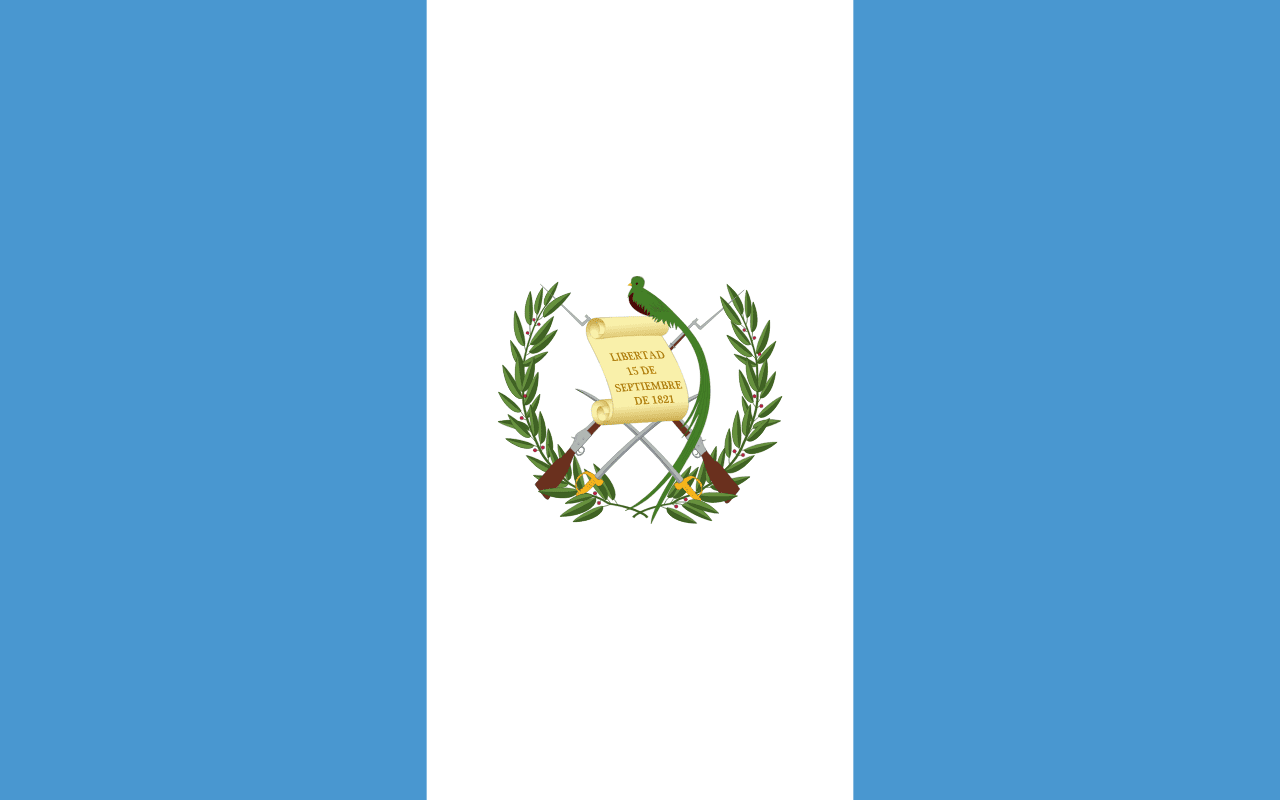
Guatemala has the biggest economy in Central America by total output, driven heavily by agriculture, manufacturing, and remittances sent home by Guatemalans living abroad, particularly in the United States. The country is a major exporter of coffee, sugar, bananas, and cardamom—in fact, Guatemala is one of the world's leading producers of cardamom, despite the spice being barely used in local cooking and grown almost entirely for export to the Middle East and Asia. Coffee from the volcanic highlands is especially prized by specialty roasters worldwide. The country's blue-and-white flag proudly features the quetzal at its centre.
Frequently Asked Questions
What is the capital of Guatemala?
The capital is Guatemala City, known locally as "Guate." It is the largest city in Central America and serves as the country's political, economic, and cultural hub, home to government institutions, universities, and museums. It became the capital after earthquakes destroyed the previous colonial capital at Antigua in the late 1700s.
What is Guatemala most famous for?
Guatemala is best known for its spectacular Maya ruins at Tikal, its volcanic landscapes, the stunning Lake Atitlán, and its vibrant indigenous culture and textiles. It is also celebrated for high-quality coffee, colourful markets like Chichicastenango, and the beautifully preserved colonial city of Antigua.
Why is Guatemalan money called the quetzal?
The currency is named after the resplendent quetzal, the national bird, which was sacred to the ancient Maya. Its feathers were once so prized they functioned as a form of currency and tribute, so naming the modern money after the bird honours both this history and the quetzal's enduring status as a symbol of freedom and national identity.
Conclusion
From erupting volcanoes and jungle-clad pyramids to a living tapestry of Maya languages, sacred birds, and ancient chocolate, Guatemala is a country of extraordinary depth and colour. These ten facts only begin to capture a nation where the ancient and the modern are inseparable. Whether you are a geography buff, a curious traveller, or a lover of culture, Guatemala offers endless reasons to explore further.