
Tucked into the northwestern corner of the Persian Gulf, Kuwait is a small but mighty nation where soaring glass skyscrapers rise from a flat desert that once supported pearl divers and dhow builders. In just a few generations, oil transformed this former trading outpost into one of the wealthiest states on Earth. From record-breaking summer heat to towers shaped like minarets, here are ten fascinating facts that reveal the real Kuwait.
1. It Sits at the Top of the Persian Gulf
Kuwait occupies a strategic sliver of land at the head of the Persian Gulf, sharing borders with Iraq to the north and west and Saudi Arabia to the south. Covering roughly 17,800 square kilometers, it is one of the smallest countries in the Arabian Peninsula, about the size of the U.S. state of New Jersey. The landscape is overwhelmingly flat, arid desert, with the highest point reaching just over 300 meters. The country also includes nine islands, the largest being Bubiyan and Failaka. To learn more about its location and terrain, see our country guide.
2. Kuwait City Holds Almost the Whole Country
The capital, Kuwait City, sits on the southern shore of Kuwait Bay and serves as the political, commercial, and cultural heart of the nation. While the city proper is modest, its sprawling metropolitan area is home to the vast majority of Kuwait's residents. The skyline is dominated by the Al Hamra Tower, one of the tallest sculpted skyscrapers in the world at 414 meters, and the iconic Kuwait Towers with their distinctive blue-green spheres. Kuwait City is famously one of the hottest capital cities on the planet, with summer temperatures regularly soaring past 50°C (122°F).
3. Most Residents Are Not Kuwaiti Citizens
Kuwait is home to roughly 4.5 to 5 million people, but here is the surprising part: foreign nationals make up around 70 percent of the population. Migrant workers from India, Egypt, the Philippines, Bangladesh, and across the Arab world keep the economy running, filling roles in construction, services, and domestic work. Kuwaiti citizens themselves enjoy generous state benefits funded by oil revenue, including subsidized housing, free healthcare, and free education. This demographic makeup makes Kuwait one of the most diverse societies in the Gulf, with dozens of languages and cuisines woven into daily life.
4. Arabic Is Official, but English Is Everywhere
Arabic is the official language of Kuwait, and the local Kuwaiti dialect blends classical Arabic with words borrowed from Persian, Hindi, English, and the maritime traditions of Gulf traders. Because of the enormous expatriate population, English is widely spoken and serves as the common language of business, shopping malls, and international schools. You will hear Hindi, Urdu, Tagalog, and Farsi in markets and workplaces too. This linguistic mosaic reflects centuries of seafaring trade that connected Kuwait to India, East Africa, and the wider Indian Ocean world long before oil arrived.
5. Before Oil, Kuwait Lived on Pearls and Dhows
It is easy to forget that until the 1930s, Kuwait was a struggling community of fishermen, pearl divers, and merchants. The town was a renowned shipbuilding center, crafting wooden dhows that sailed to India and Africa carrying dates, horses, and goods. Pearl diving was the backbone of the economy, with crews spending grueling months at sea. The introduction of cultured pearls from Japan and the Great Depression devastated this trade, leaving Kuwait impoverished. Then came oil, discovered in the Burgan field, which would utterly transform the nation's fortunes within a single generation.
6. It Floats on One of the World's Largest Oil Reserves
Kuwait holds roughly 6 to 7 percent of the world's proven oil reserves, an astonishing figure for such a tiny country. The Burgan field is among the largest oil fields ever discovered. Petroleum accounts for the overwhelming majority of government revenue and export earnings, and the Kuwaiti dinar is consistently ranked as the highest-valued currency unit in the world. The country also runs the Kuwait Investment Authority, the oldest sovereign wealth fund on the planet, established in 1953 to invest oil wealth for future generations beyond the petroleum era.
7. The Iraqi Invasion of 1990 Left Deep Scars
On August 2, 1990, Iraqi forces under Saddam Hussein invaded and occupied Kuwait, sparking the Gulf War. A U.S.-led coalition liberated the country in early 1991, but retreating Iraqi troops set fire to more than 600 oil wells, creating an environmental catastrophe that blackened the skies for months and took crews nearly a year to extinguish. The invasion remains a defining moment in Kuwait's modern identity. February 25 and 26 are celebrated as National Day and Liberation Day, marked by parades, fireworks, and exuberant water-spraying street celebrations.
8. Food, Diwaniya, and a Culture of Hospitality
Kuwaiti cuisine centers on machboos, a fragrant spiced rice dish layered with chicken, lamb, or fish, considered the national dish. Meals often end with sweet treats like gers ogaily, a saffron and cardamom cake. A uniquely Kuwaiti tradition is the diwaniya, a regular gathering, usually in a dedicated reception room, where men meet to discuss politics, business, and current events over tea and coffee. These informal salons have historically been so influential that they functioned as a grassroots form of public debate, shaping Kuwaiti society and even its politics.
9. A Parliament With Real Bite
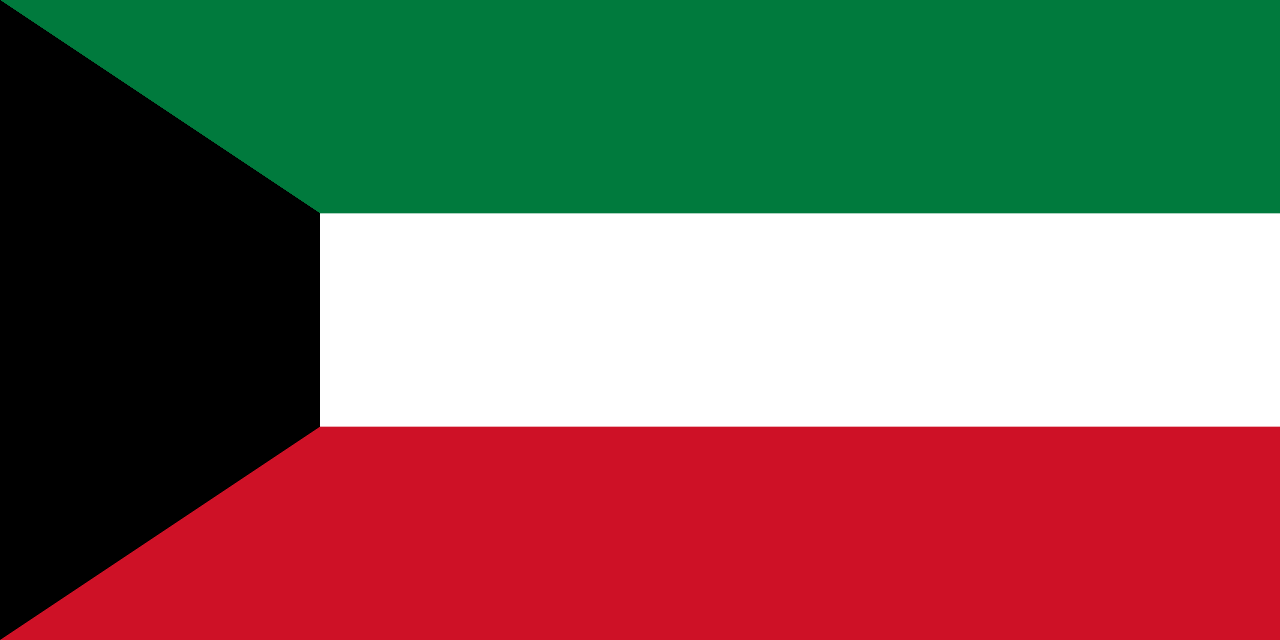
Kuwait is a constitutional emirate ruled by the Al Sabah family, but it stands out in the Gulf for having one of the most powerful and longest-standing elected parliaments in the region. The National Assembly, established under the 1962 constitution, can question ministers, block legislation, and has frequently clashed with the government. While the emir holds ultimate authority and has at times suspended the assembly, Kuwait's tradition of political debate and a relatively free press has long made it more politically open than many of its neighbors. You can spot the nation's heritage even in its flag.
10. Desert Wildlife and a Surprising Springtime Bloom
Kuwait's harsh desert may look barren, but it bursts to life after winter rains, when wildflowers and grasses briefly carpet the sands and Kuwaitis flock to the desert to camp. The country lies on a major migratory bird route, drawing flamingos, herons, and dozens of other species to its coastal mudflats and the protected Jahra Pool reserve. Desert dwellers include the Arabian red fox, jerboas, lizards, and the occasional desert hare. Offshore, the Gulf waters support coral reefs, shrimp, and the prized zubaidi (silver pomfret) fish, a staple of Kuwaiti tables.
Frequently Asked Questions
What is the capital of Kuwait?
The capital is Kuwait City, located on the southern shore of Kuwait Bay. It is the country's political, financial, and cultural center, home to the National Assembly, the famous Kuwait Towers, and the towering Al Hamra skyscraper. The greater metropolitan area contains the bulk of the nation's population.
What is Kuwait famous for?
Kuwait is best known for its immense oil reserves and the resulting wealth, including the world's highest-valued currency, the Kuwaiti dinar. It is also famous for its pearl-diving and dhow-building heritage, the diwaniya tradition of social gatherings, and its role as the flashpoint of the 1990–91 Gulf War.
Why is Kuwait so hot?
Kuwait sits in a low-lying desert at the head of the Persian Gulf with virtually no mountains or forests to moderate temperatures. Summer highs routinely exceed 50°C (122°F), making it one of the hottest inhabited places on Earth, and dust storms known locally as shamal winds add to the extreme conditions.
Conclusion
Kuwait is a country of striking contrasts, where ancient pearl-diving traditions sit beside gleaming skyscrapers and where a tiny desert nation wields outsized economic and political influence. From its diverse population and lively diwaniya culture to its resilient recovery from invasion, Kuwait rewards anyone willing to look beyond the oil headlines. There is far more to discover in this fascinating corner of the Arabian Gulf.