
Few countries on Earth feel as enigmatic as Turkmenistan. Tucked away in the heart of Central Asia, this is a land of staggering contrasts: a gleaming white-marble capital rising from one of the planet's largest sand deserts, ancient Silk Road cities crumbling under the sun, and a permanently burning crater that glows like a portal to the underworld. Sitting atop some of the world's richest natural gas reserves yet remaining among the least-visited nations anywhere, Turkmenistan is a place that defies easy description. Nicknamed The Land of White Marble, it offers travelers and the curious alike a glimpse into a society where ancient nomadic traditions coexist with surreal modern grandeur.
Overview and First Impressions
Turkmenistan is a Central Asian republic dominated by the vast Karakum Desert, which blankets roughly 70 percent of its territory. Despite this arid landscape, the nation has channeled its enormous hydrocarbon wealth into an extraordinary capital, Ashgabat, famous for its dazzling marble facades, golden domes, and sweeping, often empty, boulevards. The country occupies a strategic position along the historic Silk Road, and its soil holds archaeological treasures that testify to millennia of human settlement. Politically, Turkmenistan remains one of the most tightly controlled and closed nations in the world, which only deepens its mystique. The country's distinctive flag of turkmenistan features a vertical stripe of carpet guls, a proud nod to a centuries-old weaving tradition.
Geography and Landscape
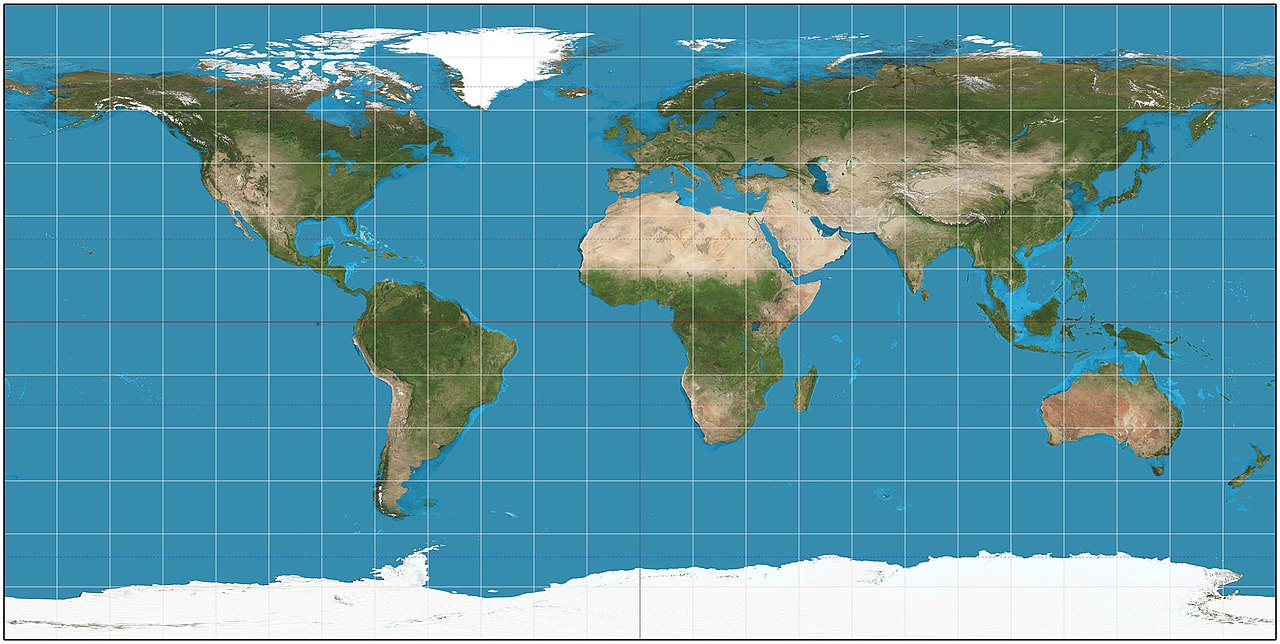
Turkmenistan shares borders with Kazakhstan to the northwest, Uzbekistan to the north and east, Afghanistan to the southeast, and Iran to the south, while its western edge meets the Caspian Sea. The defining feature of its geography is the Karakum Desert, one of the largest sand deserts on the planet, stretching across the country's interior in endless dunes and salt flats. Along the southern frontier with Iran, the Kopet Dag mountain range rises to peaks of around 2,940 meters, offering rare relief from the flatness of the plains. The Amu Darya river traces the northeastern border, feeding the Karakum Canal, an irrigation channel that runs more than 1,300 kilometers and ranks among the longest in the world. To the west, the Caspian coastline extends for roughly 1,768 kilometers, providing the nation with maritime access and important port facilities.
Climate
The climate of Turkmenistan is harshly continental and overwhelmingly arid. Summers in the desert interior are brutally hot, with temperatures that can soar past 50 degrees Celsius, while winters in the north can plunge below minus 20 degrees. Rainfall is scarce throughout the country, averaging between 80 and 300 millimeters per year, with the slightly wetter mountain regions seeing the most precipitation. The Caspian coast in the west enjoys somewhat milder winters and higher humidity than the parched interior. For anyone planning a visit, these extremes make timing essential, as both midsummer and midwinter can be genuinely inhospitable across much of the country.
A Crossroads of History
The land that is now Turkmenistan has cradled some of Central Asia's earliest civilizations. The Bronze Age site of Gonur Depe may have been the heart of the Margiana civilization, a sophisticated culture flourishing thousands of years ago. Later, the city of Merv grew into one of the largest urban centers on Earth during the 12th century, a glittering hub of Silk Road trade and Islamic scholarship, before the Mongols devastated it in 1221. Turkmen tribes emerged as a distinct people in the medieval era, renowned across the region for their horsemanship and for breeding the legendary Akhal-Teke horse. The Russian Empire conquered the territory in the late 19th century following the bloody Battle of Geok Tepe in 1881. Incorporated as a Soviet republic in 1924, Turkmenistan finally gained its independence in 1991 with the collapse of the Soviet Union, embarking on a singular path of its own.
Culture and Society
Turkmen identity is woven around three enduring symbols: horses, carpets, and a proud nomadic heritage. The Akhal-Teke horse, prized for its shimmering, almost metallic coat and remarkable endurance, is a true national emblem and even appears on the state coat of arms. Equally celebrated are Turkmen carpets, whose deep reds and maroons and intricate geometric guls are recognized by UNESCO as intangible cultural heritage and are coveted by collectors worldwide. The cultural calendar is rich with festivities: Novruz, the Persian New Year, brings music, dancing, and feasting, while Turkmen Horse Day puts the nation's beloved steeds center stage with racing and pageantry. Perhaps the most charming celebration is Melon Day each August, a national holiday devoted entirely to the famed Turkmen muskmelon, complete with competitions and joyful feasting. Hospitality runs deep in Turkmen society, and guests are traditionally welcomed with warmth, bread, and tea.
Economy
Turkmenistan's economy rests almost entirely on its extraordinary energy wealth. The country holds the world's fourth-largest proven reserves of natural gas, and the hydrocarbon sector supplies the lion's share of government revenue and export earnings. This wealth has allowed the state to heavily subsidize essentials for its citizens, with gas, electricity, water, and bread provided at minimal or no cost for much of recent history. Beyond energy, cotton is the leading agricultural export, cultivated through intensive irrigation along the Amu Darya and the Karakum Canal. This dependence on irrigated cotton has, however, carried a heavy environmental price, contributing to water stress and the broader regional tragedy of the shrinking Aral Sea. Diversifying beyond gas and cotton remains one of the nation's long-term challenges.
Tourism and Travel Tips
Turkmenistan rewards the intrepid with sights found nowhere else. The undisputed star is the Darvaza Gas Crater, the so-called Door to Hell, a 70-meter-wide pit of flaming natural gas in the Karakum Desert that has burned continuously since 1971. Watching its fiery glow against the night sky is an unforgettable experience. The ancient ruins of Merv, a UNESCO World Heritage Site, preserve the haunting remains of a once-mighty Silk Road metropolis, including the soaring Mausoleum of Sultan Sanjar. Ashgabat itself is a destination unlike any other, a city of white marble towers, golden statues, and vast ceremonial avenues that feels both futuristic and dreamlike.
Practical planning is essential. Most visitors require a visa supported by a letter of invitation, and independent travel is restricted, so booking through an authorized local tour operator is the norm. The best time to visit is spring (April to June) or autumn (September to October), when temperatures are pleasant and skies are clear. Carry cash, dress modestly, and be mindful that photography of government buildings is often prohibited. Travelers exploring the wider region may also enjoy neighboring Uzbekistan, with its famed Silk Road cities, or Iran to the south, both of which share deep historical ties with Turkmenistan.
Key Facts
- Official Name: Turkmenistan
- Capital: Ashgabat
- Continent / Region: Asia (Central Asia)
- Area: 488,100 km²
- Population: 6.3 million
- Currency: Turkmenistan Manat (TMT)
- Languages: Turkmen, Russian
Interesting Facts
- Ashgabat holds the Guinness World Record for the highest density of white marble-clad buildings, with over 540 marble structures concentrated in its center.
- The Darvaza Gas Crater has been ablaze since Soviet geologists ignited it in 1971, expecting the flames to die out within weeks rather than decades.
- The Akhal-Teke horse, with its trademark metallic sheen, is one of the oldest and rarest horse breeds in the world and a symbol of national pride.
- Medieval Merv was among the largest cities on Earth in the 12th century, with an estimated population exceeding 500,000 before the Mongol invasion.
- Every August, Turkmenistan celebrates Melon Day, a full national holiday honoring the prized Turkmen muskmelon with festivals and feasting.
Frequently Asked Questions
What is the capital of Turkmenistan?
The capital of Turkmenistan is Ashgabat, a striking city renowned for its white marble buildings, golden monuments, and expansive boulevards. It holds a Guinness World Record for the highest concentration of marble-clad structures anywhere in the world.
What languages are spoken in Turkmenistan?
The official and most widely spoken language is Turkmen, a Turkic language. Russian is also commonly used, particularly in business, government, and urban areas, reflecting the country's Soviet-era history.
What is the best time to visit Turkmenistan?
The most comfortable times to visit are spring (April to June) and autumn (September to October), when temperatures are mild and pleasant. Summer can be dangerously hot in the desert, often exceeding 50 degrees Celsius, while winter in the north can be bitterly cold.
What is Turkmenistan known for?
Turkmenistan is best known for the burning Darvaza Gas Crater, its marble capital of Ashgabat, the ancient Silk Road ruins of Merv, the elegant Akhal-Teke horse, and intricate handwoven carpets. It also holds the world's fourth-largest natural gas reserves.