
The 5 main types of islands are: continental islands (detached from continents), volcanic islands (built by eruptions), coral islands/atolls (built by coral organisms), barrier islands (sand deposits), and artificial islands (human-made). Islands are classified by the geological process that formed them.
Islands form through diverse geological processes. From massive continental islands to tiny coral atolls, each island type has a unique origin and set of characteristics.
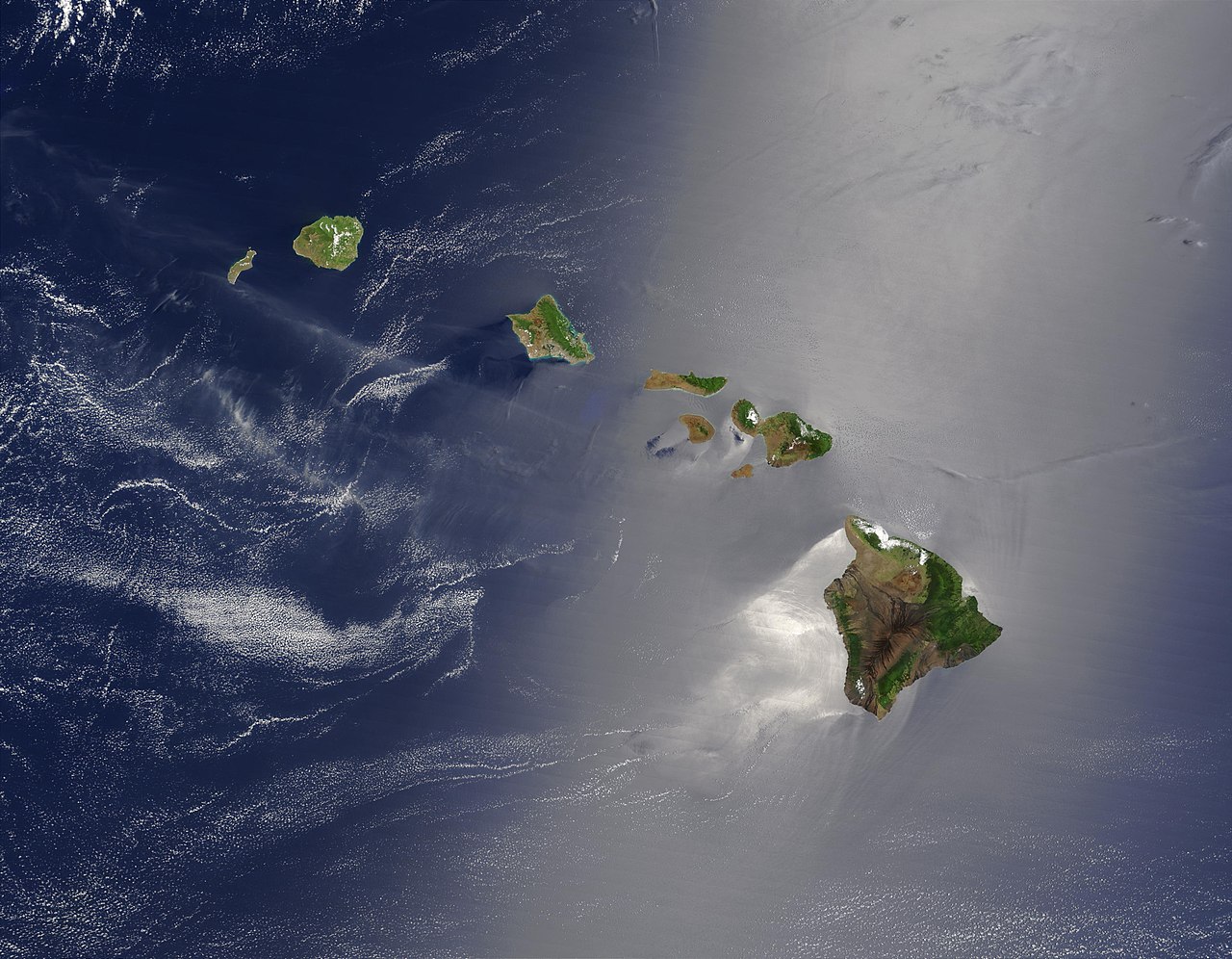
Continental Islands
Continental islands are pieces of continental crust that have been separated from the mainland by rising sea levels, tectonic movement, or erosion. They sit on the continental shelf and share geological and biological characteristics with the nearest continent. The largest islands on Earth are continental.
How it forms: Separated from continents by rising sea levels after ice ages, tectonic rifting, or erosion creating channels. They were once physically connected to the mainland.
Examples: Greenland (largest island), Madagascar, British Isles, Borneo, Java, New Zealand
Volcanic Islands
Volcanic islands are built by undersea volcanic eruptions that pile up enough lava and ash to break the ocean surface. They can form over hotspots (like Hawaii), at subduction zones (like Japan), or along mid-ocean ridges (like Iceland). Many volcanic islands form chains as a tectonic plate moves over a stationary hotspot.
How it forms: Undersea volcanoes erupt repeatedly, building up layers of lava and volcanic material until the mountain rises above sea level. Hotspot islands form chains as the plate moves.
Examples: Hawaii, Iceland, Galápagos, Canary Islands, Réunion, Tonga
Coral Islands (Atolls)
Coral atolls are ring-shaped islands made of coral reef that encircles a lagoon. They form through a process described by Charles Darwin: a volcanic island subsides while coral continues to grow upward around its edges, eventually leaving only the coral ring after the volcanic peak sinks below the surface.
How it forms: A volcanic island gradually subsides. Coral grows on its fringing reef, keeping pace with the sinking land. Eventually only the coral ring remains, surrounding a lagoon where the volcano once stood.
Examples: Maldives, Marshall Islands, Kiribati, Midway Atoll, Bikini Atoll
Barrier Islands
Barrier islands are long, narrow sand islands that run parallel to the coast, separated from the mainland by a lagoon or sound. They are formed by wave action, longshore drift, and wind depositing sand. They serve as natural barriers protecting the mainland from ocean storms.
How it forms: Formed by wave and wind action depositing sand along the coast. They may also form from the drowning of coastal dune ridges as sea levels rise.
Examples: Outer Banks (North Carolina), Galveston Island (Texas), Miami Beach (Florida), Padre Island (Texas)
Artificial Islands
Artificial islands are human-made landmasses created by land reclamation, dredging, or constructing platforms. They are built for various purposes including airports, housing, military bases, and tourism. Modern engineering has made it possible to create massive artificial islands.
How it forms: Created by dumping sand, rock, or construction material into shallow water, or by enclosing an area with seawalls and pumping out the water (land reclamation).
Examples: Palm Jumeirah (Dubai), Kansai Airport Island (Japan), Flevopolder (Netherlands)
Tidal Islands
Tidal islands are connected to the mainland at low tide by a land bridge (tombolo) but become true islands at high tide. The connection appears and disappears with the tidal cycle. Many tidal islands have historical significance as natural fortresses.
How it forms: A sand or gravel bar (tombolo) builds up between an island and the mainland through wave deposition, but it is submerged at high tide.
Examples: Mont-Saint-Michel (France), St Michael's Mount (England), Lindisfarne (England)
Key Facts
- There are approximately 900,000 islands in the world.
- Greenland is the largest island at 2.166 million km².
- Indonesia has the most islands of any country, with over 17,000.
- Low-lying coral atolls are among the most vulnerable landforms to sea-level rise.
Fun Facts
- Surtsey, off Iceland, emerged from the ocean in 1963 and is a UNESCO site for studying how life colonizes new land.
- Japan has built 13 airports on artificial islands.
- The Maldives averages only 1.5 meters above sea level, making it the flattest country on Earth.
Summary
Islands form through a remarkable variety of processes — from violent volcanic eruptions to the slow growth of coral organisms. Understanding island types helps us appreciate their geological origins and the environmental challenges they face.
Test Your Geography Knowledge!
Think you know your geographic features? Try our interactive quizzes!
Play Geography Games →