
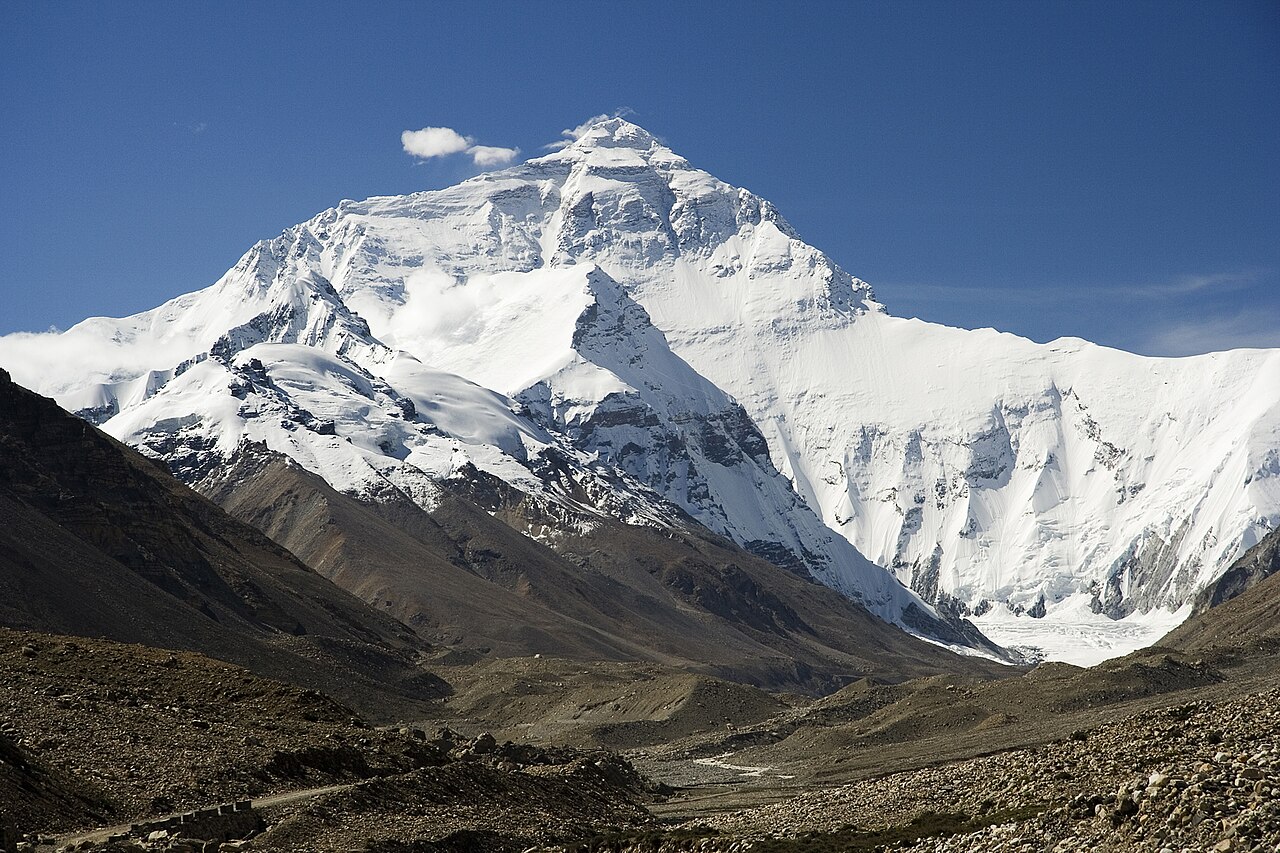
The 5 main types of mountains are: fold mountains (formed by plate collision), fault-block mountains (formed by faulting), dome mountains (formed by magma uplift), volcanic mountains (built by eruptions), and plateau mountains (carved by erosion). They are classified by the geological process that created them.
Mountains are classified into five main types based on how they formed: fold, fault-block, dome, volcanic, and plateau mountains. Each type results from different geological forces.

Fold Mountains
Fold mountains are the most common and tallest type, formed when two tectonic plates collide and the rock layers between them buckle and fold upward like a crumpled rug. This process takes millions of years. Most of the world's major mountain ranges are fold mountains.
How it forms: Created at convergent plate boundaries where continental plates collide. The compression forces layers of sedimentary rock to fold, thrust, and stack upon each other, building towering ranges.
Examples: Himalayas, Alps, Andes, Rockies, Appalachians, Urals
Fault-Block Mountains
Fault-block mountains form when large blocks of rock are uplifted along fault lines. Tectonic forces create cracks (faults) in the Earth's crust, and sections of rock are pushed up or dropped down relative to each other. The uplifted blocks become mountains (horsts), while the dropped blocks form valleys (grabens).
How it forms: Formed by tensional (pulling apart) forces that create normal faults. The crust breaks into blocks; some are pushed up while adjacent blocks drop down.
Examples: Sierra Nevada (California), Teton Range (Wyoming), Harz Mountains (Germany)
Dome Mountains
Dome mountains form when a large body of magma pushes upward beneath the Earth's surface but does not erupt. The overlying rock layers are pushed upward into a dome shape. Over time, erosion removes the softer outer layers, exposing the harder igneous rock beneath.
How it forms: Magma intrudes beneath existing rock layers, pushing them upward into a rounded dome. Erosion then sculpts the dome into a mountain range.
Examples: Black Hills (South Dakota), Adirondack Mountains (New York)
Volcanic Mountains
Volcanic mountains are built by the accumulation of lava, ash, and rock fragments ejected during volcanic eruptions. They can grow rapidly compared to other mountain types and include some of Earth's most iconic peaks.
How it forms: Built by successive volcanic eruptions that deposit layers of lava and tephra around a central vent. Found at plate boundaries and hotspots.
Examples: Mount Fuji (Japan), Mount Kilimanjaro (Tanzania), Mount Rainier (USA)
Plateau Mountains (Erosion Mountains)
Plateau mountains are not formed by internal forces pushing rock up but by erosion wearing down an elevated flat area (plateau). Rivers and glaciers carve deep valleys and gorges into the plateau, leaving behind elevated flat-topped peaks and ridges. They are sometimes called mountains of dissection.
How it forms: A flat plateau is uplifted by broad tectonic forces. Over millions of years, rivers cut deep valleys into the plateau, creating mountain-like terrain.
Examples: Catskill Mountains (New York), Blue Mountains (Australia), mountains of the Deccan Plateau (India)
Key Facts
- The Himalayas are still growing by about 5 mm per year due to the ongoing collision of India with Asia.
- Mountains cover about 22% of the Earth's land surface.
- The Appalachian Mountains were once as tall as the Himalayas but have been worn down by hundreds of millions of years of erosion.
- Mountain ecosystems are home to about 25% of terrestrial biodiversity.
Fun Facts
- Mount Everest grows about 4 mm taller each year.
- The oldest mountains on Earth are the Barberton Greenstone Belt in South Africa, about 3.6 billion years old.
- Mountains influence weather patterns, creating rain shadows on their leeward sides.
Summary
The five types of mountains — fold, fault-block, dome, volcanic, and plateau — each tell a unique story about the forces that shape our planet. Understanding these types helps explain Earth's dramatic landscapes and the tectonic processes behind them.
Test Your Geography Knowledge!
Think you know your geographic features? Try our interactive quizzes!
Play Geography Games →