
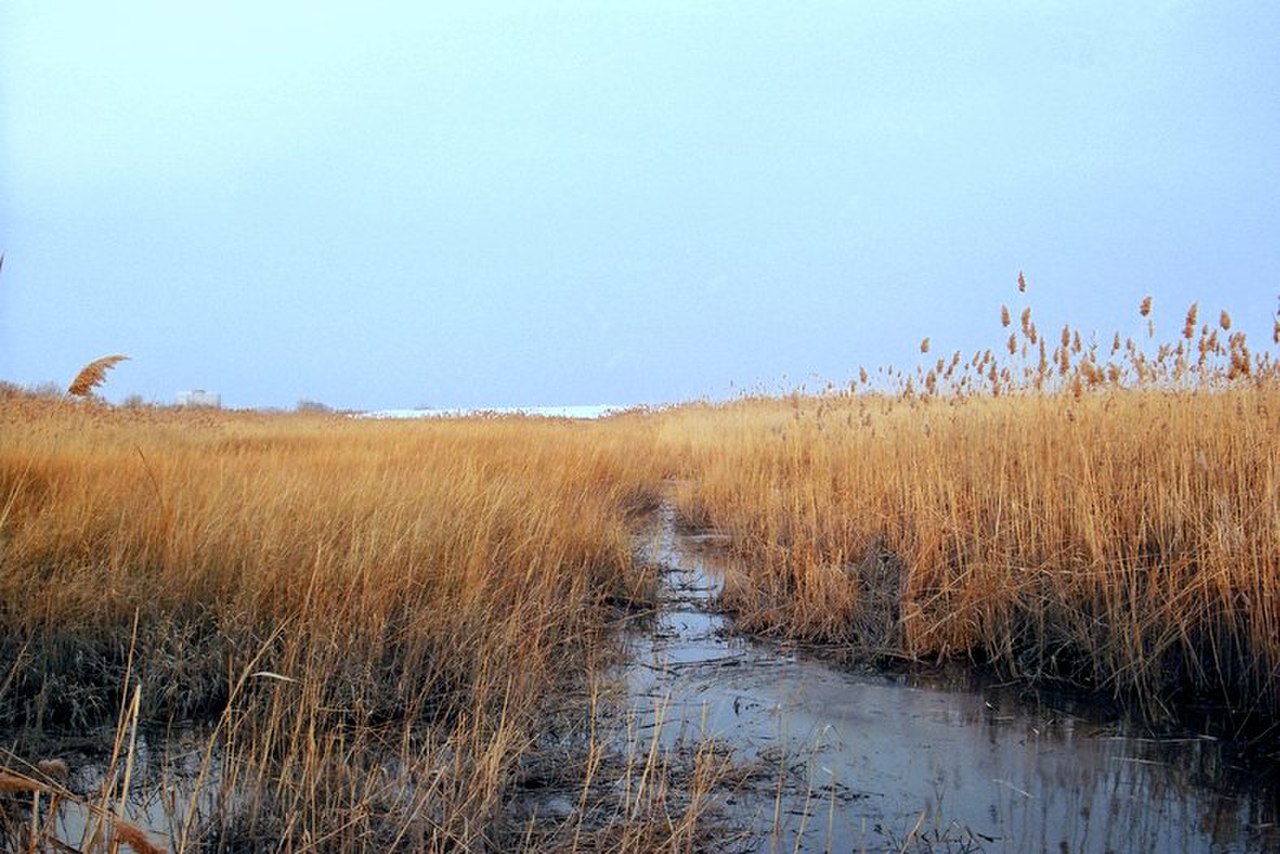
Introduction to Wetlands
Wetlands are areas where water covers the soil or is present at or near the surface for significant periods. This simple definition encompasses a remarkable diversity of ecosystems—from tropical mangrove forests to Arctic bogs, from vast river floodplains to small prairie potholes. Often called "nature's kidneys" for their water-filtering abilities, wetlands are among Earth's most productive ecosystems, rivaling rainforests and coral reefs in biodiversity and ecological importance.
Types of Wetlands
Marshes
Wetlands dominated by soft-stemmed vegetation like grasses, reeds, and sedges. Marshes form along rivers, lakes, and coasts where water is relatively shallow and nutrient-rich. The Florida Everglades and Louisiana's coastal marshes are examples.
Swamps
Forested wetlands with standing water for much of the year. Swamps may be freshwater (like the Great Dismal Swamp) or saltwater (mangrove swamps). Trees like cypress, tupelo, and mangroves are adapted to waterlogged conditions.
Bogs
Peat-accumulating wetlands fed primarily by precipitation, making them acidic and nutrient-poor. Sphagnum moss dominates, and peat can accumulate for thousands of years. Bogs are common in northern regions and support unique carnivorous plants.
Fens
Similar to bogs but fed by groundwater, making them less acidic and more nutrient-rich. Fens support more diverse plant communities than bogs and are common in glaciated regions.
Mangrove Forests
Coastal wetlands in tropical and subtropical regions dominated by salt-tolerant mangrove trees. Their tangled root systems protect coastlines, nurture fisheries, and store massive amounts of carbon.
Wetland Formation
Wetlands form where water accumulates and drainage is impeded:
- River Floodplains: Periodic flooding creates riparian wetlands along rivers.
- Glacial Depressions: Ice-carved basins collect water, creating prairie potholes and northern bogs.
- Coastal Areas: Sea-level changes, river deltas, and tidal action create coastal wetlands.
- Groundwater Seepage: Where groundwater reaches the surface, wetlands form at springs and seeps.
- Poor Drainage: Flat terrain with impermeable soils naturally accumulates water.
Ecological Importance
Wetlands provide services far beyond their size:
Biodiversity Hotspots
Wetlands support an estimated 40% of all plant and animal species, despite covering only about 6% of Earth's land surface. They're critical for amphibians, waterbirds, fish, and countless invertebrates.
Water Filtration
Wetland plants and soils remove pollutants, sediments, and excess nutrients from water. A single acre of wetland can filter millions of gallons of water daily.
Flood Control
Wetlands act as natural sponges, absorbing floodwaters and releasing them slowly. The destruction of wetlands increases flood damage downstream.
Carbon Storage
Wetlands, especially peatlands, store vast amounts of carbon. Peatlands alone contain twice as much carbon as all the world's forests combined.
Nursery Habitat
Many commercially important fish and shellfish depend on wetlands for spawning and juvenile development. An estimated two-thirds of commercial fish species rely on wetlands at some life stage.
Major Wetlands of the World
The Pantanal
The world's largest tropical wetland, spanning Brazil, Bolivia, and Paraguay. During wet season, up to 80% of its 70,000 square miles flood, supporting jaguars, caimans, and hundreds of bird species.
Okavango Delta
A unique inland delta in Botswana where the Okavango River spreads across the Kalahari Desert, creating an oasis of wetlands supporting elephants, lions, and extraordinary biodiversity.
The Everglades
A vast "river of grass" flowing slowly across southern Florida. Though reduced to half its original size, it remains the largest subtropical wilderness in the United States.
Sundarbans
The world's largest mangrove forest, spanning the Ganges-Brahmaputra delta in Bangladesh and India. It's home to the endangered Bengal tiger and protects millions of people from cyclones.
Threats to Wetlands
Wetlands face severe threats worldwide:
- Drainage: Over half of the world's wetlands have been drained for agriculture and development.
- Pollution: Agricultural runoff, industrial discharge, and urban wastewater degrade wetland water quality.
- Climate Change: Altered precipitation patterns, rising seas, and warming temperatures threaten wetland ecosystems.
- Invasive Species: Non-native plants and animals can disrupt wetland food webs and outcompete native species.
- Development: Coastal wetlands face intense pressure from urban and industrial expansion.
Wetland Conservation
Growing recognition of wetland values has spurred conservation efforts:
- Ramsar Convention: An international treaty protecting wetlands of international importance, with over 2,400 designated sites.
- Wetland Restoration: Many degraded wetlands are being restored by re-establishing hydrology and native vegetation.
- Mitigation Banking: Developers who destroy wetlands may be required to create or restore wetlands elsewhere.
Conclusion
Wetlands are irreplaceable ecosystems that provide services worth trillions of dollars annually—water purification, flood control, carbon storage, and habitat for countless species. Despite their value, we've lost more than half of Earth's wetlands, with losses continuing today. Protecting and restoring wetlands is essential for biodiversity conservation, water security, and climate change mitigation. These humble, often overlooked landscapes may be among our most valuable natural assets.
