
Introduction
Lebanon is a Middle East nation covering 10,452 km², with a population of ~5.5 million. Its capital is Beirut, and the country's geography is remarkably diverse. Small Mediterranean country with a narrow coastal plain, two parallel mountain ranges — Mount Lebanon and Anti-Lebanon — separated by the fertile Bekaa Valley, creating dramatic elevation changes within a very short distance from sea to summit Among the most iconic geographic features are Mount Lebanon Range, Bekaa Valley, Anti-Lebanon Mountains, Cedars of God, and Jeita Grotto. The geography of Lebanon has profoundly shaped its history, culture, economy, and the daily lives of its people.

Physical Geography
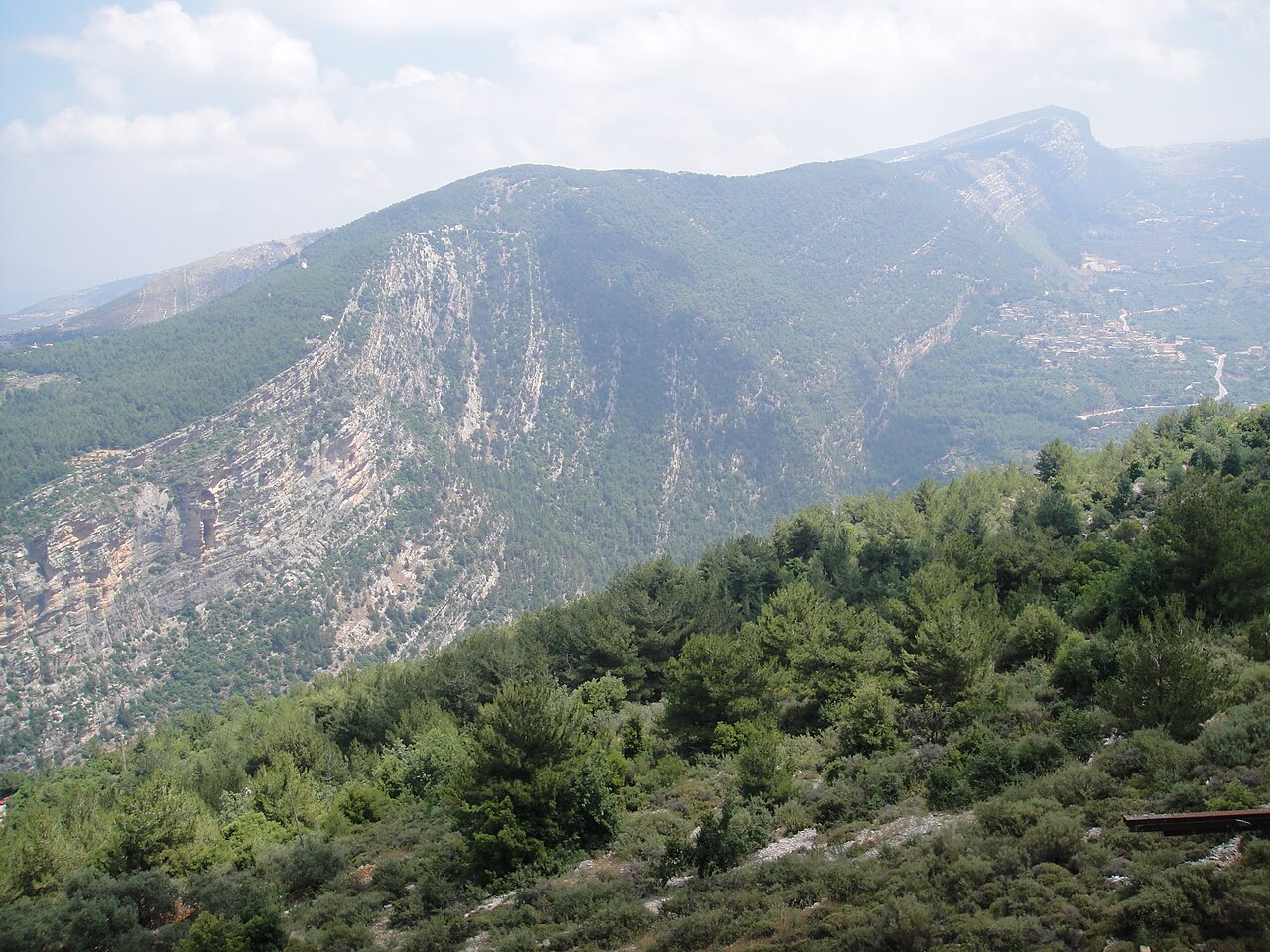
The physical landscape of Lebanon is defined by its diverse terrain. Small Mediterranean country with a narrow coastal plain, two parallel mountain ranges — Mount Lebanon and Anti-Lebanon — separated by the fertile Bekaa Valley, creating dramatic elevation changes within a very short distance from sea to summit The country's mountain systems include Mount Lebanon range parallel to the coast with Qurnat as Sawda (3,088 m, highest point); Anti-Lebanon range on the Syrian border with Mount Hermon (2,814 m); both ranges snow-capped in winter. Major river systems include Litani (170 km, longest, entirely within Lebanon), Orontes (flows north into Syria), Nahr al-Kabir (border with Syria), Nahr Ibrahim, Nahr al-Kalb (Dog River). These physical features create distinct geographic regions across the country, each with unique characteristics that influence land use, agriculture, and settlement patterns.
Climate & Weather
Lebanon experiences varied climate conditions across its territory. Mediterranean on the coast with hot dry summers (30°C) and mild rainy winters (13°C); heavy orographic rainfall on Mount Lebanon (up to 1,500 mm); snow at higher elevations November–April; semi-arid continental in the Bekaa Valley These diverse climate patterns support different agricultural systems and ecosystems across the country, and play a critical role in shaping the landscape and influencing the daily lives of Lebanese people throughout the year.
Natural Resources & Environment
Lebanon possesses significant natural resources and diverse ecosystems. Limestone and building stone, limited arable land (fertile Bekaa Valley for agriculture), water resources from mountain snowmelt, salt, iron ore deposits; no significant oil or gas (offshore exploration ongoing) The country's ecosystems include Mediterranean coastal scrubland, remnant cedar forests (Cedars of God UNESCO site), pine and oak forests on Mount Lebanon, alpine zones above 2,500 m, Bekaa Valley agricultural steppe, Ammiq wetland (important bird migration stopover), marine environment Environmental conservation remains an important priority as Lebanon works to balance economic development with the protection of its natural heritage and biodiversity.
Human Geography
Lebanon's population of ~5.5 million is centered around major urban areas including Beirut (2.4M metro), Tripoli (500K), Sidon (200K), Tyre (175K), Jounieh (100K). The capital, Beirut, serves as the political and administrative center. Population distribution reflects the influence of geographic factors including climate, water availability, fertile land, and transportation networks. Urbanization continues to reshape the country's demographic landscape.
Key Geographic Facts
- Lebanon is only 10,452 km² — smaller than Connecticut — yet rises from sea level to 3,088 m within just 40 km
- The Bekaa Valley between the two mountain ranges is one of the most fertile areas in the Middle East, sitting at 900 m elevation
- Lebanon receives more rainfall than any other Middle Eastern country, with Mount Lebanon getting up to 1,500 mm annually
- The country is only 217 km long and 56 km wide at its widest point
- Lebanon's coast stretches 225 km along the eastern Mediterranean with no natural deep-water harbors
Fun Facts
- The Cedars of Lebanon were so prized in antiquity that they were used to build Solomon's Temple and Egyptian pharaohs' ships — only 12 small groves survive today
- Jeita Grotto contains a 9 km long limestone cave system with one of the world's largest stalactites at 8.2 m
- Lebanon is one of the few places in the world where you can ski in the mountains and swim in the Mediterranean on the same day
- The ancient city of Byblos, on Lebanon's coast, is one of the oldest continuously inhabited cities in the world — settled around 5000 BC
- Qadisha Valley is a dramatically deep gorge in Mount Lebanon that sheltered Christian monastic communities for over 1,600 years
