

The Maghreb, meaning "the West" in Arabic, refers to the northwestern region of Africa comprising Morocco, Algeria, Tunisia, Libya, and Mauritania. Spanning over 6 million square kilometers, the Maghreb stretches from the Atlantic coast of Morocco to the western border of Egypt, encompassing diverse landscapes from Mediterranean coastlines to the vast Sahara Desert.
Introduction
Historically, the Maghreb has served as a bridge between sub-Saharan Africa and Europe, a meeting point of Arab, Berber, and Mediterranean civilizations. The region shares deep linguistic, cultural, and religious ties, with Arabic and Berber languages spoken alongside French as a legacy of colonial rule. Today, the Maghreb is home to roughly 100 million people and plays a critical role in Mediterranean geopolitics, energy markets, and migration patterns.
Geography & Climate
- Total Area: Over 6 million km²
- Largest Country: Algeria (2.38 million km²)
- Major Mountain Range: Atlas Mountains
- Climate Zones: Mediterranean, semi-arid, Saharan desert
The Atlas Mountains form the backbone of the Maghreb, stretching over 2,500 kilometers from Morocco through Algeria and into Tunisia. The High Atlas in Morocco reaches 4,167 meters at Toubkal, the highest peak in North Africa. North of the Atlas, the Tell region enjoys a Mediterranean climate with fertile agricultural land, while to the south lies the vast Sahara Desert covering most of Algeria, Libya, and Mauritania.
The Mediterranean coastline extends over 4,000 kilometers and has shaped the region's history and economy for millennia. Major rivers including the Moulouya, Chelif, and Medjerda provide water for agriculture but are increasingly stressed by drought and overuse. The Saharan portion of the Maghreb contains some of the most extreme desert environments on Earth, with summer temperatures regularly exceeding 50 degrees Celsius.
Member Countries & Demographics
- Population: Approximately 100 million
- Morocco: 37 million, constitutional monarchy
- Algeria: 45 million, largest Maghreb nation by area
- Tunisia: 12 million, most progressive on social reforms
- Libya: 7 million, fragmented since 2011
- Mauritania: 4.6 million, bridge to sub-Saharan Africa
Morocco is the westernmost Maghreb nation, a constitutional monarchy with a diversified economy built on agriculture, mining (the world's largest phosphate reserves), tourism, and growing automotive and aerospace sectors. Algeria, the largest country in Africa by area, depends heavily on oil and natural gas exports, which account for roughly 95 percent of its export revenue.
Tunisia, the smallest Maghreb state, was the birthplace of the Arab Spring in 2010-2011 and has since navigated a turbulent democratic transition. Libya has been fractured by civil conflict since the overthrow of Muammar Gaddafi in 2011, with rival governments controlling different parts of the country. Mauritania sits at the transition zone between the Arab Maghreb and sub-Saharan Africa, with a largely desert landscape and an economy based on mining and fishing.
Cultural Heritage
- Languages: Arabic, Berber (Tamazight), French
- Religion: Islam (predominantly Sunni, Maliki school)
- UNESCO Sites: Over 30 across the Maghreb
- Architectural Style: Islamic, Andalusian, French colonial
The Maghreb's cultural identity is rooted in the fusion of Arab and indigenous Berber (Amazigh) traditions. The Berber peoples have inhabited North Africa for thousands of years, and their languages, recently recognized as official in Morocco and Algeria, are experiencing a cultural revival. Arabic, introduced with the Islamic conquests of the 7th century, is the dominant language of government, media, and religion across the region.
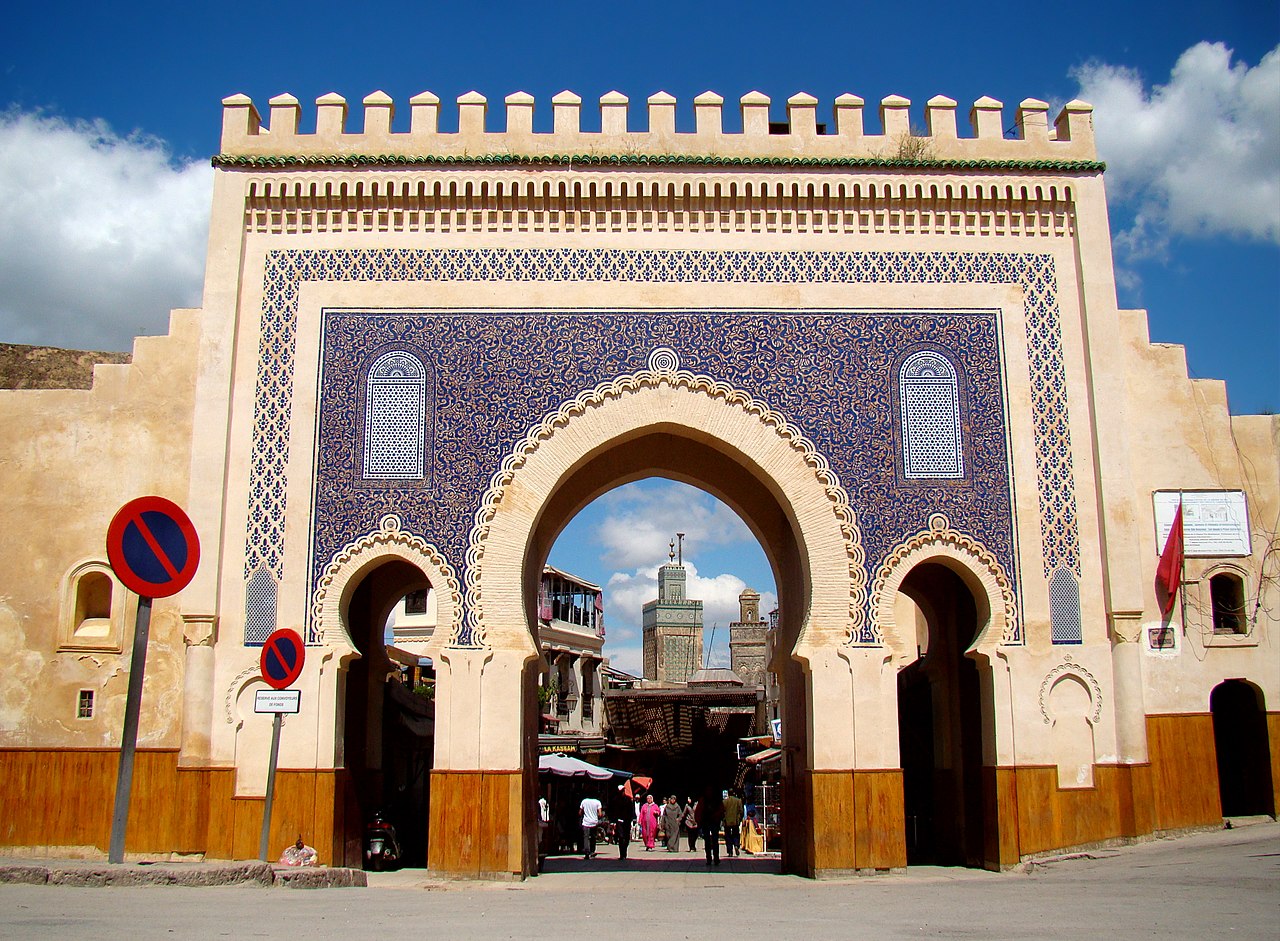
The architectural heritage of the Maghreb reflects centuries of cultural layering. Ancient Roman ruins at Volubilis, Timgad, and Dougga sit alongside medieval Islamic medinas in Fez, Marrakech, and Tunis. The region's cuisine — couscous, tagine, harissa, and mint tea — has become globally recognized. Traditional music forms including Gnawa, Rai, and Andalusian classical music continue to evolve and influence world music.
Economy & Energy
- Algeria Oil Reserves: 12.2 billion barrels
- Morocco Phosphate: 75% of world reserves
- Libya Oil Reserves: 48.4 billion barrels (largest in Africa)
- Key Industries: Oil, gas, phosphates, agriculture, tourism
Energy resources dominate the Maghreb's economic landscape. Algeria and Libya hold massive oil and natural gas reserves, making them major suppliers to European markets. Algeria operates the Trans-Mediterranean pipeline to Italy and the Medgaz pipeline to Spain, while Libya's oil production fluctuates dramatically due to ongoing political instability. Morocco, lacking significant hydrocarbons, has invested heavily in renewable energy, including the Noor-Ouarzazate solar complex, one of the world's largest.
Agriculture remains vital across the region, employing roughly 30-40 percent of the workforce in Morocco and Tunisia. The Tell Atlas zone produces wheat, barley, olives, citrus fruits, and wine grapes. Tourism is a critical revenue source for Morocco and Tunisia, with Morocco attracting over 13 million visitors annually before the pandemic. The Maghreb nations have attempted to create a unified economic bloc through the Arab Maghreb Union, but political disputes — particularly between Algeria and Morocco over Western Sahara — have stalled integration.
Geopolitical Significance
- Migration Route: Major transit point to Europe
- Western Sahara: Disputed territory between Morocco and Polisario Front
- Security Concerns: Sahel instability, terrorism, smuggling
- EU Relations: Association agreements and migration partnerships
The Maghreb occupies a strategic position between Europe and sub-Saharan Africa, making it a focal point for migration, security, and energy politics. Hundreds of thousands of migrants from sub-Saharan Africa transit through Maghreb countries annually, attempting to reach Europe via the Mediterranean Sea or through the Spanish enclaves of Ceuta and Melilla. This migration flow has made the Maghreb central to EU foreign policy and border management efforts.
The Western Sahara dispute remains the region's most intractable conflict. Morocco claims and administers most of the territory, while the Polisario Front, backed by Algeria, seeks independence. This disagreement has kept the land border between Morocco and Algeria closed since 1994 and blocked meaningful regional cooperation. Meanwhile, instability in the Sahel region to the south — including jihadist insurgencies in Mali, Burkina Faso, and Niger — poses growing security challenges for the southern Maghreb states.
Key Facts
- The Maghreb spans over 6 million km² across five North African nations with roughly 100 million people.
- Algeria is the largest country in Africa by area, while Morocco holds 75% of the world's phosphate reserves.
- The Atlas Mountains stretch 2,500 km through Morocco, Algeria, and Tunisia.
- Libya holds Africa's largest proven oil reserves at 48.4 billion barrels.
- The Arab Maghreb Union has largely failed due to the Algeria-Morocco rivalry over Western Sahara.
Fun Facts
- The word "Maghreb" comes from Arabic for "the place where the sun sets" — essentially meaning "the West."
- Morocco's Fez medina is the world's largest car-free urban area, with over 9,000 narrow alleyways.
- Algeria is the only Maghreb country that fought a full-scale war of independence, losing over 1 million people between 1954 and 1962.
- Tunisia's Dougga is one of the best-preserved Roman towns in North Africa, complete with a nearly intact Capitol temple.
Final Thoughts
The Maghreb stands at a crossroads of civilizations, geographies, and geopolitical pressures that make it one of the most strategically important regions on Earth. Its blend of Arab and Berber cultures, its vast energy resources, and its position as the gateway between Africa and Europe ensure that the Maghreb will remain central to Mediterranean and global affairs for decades to come.
Test Your Knowledge!
Think you know the world's regions? Try our interactive geography quiz!
Play Geography Games →