
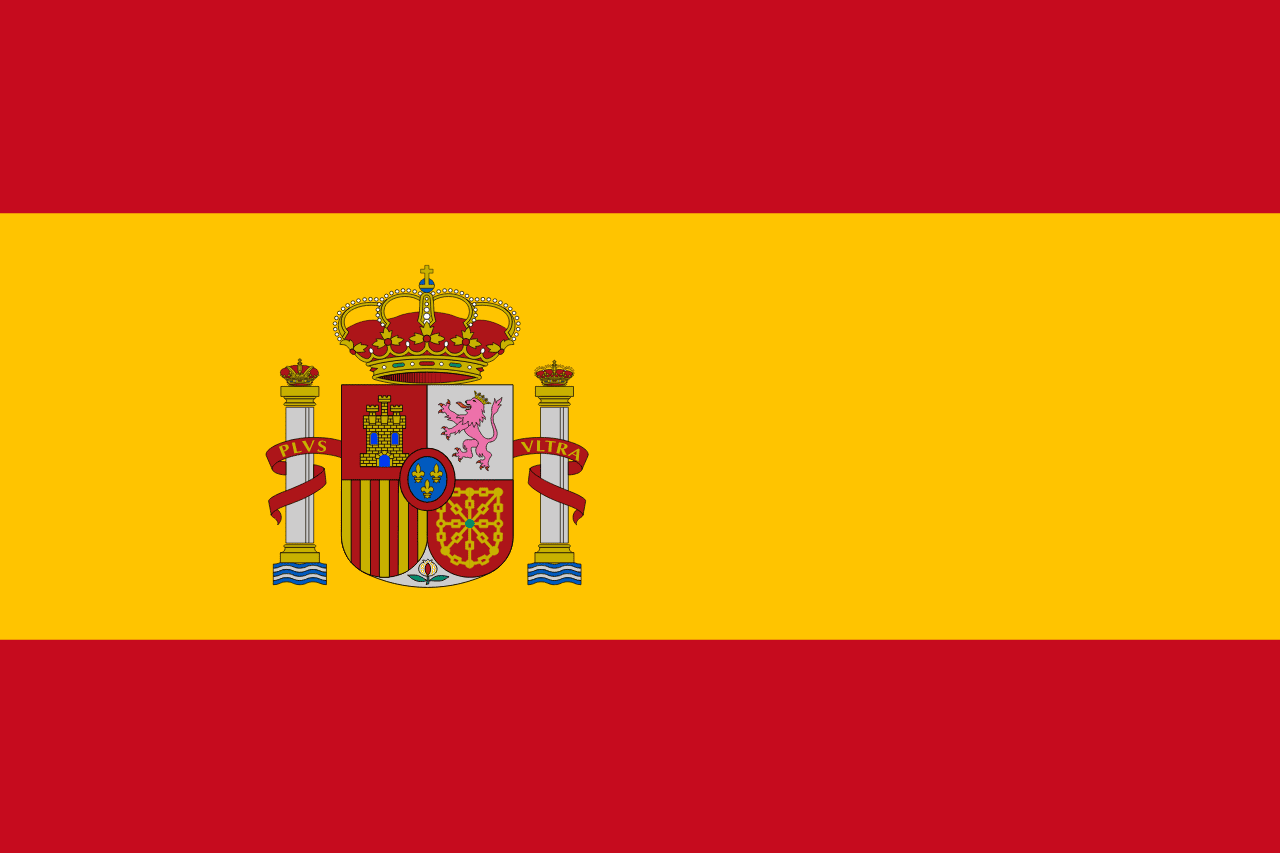
Spain has no official national sport defined by law, but bullfighting (la corrida de toros) is traditionally regarded as its de-facto national pastime, while football is by far the most popular and successful sport the country plays today. Few nations carry such a clear split between heritage and everyday passion: one activity defines historic Spanish identity, the other dominates television screens, schoolyards, and weekend life across the country.
Bullfighting: The Traditional National Pastime
Bullfighting, known in Spanish as la corrida de toros, has been associated with Spanish culture for centuries and is often cited as the country's national pastime rather than a conventional sport. In Spain it is frequently classified as a cultural and artistic tradition — the matador (torero) is treated more like a performer than an athlete, and major bullfights are reviewed in the culture pages of newspapers rather than the sports section.
The spectacle has deep regional roots, with famous arenas such as Las Ventas in Madrid and La Maestranza in Seville. The annual San Fermín festival in Pamplona, with its running of the bulls (encierro), draws visitors from around the world every July. However, bullfighting is also one of the most debated traditions in modern Spain. The northeastern region of Catalonia banned it in 2010, and the Canary Islands prohibited it even earlier, reflecting changing public attitudes and growing animal-welfare concerns. Because of this, calling it the "national sport" is more about historical symbolism than universal practice.
Football: The De-Facto Sport of the Nation
If popularity decides the title, football wins easily. It is the most played, watched, and discussed sport in Spain, with a fan culture that touches nearly every town and city. La Liga is one of the strongest domestic leagues in the world, and its two giants — Real Madrid and FC Barcelona — rank among the most decorated and globally recognized football clubs in history. Their rivalry, El Clásico, is among the most-watched club fixtures on the planet.
The Spanish national team has matched that club pedigree with extraordinary international success. Spain won the FIFA World Cup in 2010 and lifted the UEFA European Championship in 2008, 2012, and again in 2024. The 2008–2012 stretch is widely considered one of the greatest runs in the history of international football: Spain won the Euro in 2008, the World Cup in 2010, and the Euro again in 2012 — a back-to-back-to-back sequence of major titles that no other men's national team has ever achieved.
A Multi-Sport Powerhouse
Spain's sporting strength reaches well beyond football and the bullring. In tennis, Rafael Nadal won 22 Grand Slam singles titles, the second-most in men's history, and remains one of the most celebrated athletes the country has ever produced. Basketball is another national strength: Spain has won the FIBA Basketball World Cup twice, in 2006 and 2019, and claimed Olympic silver medals in 2008 and 2012, often pushing the United States to the limit.
The country also excels in cycling, motorcycling (with multiple MotoGP world champions), Formula 1, and team handball. This breadth means that while bullfighting holds the symbolic crown and football commands the largest following, Spain's overall sporting identity is unusually deep and varied.
Spain at a Glance
- Capital: Madrid
- Continent: Europe (Southern Europe)
- Population: approximately 47.9 million
- Traditional national pastime: Bullfighting
- Most popular sport: Football
For a fuller picture of the country's geography, climate, economy, and culture, see the spain country guide.
Why the Answer Is Split
Spain is unusual in that its "national sport" depends on how you define the term. There is no law naming an official national sport, so the answer rests on tradition versus modern practice. Bullfighting earns the title through history, ritual, and cultural symbolism — it is woven into festivals, art, and literature dating back hundreds of years. Football earns it through sheer participation, fandom, and international glory. Both answers are correct, which is exactly why the question sparks lively debate among Spaniards and visitors alike.
Frequently Asked Questions
What is the national sport of Spain?
Spain has no legally defined national sport. Bullfighting is traditionally regarded as the de-facto national pastime, while football is the most popular and widely played sport in the country today.
Is bullfighting considered a sport in Spain?
In Spain, bullfighting is often classified as a cultural and artistic tradition rather than a competitive sport. It is covered in the culture sections of newspapers, and the matador is viewed as a performer. Some regions, such as Catalonia and the Canary Islands, have banned it.
What is the most popular sport in Spain?
Football is by far the most popular sport in Spain. The country boasts a powerful domestic league in La Liga, world-famous clubs like Real Madrid and FC Barcelona, and a national team that has won the World Cup and multiple European Championships.
What continent is Spain on?
Spain is located in Europe, specifically in the Southern Europe region, on the Iberian Peninsula alongside Portugal.
