
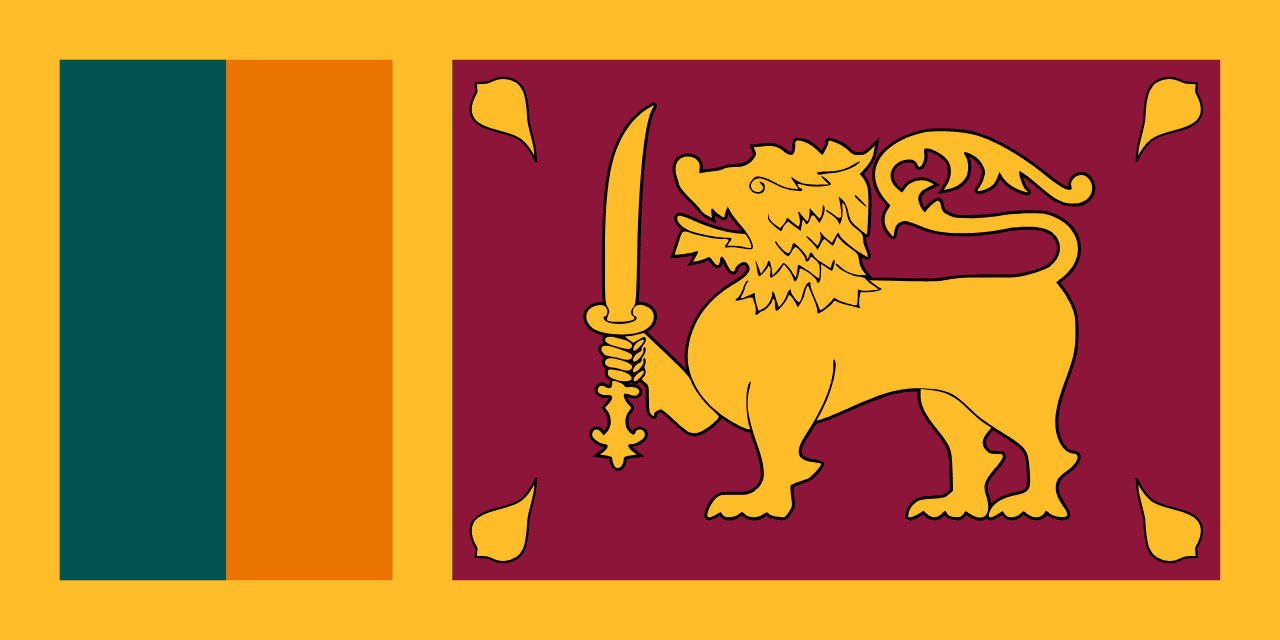
The official national sport of Sri Lanka is volleyball, which was formally designated by the government in 1991. While cricket dominates headlines and captures the public imagination, it is volleyball that holds the constitutional title of national sport, chosen for its accessibility, low cost, and presence in schools and villages across the island.
Why Volleyball Was Chosen
The decision to name volleyball the national sport in 1991 was rooted in practicality and reach rather than international glory. Volleyball requires minimal equipment — a net, a ball, and a flat patch of ground — which makes it playable almost anywhere, from rural paddy-field clearings to urban school yards. This universality meant the game already had deep roots in communities long before its official designation.
Government officials reasoned that a national sport should reflect everyday participation by ordinary citizens rather than the success of a small professional elite. Volleyball fit this vision: it is played by men, women, and children in nearly every district, often informally after work or school. The sport's affordability also made it ideal for a developing nation seeking to encourage mass physical activity and community recreation.
Cricket: The Most Popular Sport
Despite volleyball's official status, cricket is by far the most followed and most successful sport in Sri Lanka. The national cricket team is a genuine global powerhouse, and the game commands enormous television audiences and emotional investment. Few countries display such a clear gap between their designated national sport and their de facto sporting passion.
Sri Lanka has won three of the four major International Cricket Council global tournaments at least once. The crowning moment came in 1996, when the team captured the Cricket World Cup with an attacking style that reshaped the one-day game. Later triumphs followed, including victory in the ICC T20 World Cup in 2014. These successes turned cricketers into national heroes and made the sport an inseparable part of Sri Lankan identity.
Legends of Sri Lankan Sport
No discussion of Sri Lankan sport is complete without Muttiah Muralitharan, the most prolific bowler in cricket history. He claimed 800 wickets in Test cricket — roughly 92 more than the next-highest total ever recorded — a margin so large it may never be surpassed. His distinctive spinning action, performed with a permanently bent elbow caused by a congenital condition, was tested repeatedly and cleared by cricket authorities, fueling years of debate and admiration in equal measure.
Alongside Muralitharan, batting greats and dynamic all-rounders built a golden generation that dominated world cricket in the late 1990s and 2000s. Their achievements gave a relatively small island nation a sporting reputation that punched far above its size and population of roughly 23.3 million people.
Volleyball in Sri Lankan Life
While cricket grabs international attention, volleyball remains woven into daily life. It is a fixture of the school physical education curriculum and a common sight at workplaces, military bases, and community festivals. National and provincial championships are organized regularly, and the sport enjoys a steady, grassroots following even though it does not generate the wealth or media coverage that cricket does.
Sri Lankan volleyball at the professional level remains largely amateur, with most players competing for the love of the game rather than for lucrative contracts. This amateur character is, in a sense, exactly what the 1991 designation intended to celebrate: a sport that belongs to the people rather than to professionals. Sri Lanka has also competed in regional volleyball tournaments, where it has historically been a respectable competitor in South and Southeast Asian events.
Sri Lanka at a Glance
- Official national sport: Volleyball (designated 1991)
- Most popular sport: Cricket
- Capital: Sri Jayawardenepura Kotte
- Continent: Asia (South Asia)
- Population: approximately 23.3 million
For a fuller picture of the island's geography, climate, economy, and culture, see the sri lanka country guide.
Frequently Asked Questions
What is the national sport of Sri Lanka?
The official national sport of Sri Lanka is volleyball. It was formally declared the national sport by the government in 1991, chosen for its broad accessibility and presence in communities across the island.
Why is volleyball the national sport rather than cricket?
Volleyball was selected because it is inexpensive, easy to play almost anywhere, and widely practiced by ordinary people in schools and villages. Cricket, though far more popular and internationally successful, was not given the official designation.
Is cricket more popular than volleyball in Sri Lanka?
Yes. Cricket is overwhelmingly the most popular and most successful sport in Sri Lanka, drawing huge audiences and national pride. Volleyball holds the official title, but cricket dominates the country's sporting culture.
What continent is Sri Lanka on?
Sri Lanka is located on the continent of Asia, specifically within the South Asia region, as an island nation in the Indian Ocean south of India.
