

The main religion in Italy is Roman Catholicism (80%). Other significant religions include Islam (3.7%), Eastern Orthodoxy (1.5%), and Protestantism (1%). Italy has a population of 59 million, of which about 47 million identify as Catholic. Italy is home to Vatican City, the seat of the Pope.
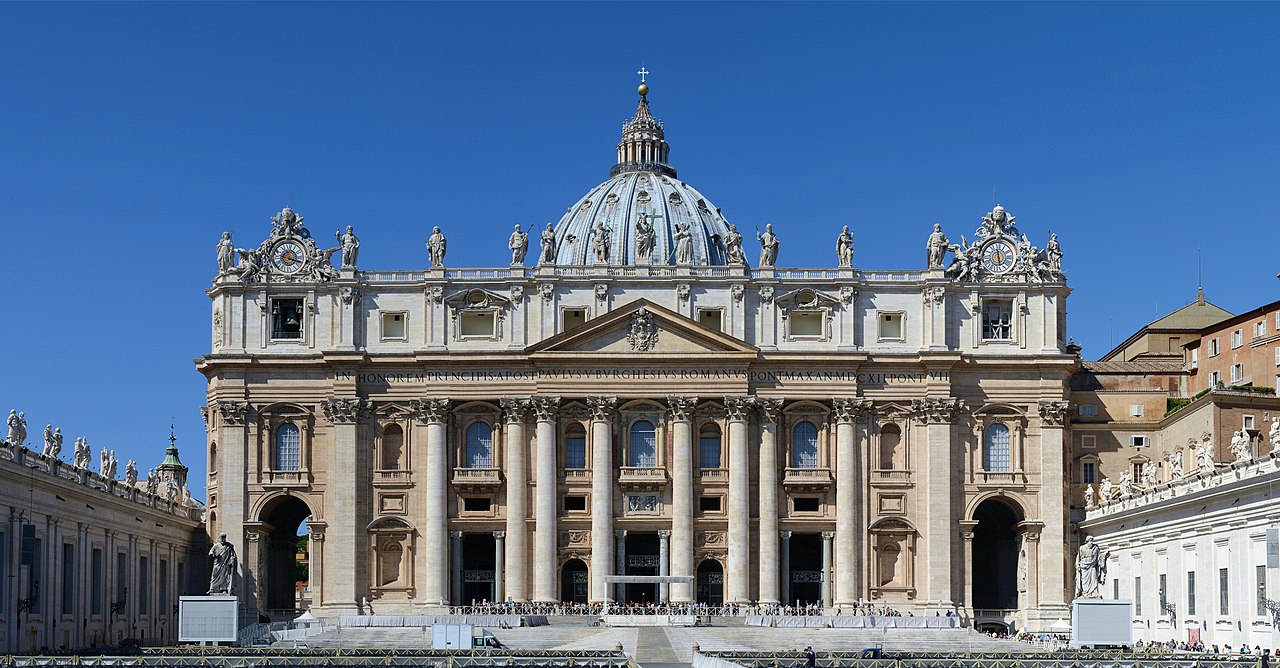
Major Religions & Demographics
| Religion | Percentage |
|---|---|
| Roman Catholicism | 80% |
| Non-religious | 12% |
| Islam | 3.7% |
| Eastern Orthodoxy | 1.5% |
| Protestantism | 1% |
| Other | 1.8% |
Italy is overwhelmingly Catholic, with approximately 80% of the population identifying as Roman Catholic. However, regular Mass attendance has declined significantly — only about 20-25% attend weekly services. Italy uniquely contains Vatican City, an independent city-state that serves as the headquarters of the worldwide Catholic Church.
Islam is the second-largest religion at about 3.7% (approximately 2.2 million), driven by immigration from North Africa and South Asia. Eastern Orthodox Christianity accounts for about 1.5%, mainly among Romanian and Ukrainian immigrants. Protestantism is practiced by about 1%. Approximately 12% identify as non-religious.
History of Religion
Italy has been the center of Western Christianity for nearly two millennia. Rome was the seat of the early Christian church, and the papacy has been based in Rome (with brief interruptions) since St. Peter. The Roman Empire's adoption of Christianity in the 4th century transformed it from a persecuted faith to the dominant religion of Europe.
Italy produced some of Christianity's most important figures, including St. Francis of Assisi, St. Thomas Aquinas, and St. Catherine of Siena. The Counter-Reformation was largely directed from Rome. The Lateran Treaty of 1929 established Vatican City as an independent state and recognized Catholicism's special role in Italy. The 1984 revision of this concordat ended Catholicism's status as the state religion.
Religious Sites & Landmarks
St. Peter's Basilica in Vatican City is the world's largest church and the spiritual heart of Catholicism. The Sistine Chapel, with Michelangelo's ceiling and Last Judgment, is perhaps the most famous religious artwork in existence. The Vatican Museums house an unparalleled collection of religious art and artifacts.
The Basilica of St. Francis in Assisi, the Cathedral of Milan (Duomo), and the Cathedral of Florence with Brunelleschi's dome are architectural masterpieces. The Catacombs of Rome preserve early Christian burial sites. San Giovanni in Laterano is actually the Pope's cathedral as Bishop of Rome, predating St. Peter's.
Religion in Daily Life
Catholic traditions permeate Italian daily life. Each town has its patron saint celebrated with festivals (festa patronale) featuring processions, fireworks, and feasting. The Angelus bell rings at noon across the country. Religious imagery is ubiquitous in homes, shops, and public spaces. Baptism, First Communion, and religious weddings remain culturally important even among non-practicing Catholics.
Italy celebrates numerous religious public holidays including Easter Monday, All Saints' Day, the Assumption of Mary (Ferragosto, August 15), and the Feast of the Immaculate Conception (December 8). The Vatican's presence means papal audiences, canonizations, and Catholic events regularly make national news. Italian cuisine itself reflects religious traditions — fish on Fridays, special Easter and Christmas foods, and regional saint's day dishes.
Test Your Geography Knowledge!
Think you know your world geography? Try our interactive quizzes!
Play Geography Games →