
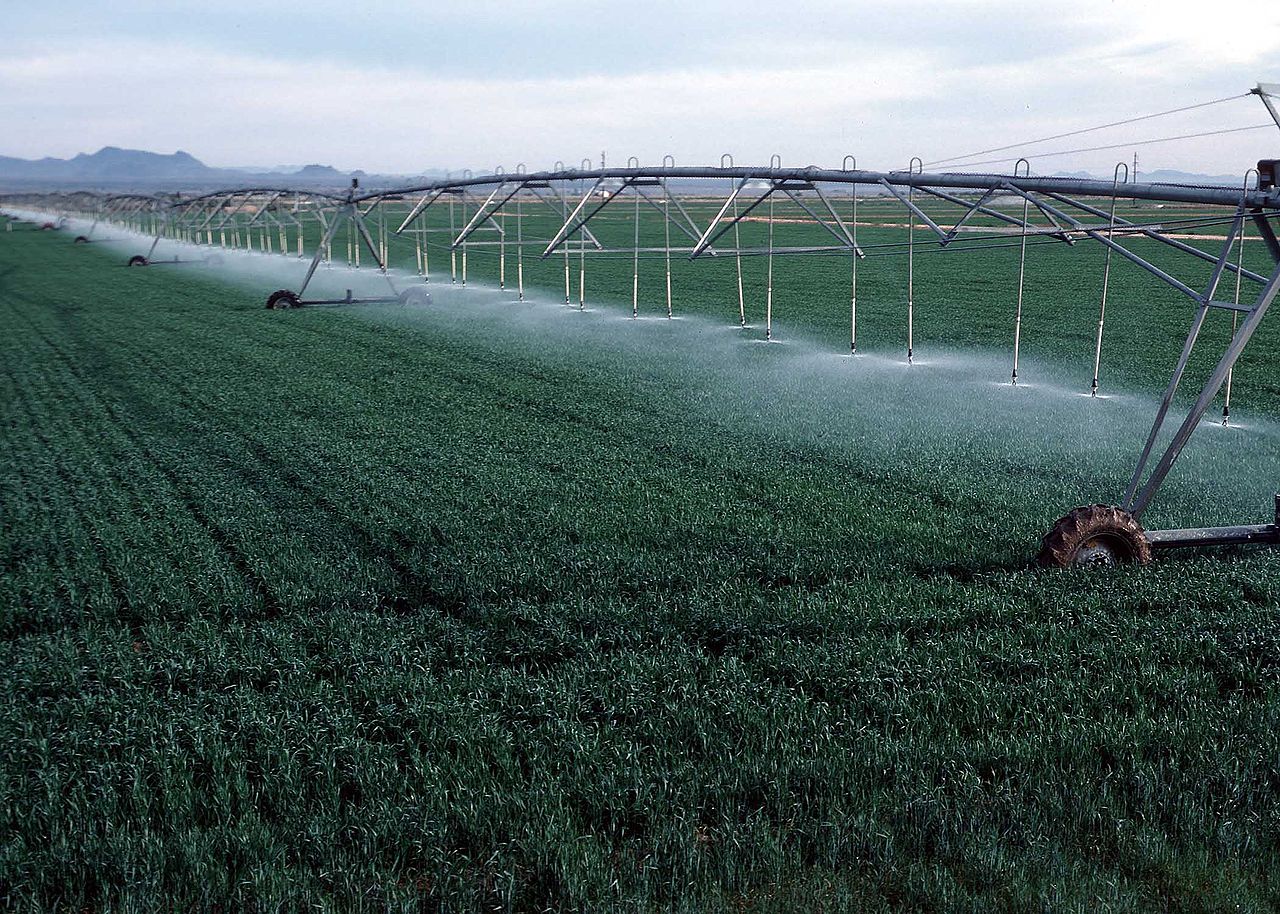
Despite rapid urbanization, 3.4 billion people — 43% of humanity — still live in rural areas. In many countries across Sub-Saharan Africa, South Asia, and the Pacific Islands, the majority of the population lives outside cities.
Introduction
Rural populations face distinct challenges: limited access to healthcare and education, dependence on rain-fed agriculture, poor road connectivity, and vulnerability to climate change. Yet rural areas produce most of the world's food and steward most of its natural resources.

1. Burundi
- Rural Population: 87%
- Total Population: 13 million
- Main Livelihood: Subsistence farming
- Arable Land Use: 80% of surface area
Burundi is one of the most rural countries on Earth, with 87% of its population living in the countryside. Nearly everyone farms, mostly at subsistence level, growing beans, bananas, cassava, and sweet potatoes on tiny plots averaging 0.5 hectares.
Burundi is also the world's poorest country by GDP per capita ($240). Rural residents have limited access to electricity (7% coverage), clean water (50%), and paved roads. The capital Bujumbura has just 1.1 million people in a country of 13 million.
2. Papua New Guinea
- Rural Population: 87%
- Total Population: 10.3 million
- Languages: 840+
- Terrain: Mountainous, forested
Papua New Guinea is one of the most rural and linguistically diverse nations on Earth. Its 840+ languages — more than any other country — reflect centuries of isolated mountain communities that had little contact with each other.
The rugged terrain makes road building almost impossible. There is no road connecting the two largest cities (Port Moresby and Lae), and most rural communities are accessible only by small plane, boat, or days-long jungle trek. Over 80% of the population practices subsistence farming.
3. Niger
- Rural Population: 83%
- Total Population: 27 million
- Main Challenge: Desertification
- Food Insecurity: Over 40% of population
Niger is the largest country in West Africa but 80% of its territory is Sahara Desert. The remaining arable south is home to nearly all 27 million Nigeriens, most of whom are subsistence farmers and herders.
Niger faces a cruel demographic paradox: it has the world's highest fertility rate (6.7 children per woman) but some of the world's poorest farmland. Desertification is consuming arable land at a rate of 200,000 hectares per year, pushing farmers toward cities and creating food insecurity for 40% of the population.
4. India
- Rural Population: 64%
- Rural Residents: 910 million
- Number of Villages: 640,000+
- Agricultural Workers: 42% of labor force
India has the world's largest rural population in absolute terms: 910 million people living in over 640,000 villages. Despite rapid urbanization, India remains a predominantly rural country where agriculture employs 42% of the workforce.
Rural India faces significant challenges: farmer suicides driven by debt and crop failure, inadequate healthcare (one doctor per 10,000 rural residents vs. one per 850 in cities), and youth migration leaving villages populated by the elderly. The government's digital connectivity programs have brought mobile internet to 600,000 villages.
5. Ethiopia
- Rural Population: 78%
- Total Population: 126 million
- Main Crops: Coffee, teff, maize
- Urbanization Rate: 5.4% per year
Ethiopia is Africa's second most populous country and one of its most rural. The Ethiopian highlands are home to one of the world's oldest continuous agricultural civilizations, growing teff (the grain used for injera bread) for over 3,000 years.
Ethiopia is urbanizing rapidly — at 5.4% per year, one of the fastest rates in the world. Addis Ababa has grown from 2 million to 6 million in two decades. But 78% of Ethiopians still live in rural areas, and coffee farming supports 15 million households.
Key Facts
- 3.4 billion people (43% of humanity) live in rural areas
- Burundi and Papua New Guinea are the most rural countries (87%)
- India has 910 million rural residents — more than any country
- 70% of the world's extreme poor live in rural areas
- Rural areas produce 80% of the world's food supply
Fun Facts
- Papua New Guinea has 840 languages for 10.3 million people — one language per 12,000 residents
- In Bhutan, 61% of the population is rural, yet the country measures "Gross National Happiness" instead of GDP
- Over 600 million people in Sub-Saharan Africa lack access to electricity, mostly in rural areas
- China moved 300 million people from rural to urban areas in 30 years — the largest migration in history
Final Thoughts
Rural populations are the foundation of global food security and environmental stewardship. While the world urbanizes rapidly, billions still depend on farming, fishing, and herding for their livelihoods. Investing in rural infrastructure, education, and climate resilience is essential to ensuring that the transition to urban life is voluntary, not forced by poverty and environmental collapse.
Test Your Knowledge!
Think you know your population and demographics? Try our interactive quiz!
Play Geographic Features Quiz →