
Perched high in the mountains of Southern Africa, Lesotho is a tiny kingdom that punches far above its weight in drama and distinction. It is one of only three countries on Earth completely surrounded by a single other nation, and its sky-high terrain has earned it a poetic nickname you will not forget. Get ready to discover why this "Kingdom in the Sky" is one of the most surprising places on the planet.
1. It Is Completely Surrounded by South Africa
Lesotho holds a rare geographic distinction: it is an enclaved country, meaning it is entirely encircled by just one other nation. Drive in any direction long enough and you will cross into South Africa, which wraps around Lesotho on all sides. Only three countries in the world share this peculiar status, the others being San Marino and Vatican City, both surrounded by Italy. This total enclavement has shaped everything from Lesotho's trade and currency to its labor migration, since for generations Basotho men crossed the border to work in South African mines. To understand how this unusual setting defines the nation, explore our detailed country guide.
2. It Has the Highest "Lowest Point" of Any Country
Most countries have a lowest point at or near sea level. Lesotho is different. Its lowest elevation sits at roughly 1,400 meters (about 4,600 feet) above sea level, the highest low point of any nation on Earth. The entire country lies above 1,000 meters, which is why Lesotho is affectionately called the "Kingdom in the Sky." This lofty geography means that even the warm Southern African sun cannot stop snow from blanketing its peaks. Lesotho is one of the few places in Southern Africa where you can go skiing, with Afriski resort drawing winter sports enthusiasts to the slopes of the Maloti Mountains.
3. The Maloti Mountains and the Mighty Drakensberg
Lesotho's landscape is dominated by rugged highlands, including the Maloti Mountains and the towering Drakensberg range along its eastern edge. The country's highest peak, Thabana Ntlenyana, rises to 3,482 meters (11,424 feet), making it the tallest mountain in Southern Africa. These mountains are more than scenery, they are a crucial water source for the entire region. The dramatic basalt cliffs, deep gorges, and high plateaus give Lesotho a wild, otherworldly beauty that pony trekkers and hikers travel far to experience. Few small countries can boast such consistently spectacular alpine terrain.
4. Maseru, the Capital on the Border
Lesotho's capital and largest city is Maseru, home to several hundred thousand residents. Founded in 1869 as a small police camp, Maseru sits right on the Caledon River, which forms the border with South Africa. This frontier location makes it an unusual capital, with the country's busiest border crossing connecting it directly to the South African town of Ladybrand. Maseru serves as the seat of government, the heart of commerce, and the cultural center of the kingdom. Its name comes from the Sesotho word for "the place of red sandstone," a nod to the rosy stone used in many of its older buildings.
5. A Kingdom with a King
Lesotho is a constitutional monarchy, one of only three remaining kingdoms in Africa alongside Morocco and Eswatini. The current monarch, King Letsie III, serves largely as a ceremonial head of state, while a prime minister leads the government. The nation traces its founding to the legendary King Moshoeshoe I, who in the 1820s united various clans fleeing the violence of the Mfecane wars and built a mountain stronghold at Thaba Bosiu. His diplomatic genius in defending his people earned Lesotho, then called Basutoland, lasting respect. The monarchy remains a powerful symbol of national unity and Basotho identity today.
6. The Iconic Basotho Blanket and Mokorotlo Hat
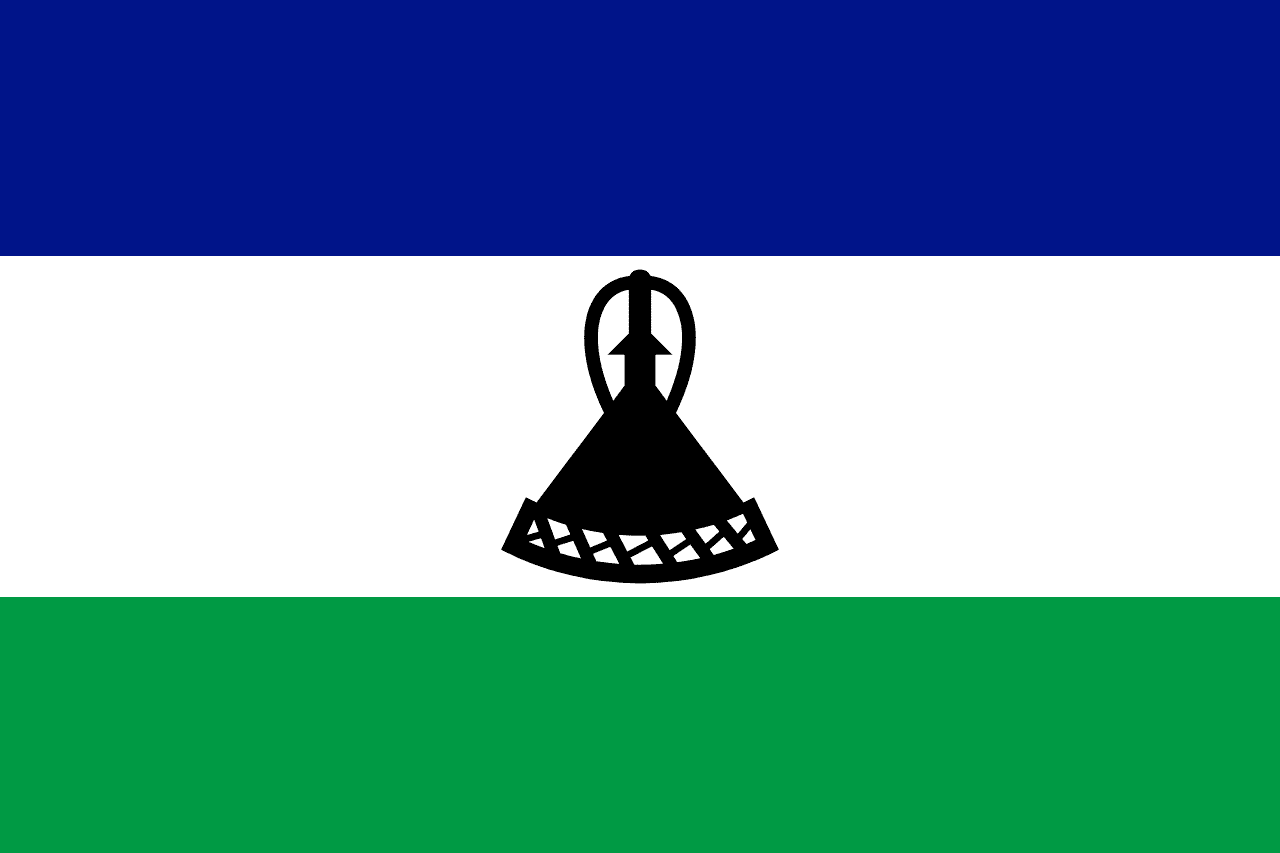
No symbol captures Lesotho's culture like the colorful Basotho blanket. Worn draped over the shoulders against the mountain chill, these heavy wool blankets are far more than clothing, they are markers of status, identity, and life milestones, given at weddings, births, and coronations. Each pattern carries meaning. Equally iconic is the mokorotlo, the conical straw hat shaped like a mountain peak, which appears on the national flag and is considered the emblem of the nation. Together, the blanket and hat are instantly recognizable expressions of Basotho heritage, proudly worn at celebrations and woven into everyday mountain life.
7. A Proudly Sesotho-Speaking Nation
Lesotho has two official languages: Sesotho and English. Unlike many African nations with dozens of competing tongues, Lesotho is remarkably unified linguistically, as the vast majority of its people are ethnic Basotho who share the Sesotho language. This linguistic cohesion gives the country a strong, singular cultural identity. English is widely used in government, business, and education, a legacy of the British colonial era. The shared language is a source of pride and helps explain the deep sense of national togetherness that holds this small mountain kingdom together. Curious about its national emblems? See the story behind the country's flag.
8. Water Is Its "White Gold"
Lesotho may be small and poor in many resources, but it is extraordinarily rich in one: water. Thanks to its high mountains and heavy rainfall, the country exports water to its thirsty neighbor through the massive Lesotho Highlands Water Project, one of the largest engineering schemes in Africa. Enormous dams, including the Katse and Mohale dams, capture mountain runoff and channel it to South Africa's industrial Gauteng region. This "white gold" is a vital source of national income and also generates hydroelectric power for Lesotho itself. It is a striking example of how a landlocked nation turned its rugged geography into a genuine economic asset.
9. Sotho Pony Trekking and Hearty Mountain Food
The sure-footed Basotho pony is a national treasure, bred over centuries to navigate steep, rocky mountain trails. For many rural communities, these hardy ponies remain an essential mode of transport, and pony trekking has become a signature tourist experience, letting visitors reach remote villages and waterfalls no vehicle could access. When the day's ride ends, Basotho cuisine warms the body with staples like papa, a stiff maize porridge, served with moroho (cooked leafy greens) and meat stews. Hearty, simple, and filling, this food is perfectly suited to the cold mountain climate where a warm communal meal is always welcome.
10. Maletsunyane Falls and a Land of Dinosaurs
Lesotho hides some breathtaking natural wonders. The Maletsunyane Falls plunge a dramatic 192 meters (630 feet) in a single drop near the town of Semonkong, whose name means "place of smoke" after the mist the falls create. The site hosts what is billed as one of the world's longest commercial abseils. Even more astonishing, Lesotho's ancient rock holds genuine dinosaur footprints, with well-preserved trackways visible at sites like Quthing, alongside thousands of San rock paintings tucked into caves and overhangs. This combination of prehistoric fossils, ancient art, and thundering waterfalls makes the kingdom a quiet treasure trove for the adventurous traveler.
Frequently Asked Questions
What is the capital of Lesotho?
The capital of Lesotho is Maseru, located on the western border with South Africa along the Caledon River. It is the country's largest city and serves as its political, commercial, and cultural hub. Founded in 1869, its name means "the place of red sandstone."
What is Lesotho famous for?
Lesotho is best known as the "Kingdom in the Sky," the only independent country that lies entirely above 1,000 meters in elevation. It is famous for being completely surrounded by South Africa, for its colorful Basotho blankets and conical mokorotlo hats, its mountain pony trekking, and for exporting water through the Lesotho Highlands Water Project.
Can you really ski in Lesotho?
Yes! Despite sitting in warm Southern Africa, Lesotho's high altitude means snow regularly falls on its peaks in winter. The Afriski Mountain Resort in the Maloti Mountains offers skiing and snowboarding from roughly June to August, making Lesotho one of only a handful of African countries with a genuine ski destination.
Conclusion
Lesotho proves that the smallest places can hold the biggest surprises. From its sky-high mountains and snow-dusted ski slopes to its proud monarchy, iconic blankets, and even ancient dinosaur footprints, this enclaved kingdom is a world unto itself. The next time someone mentions a "Kingdom in the Sky," you will know exactly where to point on the map, and you will have ten fascinating reasons to want to visit.
