
The 5 main types of settlements are: isolated/dispersed (single farms or houses), rural villages (small agricultural communities), towns (larger than villages with more services), cities/urban areas (dense population centers), and megalopolises (merged metropolitan areas). Settlements are classified by population size, density, and economic function.
Settlements range from isolated farmsteads to massive megacities. They are classified by size, function, population density, and economic activity into rural, urban, suburban, and other types.

Dispersed (Isolated) Settlements
Dispersed settlements consist of isolated individual buildings (farms, houses) scattered across the landscape with no central nucleus. They are common in agricultural areas where each family lives on their own land. Services like schools and shops may be located in a distant village or town.
How it forms: Develop where agriculture or resource extraction requires families to live on widely spaced land holdings. Common in frontier, pastoral, and low-density agricultural regions.
Examples: Australian outback farms, American Midwest homesteads, Scandinavian rural areas
Rural Villages
Rural villages are small, compact settlements where people live close together, typically engaged in farming, fishing, or forestry. They usually have basic services (school, place of worship, general store). Village populations range from a few dozen to several thousand. Most humans lived in villages until the industrial revolution.
How it forms: People cluster together for security, social interaction, and shared resources. Villages often develop near water sources, crossroads, or productive farmland.
Examples: Traditional villages across Africa, Asia, Europe; farming communities, fishing villages
Towns
Towns are larger than villages, with populations typically ranging from a few thousand to tens of thousands. They serve as service centers for surrounding rural areas, offering markets, schools, hospitals, and local government. Towns often developed around a specific function — market, mining, transport hub, or military post.
How it forms: Grow from villages that develop a specific function (trade, administration, mining) or occupy a strategic location (river crossing, road junction, harbor).
Examples: Market towns in England, county seats in the USA, mining towns in Australia
Cities (Urban Areas)
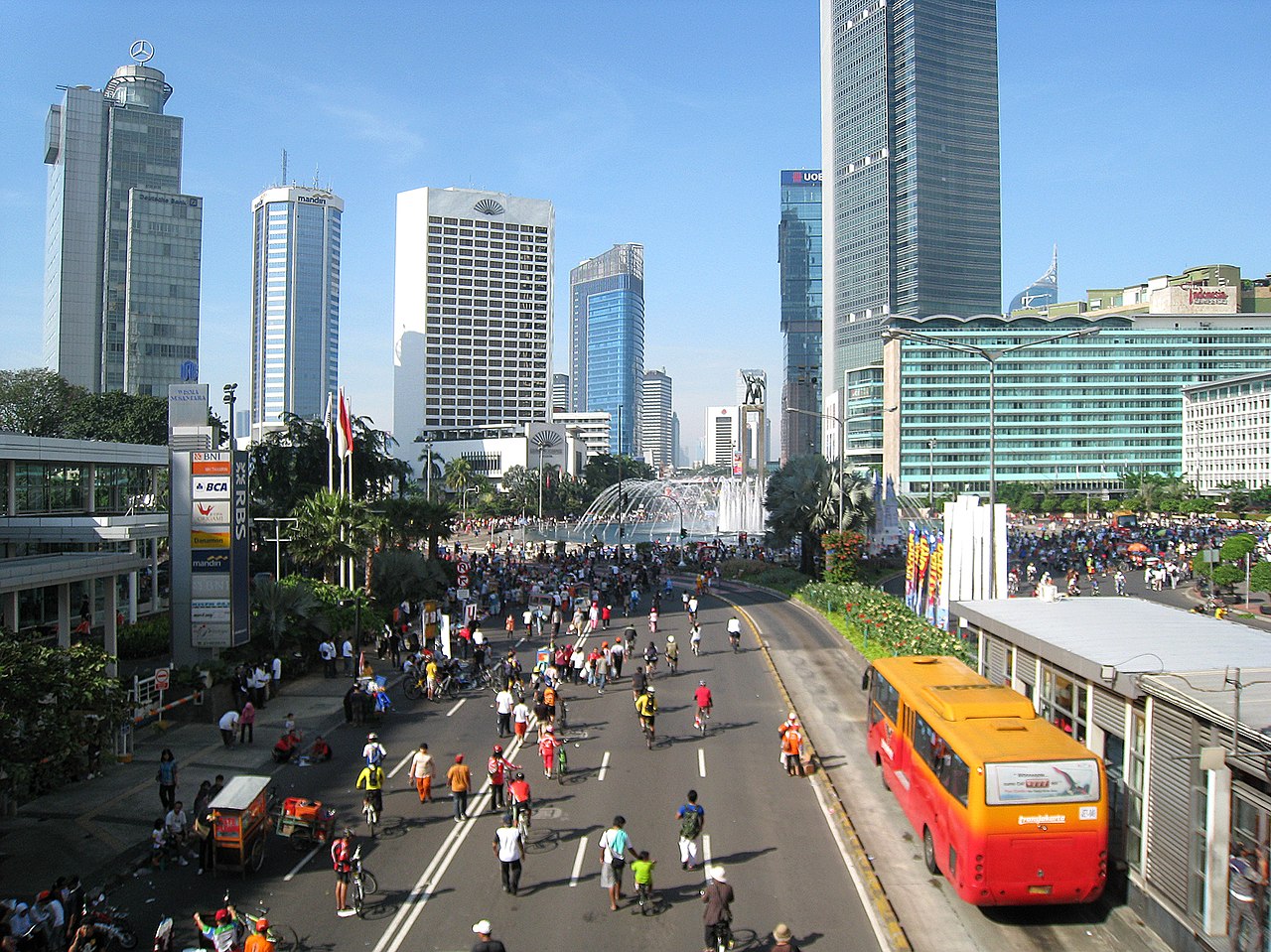
Cities are large, densely populated settlements with diverse economic activities including manufacturing, services, administration, education, and culture. They have complex infrastructure — transportation networks, utilities, hospitals, universities. Over 56% of the world's population now lives in urban areas, projected to reach 68% by 2050.
How it forms: Grow due to economic opportunity, rural-to-urban migration, natural population increase, and agglomeration effects (businesses attract more businesses). Major cities often developed at strategic locations — river mouths, natural harbors, or trade route intersections.
Examples: New York, London, Tokyo, Mumbai, São Paulo, Lagos
Megalopolises (Conurbations)
A megalopolis is a chain of metropolitan areas that have grown together into a continuous urban region. The term was coined by Jean Gottmann in 1961 for the Boston-Washington corridor. Megalopolises represent the most extreme form of urbanization, with populations often exceeding 50 million.
How it forms: Adjacent cities expand until their suburbs merge into a continuous built-up area. Driven by transportation networks, economic integration, and population growth.
Examples: BosWash (Boston to Washington DC), Pearl River Delta (China), Tokyo-Osaka corridor (Japan), Great Lakes Megalopolis
Key Facts
- More than 56% of the world's population lives in urban areas (2024).
- The world's largest city by population is Tokyo metropolitan area (about 37 million).
- By 2050, about 68% of the world's population will live in cities.
- There are currently 33 megacities (cities with over 10 million people).
Fun Facts
- Kowloon Walled City in Hong Kong was once the densest settlement in history, with 33,000 people in just 0.026 km².
- The oldest continuously inhabited city is disputed — Damascus, Aleppo, and Jericho all claim the title.
- Luxembourg is both a city and a country.
Summary
Settlement types reflect humanity's social, economic, and environmental needs. Understanding how settlements form and grow helps planners create more sustainable, livable communities for an increasingly urban world.
Test Your Geography Knowledge!
Think you know your geographic features? Try our interactive quizzes!
Play Geography Games →